Pest Entry at the Roofline
Birds, squirrels and insects don't force their way in — they find the gaps. At the roofline, those gaps usually mean water got there first. Here's how to spot and stop them.
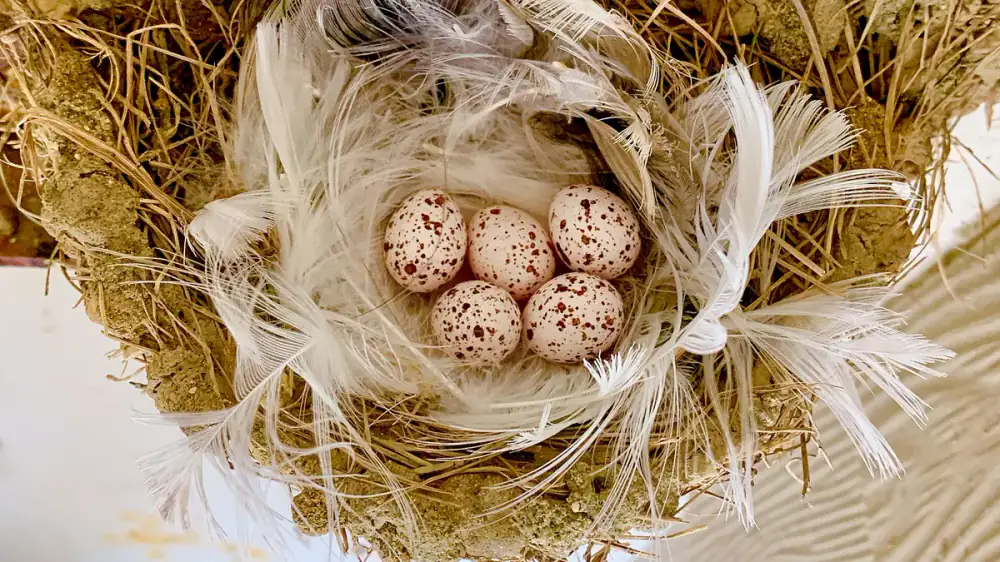
Pests reach the inside of a house through gaps where the fascia, soffit and roof edge stop meeting tightly — openings that warping, damage, poor fit, and above all rot quietly create. Birds, squirrels and rodents slip through small holes; insects need almost none. And because the very moisture that rots the wood also softens it and draws pests in, a decayed roof edge ends up being both an open door and an inviting place to settle. Catch the gaps early, and leave wildlife removal and any height work to professionals.
Animals and insects almost never break into a house. They find the way that's already open — and at the roofline, the way in is usually a gap that opened so gradually nobody noticed. A soffit panel that warped, a strip of trim that pulled loose, a corner where rot chewed through the wood: to a squirrel or a wasp, that's not damage, it's a doorway. Once inside the overhang or the attic, pests are stubborn to evict and can do real harm to wood and wiring while they stay.
The encouraging part is that most roofline entry points give themselves away if you know the tells, and nearly all of the checking can be done safely with both feet on the ground. This guide covers how the gaps form, why rot makes everything worse, which pests exploit which openings, what you can safely inspect yourself, and when to hand the problem to a professional.
How the roof edge loses its seal
The roof edge is an assembly of parts — fascia, soffit, drip edge, trim — meant to fit together tightly enough to keep both weather and animals out. Trouble starts when that tight fit breaks down, and it breaks down in a handful of familiar ways:
- Warping and movement. Wood and trim expand, contract, and warp with heat and moisture, slowly prying open seams that were once snug.
- Rot and decay. Softened, crumbling wood loses its shape and its strength, leaving holes and weak spots that pests can push through or chew wider.
- Damaged or missing vents. Soffit vents are supposed to let air in and keep pests out; when the screening or louvers break, they become ready-made entrances.
- Lifted or bent drip edge and flashing. Metal that has pulled away from the roof edge leaves a slot right at the top of the fascia.
- Poor original fit or aging trim. Older or hastily installed trim may never have sealed well, and its joints loosen further as fasteners age.
Every one of these produces the small, sheltered opening that pests are built to find.
Why rot is both the door and the lure
Rot doesn't merely open the wood — it advertises the opening, and the relationship runs in both directions:
- Rot opens the barrier. Sound fascia and soffit are a solid wall to a pest. Once decay softens them, that wall becomes something to chew, push through, or nest inside.
- Moisture attracts pests. Carpenter ants, termites, and wood-boring insects are specifically drawn to damp, softened wood. The same water that caused the rot is what makes the site appealing.
- Shelter and warmth. The overhang and attic behind the roof edge are dry, sheltered, and often warm — prime nesting territory the moment a way in exists.
This is why pest activity at the roofline and moisture damage so reliably turn up together: find one and you should go looking for the other. A good deal of understanding why pests got in comes down to understanding what causes fascia rot in the first place.
Who moves in, and what they do
Different pests exploit different openings, and it helps to know the cast:
- Birds nest in soffit vents, behind loose panels, and in gaps at the eave, leaving droppings and nesting material behind.
- Squirrels and rodents enter through startlingly small openings and chew to enlarge them, then nest in the attic and gnaw at wood and wiring.
- Wasps and hornets build in sheltered eave corners and behind soffits.
- Carpenter ants and wood-boring insects target damp, decayed wood and tunnel into it, deepening the damage as they go.
- Bats can use very narrow gaps at the roof edge and require specialized, legally careful handling.
What you can check from the ground
You can learn a great deal without leaving the ground or using more than a stable step. Walk the perimeter and look up along the entire roof edge for visible gaps, holes, and damage. Bring binoculars to inspect soffit vents, eave corners, and the fascia line closely from below. Watch for activity at dawn and dusk, when many animals come and go, and note exactly where they enter. Check the ground beneath the eaves for droppings, feathers, nesting debris, or the sawdust-like frass that wood-boring insects leave. Look for staining and sagging that hints at rot behind the trim, and listen near the eaves — and from inside the attic — for movement.
Reading those signs together tells you most of what you need. Droppings on the ground, walls, or windowsills below the eave; nesting material poking from gaps or vents; scratching or scurrying overhead at dawn or dusk; chewed or enlarged openings in the soffit or fascia; repeated animal traffic to one spot; insect trails or frass near the eave; and stained, sagging, or damaged trim all point the same direction. Seeing several at once strongly suggests something has already moved in.
What you should not do is climb to any height to investigate, poke into an active nest, or try to remove or trap wildlife yourself. Chasing a pest problem up a ladder at the roof edge is exactly the kind of avoidable risk that turns a nuisance into an injury, and for many species, handling the animals carries legal consequences on top of the safety ones. There are also two tempting shortcuts worth naming so you can skip them: sealing a gap before checking that nothing is living inside — which can trap young animals and create a far worse mess — and closing an opening without repairing the rot or the moisture behind it, which only hides a wall that keeps failing and opening fresh gaps for the next tenant.
Getting the right help
Roofline pest problems usually call for two kinds of help, and sometimes both at once. Bring in a pest-control or wildlife specialist for any active infestation, nest, or animal; they can remove or exclude pests safely and within the law, which is not something to attempt at height or by hand. Bring in a roofing or trim professional to repair the rotted or damaged fascia, soffit, and roof-edge wood and to close the openings correctly — ideally after fixing the moisture that caused the decay. Doing only half the job — evicting the pest but leaving the gap, or sealing the gap but leaving the rot — usually means they simply come back. If the wood at your roof edge already feels soft or crumbling, see our guide to when fascia needs replacement to gauge the scope of the repair ahead.
Frequently asked questions
How do pests get in at the roofline?
Through gaps. Where the fascia, soffit and roof edge don't meet tightly — because of warping, rot, damage or a poor original fit — small openings appear. Birds and squirrels squeeze through surprisingly small gaps, and insects need almost none. Damaged or missing soffit vents, lifted drip edge, and separated trim all create the openings pests look for.
Why does rot at the roof edge invite pests?
Two reasons. First, rot softens and opens the wood, turning a solid barrier into something pests can push through, chew or nest in. Second, the same moisture that causes rot attracts pests like carpenter ants and wood-boring insects that favor damp, softened wood. So a rotted roof edge is both an open door and an attractive destination.
What are the signs of pests at the roofline?
Look and listen for droppings on the ground or walls below the eave, nesting material poking from gaps, scratching or scurrying sounds in the attic or overhang, chewed or enlarged openings in the soffit or fascia, insect activity around the roof edge, and stained or damaged trim. Repeated animal traffic to one spot on the eave is a strong clue.
Can I seal roofline gaps myself?
Small, easily reachable gaps in sound material can sometimes be sealed as basic maintenance — but only after you're sure nothing is living inside, since sealing an animal in creates a worse problem. Anything involving height, active nests, decayed wood, or wildlife is a job for professionals. Never remove or trap wildlife yourself, and don't work at height to chase a pest problem.
Should I just block the gap to keep pests out?
Not before checking that no animal is inside and not without fixing why the gap is there. Sealing over a nest can trap young animals, and blocking a gap without addressing the underlying rot or damage only hides the problem. The lasting fix is to repair the wood and close the opening properly, which often means addressing the moisture source too.
When should I call a professional?
Call a pest-control specialist for active infestations, nests, or any wildlife, and never attempt removal at height yourself. Call a roofing or trim professional to repair rotted or damaged fascia, soffit and roof-edge wood and to close the gaps correctly. Often both are needed — remove the pests, then fix the opening and the moisture that created it.
Keep reading
How Gutters Damage Fascia When They Overflow
Overflow sends water onto and behind the fascia, rotting the board and loosening hangers — then the gutter sags and overflows more. Here's the cascade and how to stop it.
Signs Soffits Have Moisture Damage
Staining, sagging, peeling paint, pests and mold under the eaves all signal soffit moisture damage. Here's what causes it and when to call a pro.
Water Stains Below the Roof Edge
Stains under the eave are a map of misdirected water — overflow, water behind the gutter, drip edge trouble, ice dams or condensation. Here's how to read them.