Gutters
How Trees Affect Gutter Maintenance
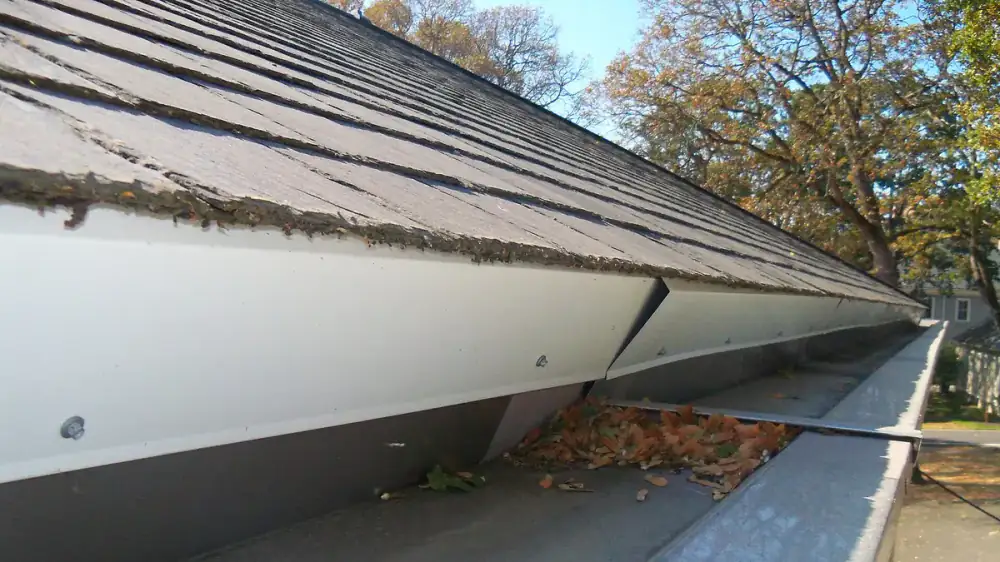
Leaves, pine needles, seed pods and shade each create a different gutter problem. Here's how tree cover reshapes your maintenance schedule.
Category
Gutters and downspouts move roof runoff away from the fascia, siding and foundation. When they clog, sag or pull loose, water finds the parts of the house it was meant to avoid. This section covers cleaning, inspection, common failures, materials and seasonal care.
Leaves, pine needles, seed pods and shade each create a different gutter problem. Here's how tree cover reshapes your maintenance schedule.
A missing drip edge, a gutter hung too low, or an overflowing clog — these three causes explain most water that ends up behind the gutter.
Sagging runs, leaking seams, loose hangers and standing water are repair problems, not cleaning problems. Here's how to tell them apart.
Twice a year is the common answer — but tree cover, roof pitch and climate matter more than the calendar. Here's how to judge your home's real schedule.
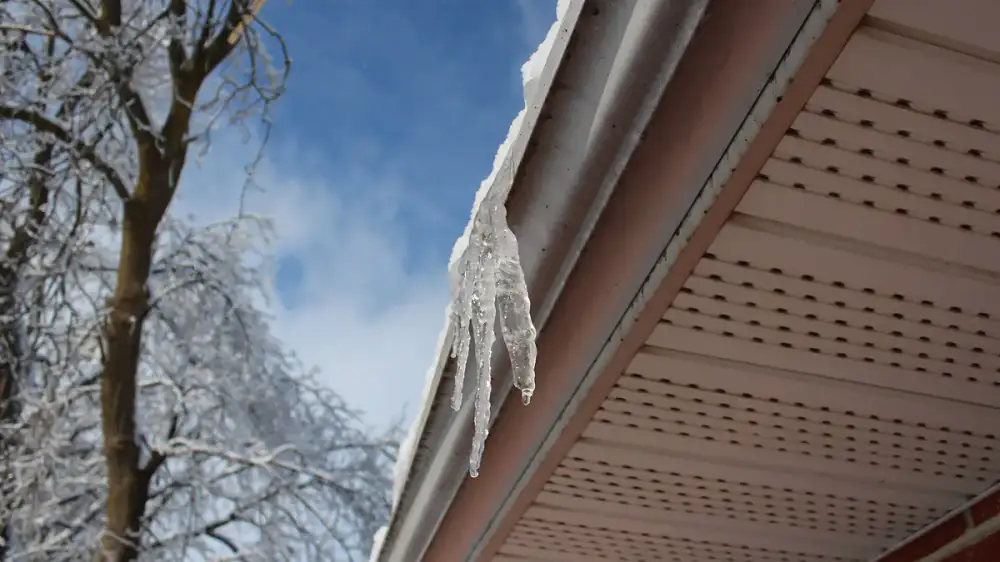
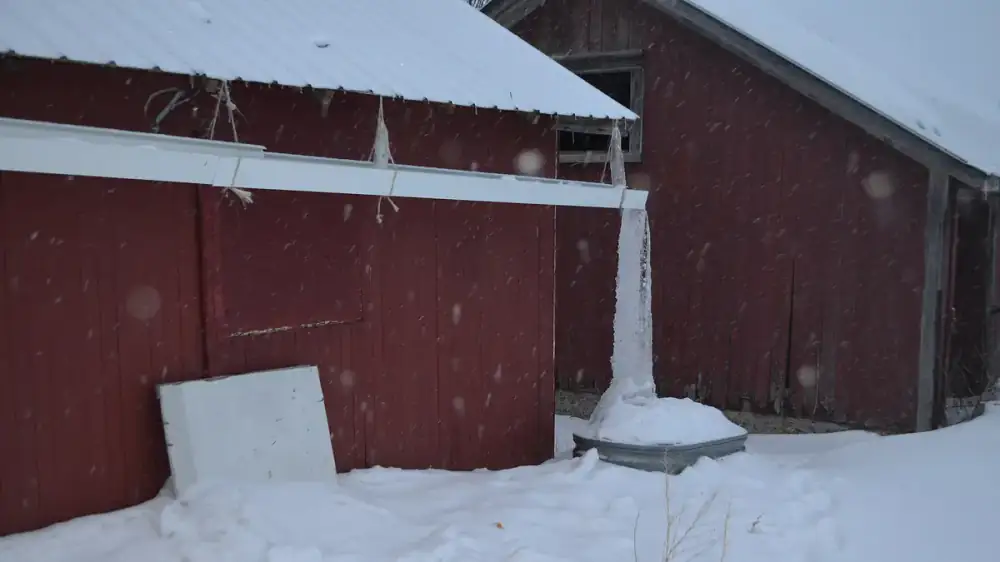
Freeze-thaw cycles, the weight of ice and ice dams all strain winter gutters. Here's how the damage happens and what to watch for from the ground.
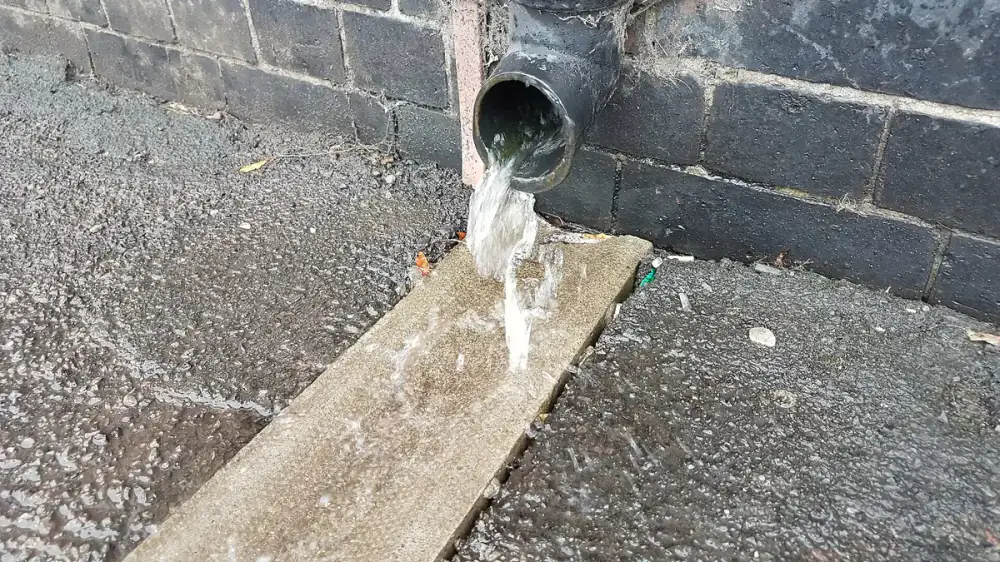
A clear trough that still overflows points to the downspout. Here's where they clog, why, and how to check the blockage safely from the ground.
You can catch most gutter problems from the ground. Here's a safe ground-level routine, what each sign means, and why the ladder work belongs to a pro.
Perfect gutters still fail if downspouts dump water at the foundation. Here's why discharge distance and grading matter, and how extensions help.
Gutters need a slight slope to drain. Standing water means the pitch has failed somewhere — here's why it matters and how to find the cause.