How Gutters Damage Fascia When They Overflow
An overflowing gutter doesn't just spill out front. It sends water onto and behind the fascia — and once that board weakens, the whole system starts to unravel.
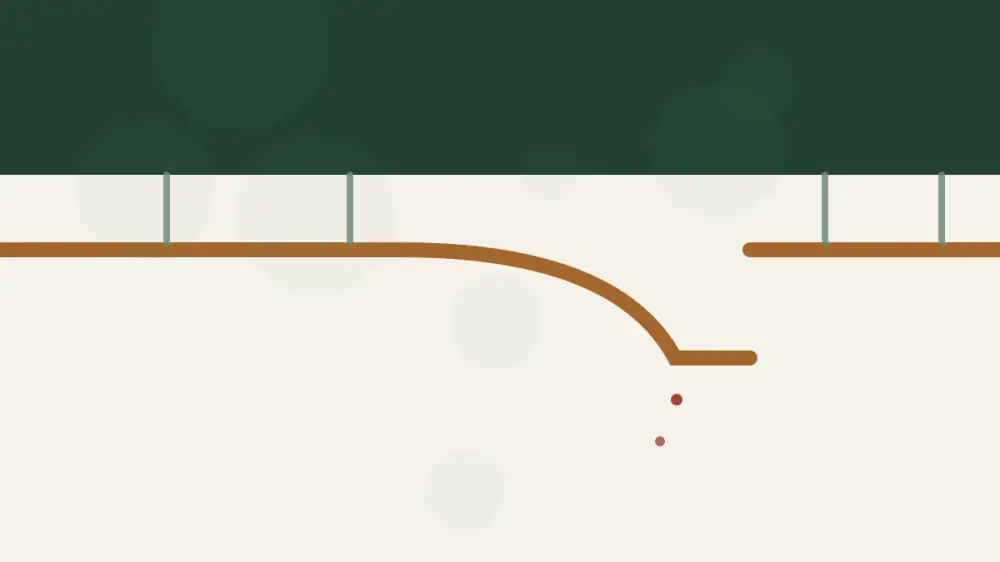
When a gutter overflows, water goes exactly where the fascia can't handle it — sheeting down the front of the board and backing up behind the gutter onto the fascia and soffit. Repeated wetting rots the wood, and rot loosens the hangers that hold the gutter. That starts a cascade: the fascia weakens, the gutter sags, the sag causes more overflow, and more overflow rots more fascia. Clearing and correcting the gutter early breaks the loop.
From the driveway, an overflowing gutter reads as a minor spectacle — a curtain of water off the roof edge during a downpour, gone by the time the sky clears. What that curtain hides is where the real harm lands: on the fascia board the gutter hangs from, and in the soffit tucked below it. Overflow ranks among the most common reasons fascia rots, and because the fascia is what physically carries the gutter, the damage doesn't just sit there — it loops back and makes the overflow worse. Follow the mechanism once and both the fix and the urgency snap into focus.
Two paths water takes when the gutter gives up
A gutter that can't keep up — because it's clogged, sloped wrong, or feeding a blocked downspout — leaves the water it can't move looking for somewhere else to go. It finds two routes, and each one aims at the fascia.
- Over the front lip. This is the visible one. Water tips over the outer edge and runs in a sheet down the front face of the fascia and the wall beneath. A board designed to shrug off a passing rinse instead stands under a steady stream.
- Over the back edge, behind the gutter. This is the quiet, destructive one, precisely because you can't see it. As the trough fills past capacity, water climbs over the rear of the gutter and slides down the narrow gap between gutter and house — landing directly on the fascia and seeping into the soffit. It's the same failure examined in why water runs behind gutters, and it wets the wood in the one spot that can't dry out.
By either route, the fascia's status changes from occasionally rained on to routinely soaked — and soaking, not rain, is what wood rots under.
Why it's the repetition, not the storm
No single overflow rots a board. One drenching dries out and the wood is none the worse. Decay is a story of repetition. Each rain that overflows re-wets the fascia before the last soaking has fully left it, and that sustained dampness is exactly the condition fungal decay requires. Give it a season or two and the signs accumulate: the board darkens, the paint blisters and lifts, and the wood underneath turns soft and spongy to the touch. That slow, repeated wetting — not a dramatic flood — is the real engine behind fascia rot.
Softening wood has a second consequence beyond the rot itself: it stops gripping metal. The hangers, spikes, and screws that hold a gutter are all driven into the fascia and rely on firm wood to hold. As the board turns punky, that grip quietly drains away.
The loop that feeds itself
This is what makes overflow damage so unlike a one-off problem — it refuses to stay put. Instead it sets up a loop in which every stage worsens the one after it:
- Overflow wets the fascia. A clog or blockage delivers water onto and behind the board with every rainfall.
- The fascia rots and softens. Repeated wetting breaks the wood down, and the hangers start to lose their hold.
- The gutter sags or pulls loose. With no solid wood to bite into, a length of gutter droops away from the house.
- The sag makes the overflow worse. A sagging run no longer drains toward the downspout — it cradles standing water, tips the wrong way, and spills more readily.
- More overflow rots more fascia. The added water speeds the decay, and the whole loop pulls tighter.
| Stage | What you see | What's happening underneath |
|---|---|---|
| Early | Water sheeting over the edge in rain | Overflow beginning to wet the fascia |
| Developing | Peeling paint, stains on fascia and soffit | Wood softening, hangers starting to loosen |
| Advanced | Sagging, tilting or gapping gutter | Rot has weakened the board; fasteners failing |
| Late | Gutter pulling away or detached | Fascia structurally gone; repair now required |
Left to run, a five-minute cleaning chore matures into a detached gutter and a rotted run of fascia. Catching it at the top of that table — stage one or two — is the whole game.
Breaking the loop before the board is gone
The encouraging part is that the cause is usually simple to address, provided you get to it before the rot sets in. A few things watched and maintained will keep overflow from ever starting the cascade.
Learn to read the early tells first. From the ground or a stable ladder, the signs that overflow is at work are: water tipping over the front or back of the gutter in steady rain; streaks and stains on the fascia and soffit, especially in the hidden strip behind the gutter; paint peeling or blistering along the roof edge; a run that sags, tilts outward, or gaps away from the board; hangers that are loose, backed out, or missing; wood that gives when you can safely press on it; and water pooling at the foot of a downspout, a hint the system isn't clearing.
Keep the trough and the downspout clear
Clogs cause more overflow than anything else, so routine cleaning is the front-line defense — it keeps water flowing to the downspout instead of over the edges. Match the interval to your trees and climate rather than the calendar; our guide to how often gutters should be cleaned helps you set one. And don't stop at the trough: a spotless gutter still overflows when the downspout is clogged.
Get the pitch right
A gutter should fall gently toward its downspout so water never stands in it. A run that's dead level, or sloped the wrong way, will pool and spill even when it's perfectly clean. Standing water lingering after the rain has stopped is your cue that the pitch needs correcting.
Let the drip edge do its job
Drip edge flashing steers roof runoff into the gutter and clear of the fascia. Missing or set wrong, it becomes a direct path for water to reach the top of the board and slip in behind the gutter. Installing or repairing it closes off two of overflow's routes in one move.
Where a pro earns the call
Some situations are past the reach of a bucket and a ladder. Bring in a professional when the fascia behind the gutter feels soft or looks rotted, when a run is sagging or actively pulling away, when overflow persists after you've cleaned everything you can reach, or when the height or pitch makes the work unsafe. A pro can reset the pitch, correct the drip edge and hangers, repair or replace the damaged fascia, and — the part that actually matters — fix the underlying cause so the cascade doesn't quietly restart. If you're unsure whether you're facing a cleaning job or something structural, our guide to signs gutters need repair will help you tell the two apart.
Common questions
How does an overflowing gutter damage the fascia?
Overflow sends water where the fascia can't shed it. Water spilling over the front sheets down the outer face of the board, while water backing up over the rear edge runs behind the gutter directly onto the fascia and soffit. Instead of a brief rinse, the board sees a steady soaking every time it rains, and wood that stays wet rots. The hangers screwed into that board loosen as it softens.
What is the cascade that overflow starts?
It's a self-worsening loop. Overflow wets the fascia; the fascia rots and softens; the gutter hangers lose their grip and the run sags; the sagging gutter holds water and pitches wrong, so it overflows even more; the extra water rots more fascia. Each stage makes the next worse, which is why a small, ignored overflow can end in a detached gutter and a length of ruined fascia.
Can I fix overflow just by cleaning the gutters?
If a clog is the cause, cleaning is the essential first step and often solves it. But overflow can also come from wrong pitch, a missing drip edge, or undersized downspouts, and cleaning won't fix those. And if the fascia has already softened, clearing the trough won't restore the board — you'll need to address the rot too. Clean first, then watch the next rain to confirm the overflow is truly gone.
How does a drip edge protect the fascia?
A drip edge is metal flashing at the roof edge that directs runoff off the roof and into the gutter, past the fascia rather than onto or behind it. Without it, water wicks back onto the top of the fascia and slips behind the gutter, two of the main ways overflow-related water reaches the board. A properly installed drip edge is one of the simplest defenses against fascia rot.
Why does my gutter keep pulling away from the house?
Usually because the fascia behind it has rotted. Gutters hang from fasteners driven into the fascia, and once that wood softens, the fasteners lose their hold and the gutter sags or pulls loose. Refastening into rotten wood won't last — the fascia has to be repaired or replaced first, and the overflow that rotted it corrected, or the gutter will pull away again.
When should I call a professional?
Call a pro when the fascia behind the gutter feels soft or looks rotted, when a run of gutter is sagging or detaching, when overflow persists after cleaning, or when the work is high or steep. A professional can correct the pitch, drip edge and hangers, repair or replace damaged fascia, and address the cause so the cascade doesn't simply start over.
Keep reading
Signs Soffits Have Moisture Damage
Staining, sagging, peeling paint, pests and mold under the eaves all signal soffit moisture damage. Here's what causes it and when to call a pro.
Water Stains Below the Roof Edge
Stains under the eave are a map of misdirected water — overflow, water behind the gutter, drip edge trouble, ice dams or condensation. Here's how to read them.
What Causes Fascia Rot?
Fascia rot traces back to persistent moisture — overflowing gutters, missing drip edge, water behind the gutter and poor airflow. Here's how it starts and spreads.