Exterior Cleaning
Pressure Washing vs Soft Washing
One relies on force, the other on cleaning solution at low pressure. Matching the method to the surface is what protects siding, roofs and trim.
Category
Cleaning the outside of a house is mostly about matching the method to the surface. This section covers pressure washing, soft washing, siding, concrete, decks and organic growth, with an emphasis on what pressure can and cannot safely reach.
One relies on force, the other on cleaning solution at low pressure. Matching the method to the surface is what protects siding, roofs and trim.
That green film is a moisture problem, not just dirt. Here's why gentle cleaning beats blasting, how to protect plants and windows, and how to stop it coming back.
The same force that strips dirt can crack panels, peel paint and push water into the wall. Here's how siding gets damaged — and the safer way to clean it.
Black streaks and mildew are living growth, not dirt — which is why they resist a hose and return. Soft washing treats them; managing moisture keeps them away.
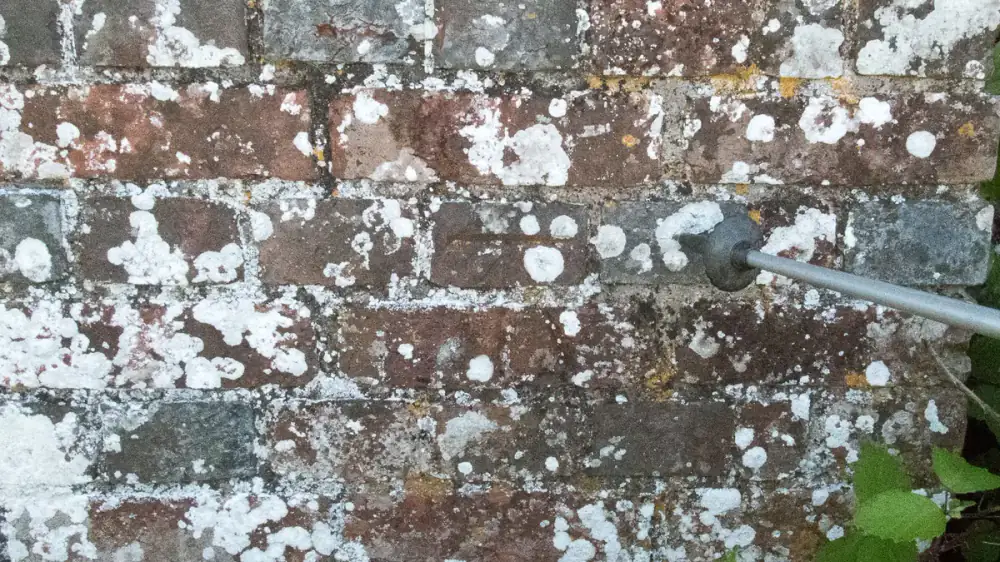
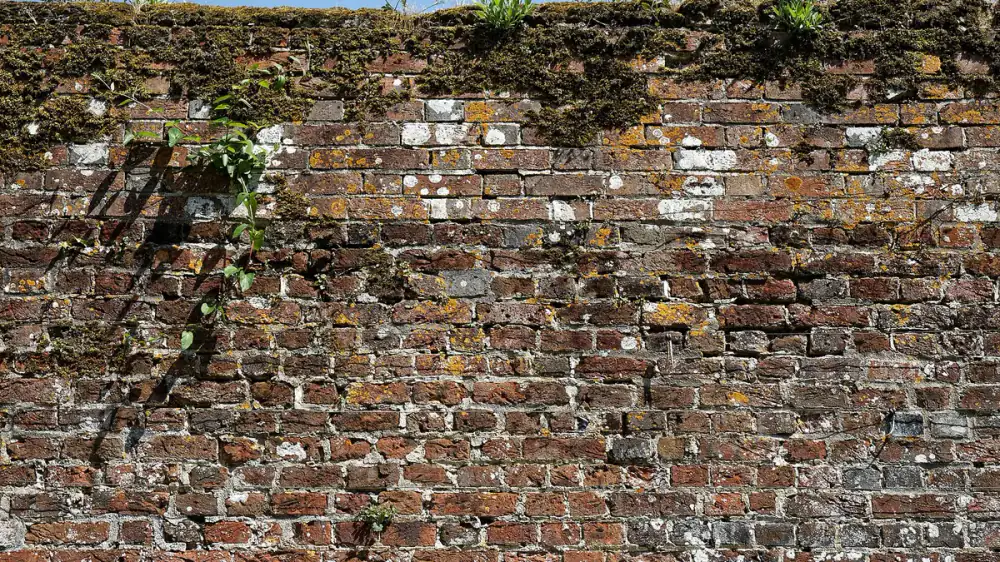
Sound brick tolerates more than aged brick and old mortar. On masonry, the joints usually fail before the brick does — which is why condition dictates the method.
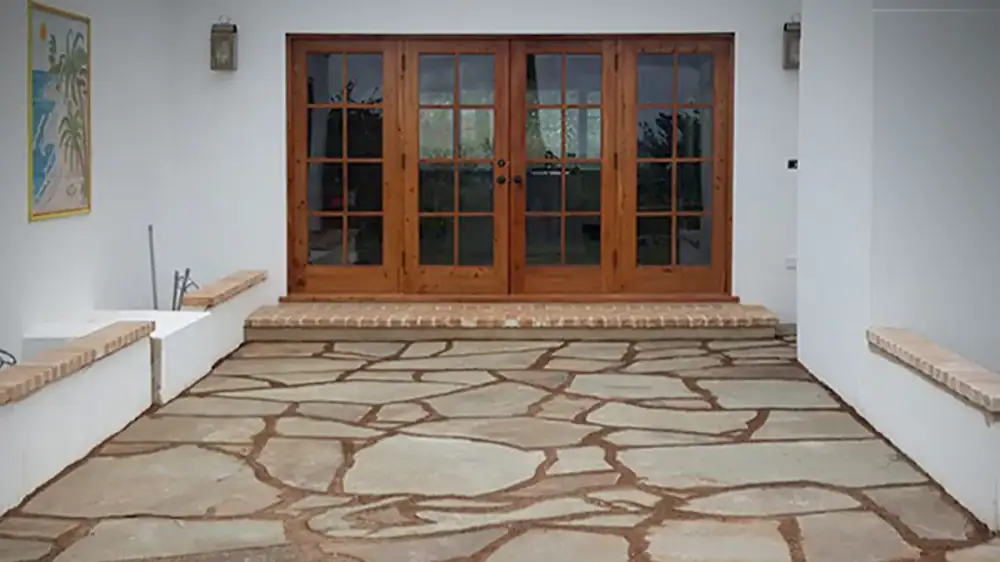
Pavers clean up well, but too much force washes out the joint sand that holds them in place. Gentle methods, plus re-sanding afterward, keep a patio sound.
Concrete and asphalt clean differently. Matching technique to material — and to the stain — is what prevents etching, striping and a patchy-looking finish.
High pressure gouges soft wood and raises the grain fast. Gentle cleaning, working with the grain, and sealing afterward are what keep a deck sound.
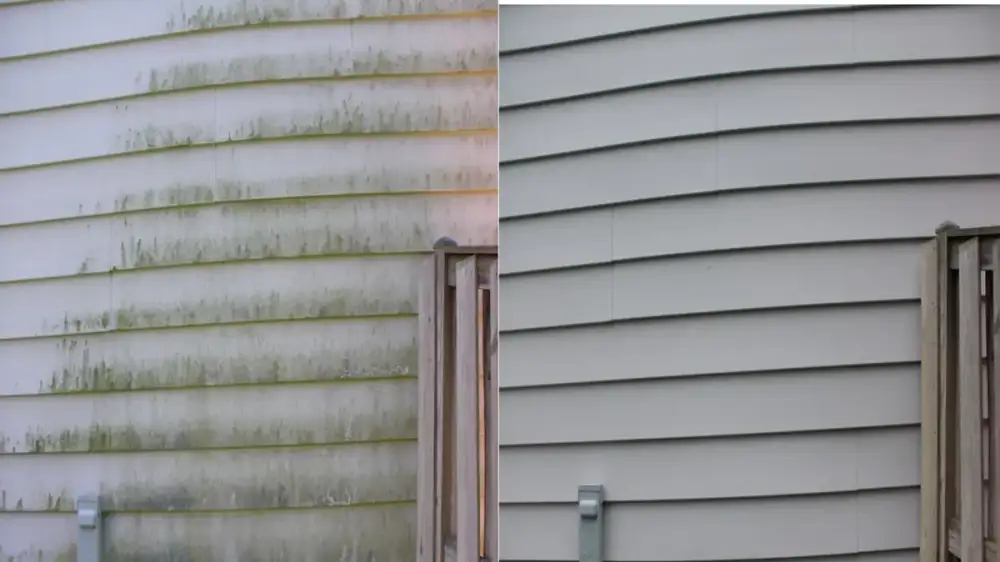
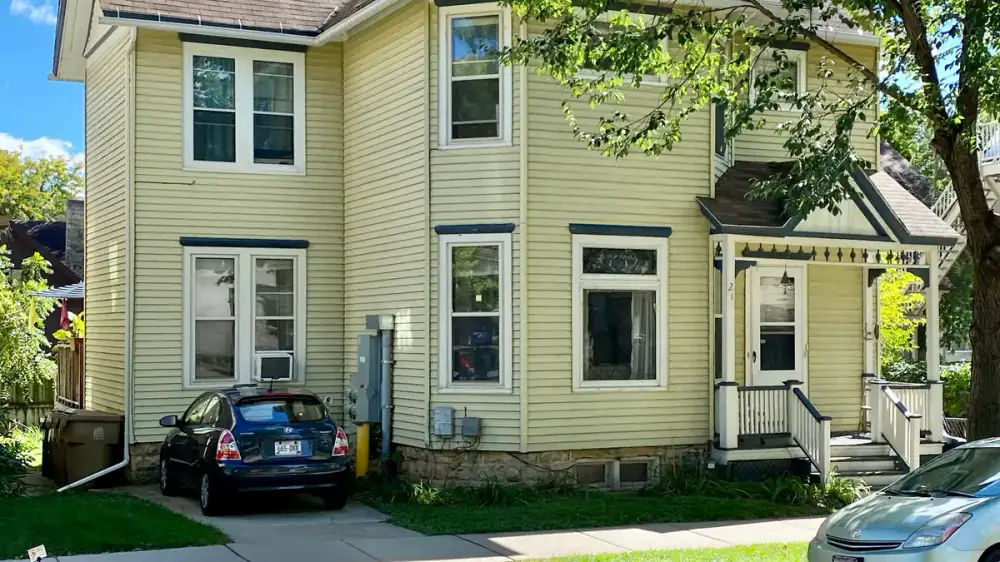
Gentle methods clean vinyl beautifully; aggressive ones force water behind the panels. Here's how to remove algae and mildew without creating a hidden problem.