Problems
Why Green Growth Keeps Returning on Siding
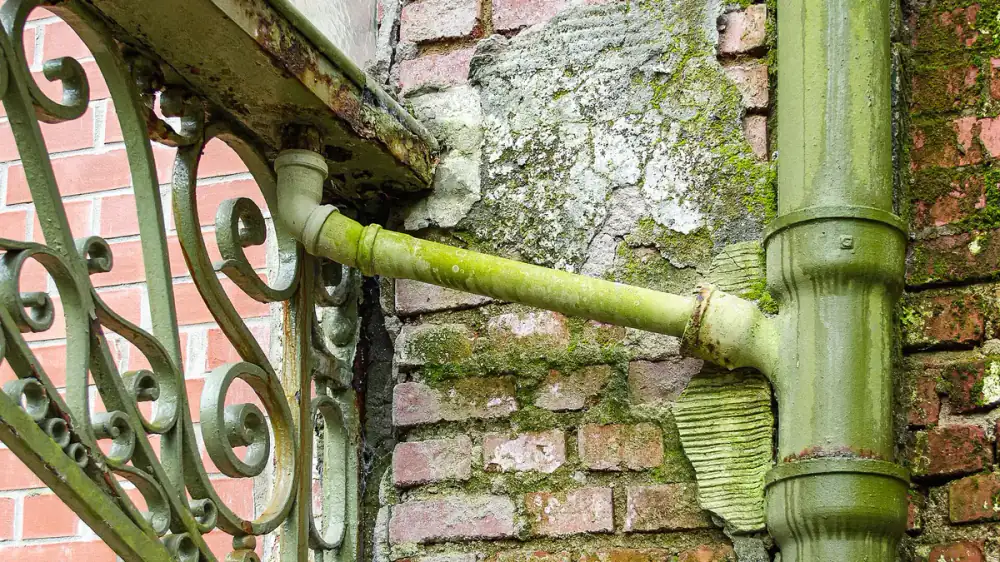
Algae and mold return because cleaning removes the growth but not the shade and moisture that feed it. Fixing those conditions is what makes it stop.
Category
This is a symptom-first hub. Each page opens with a direct answer, then walks through likely causes, safe diagnosis, possible fixes, what not to do, and when the work belongs with a professional.
Algae and mold return because cleaning removes the growth but not the shade and moisture that feed it. Fixing those conditions is what makes it stop.
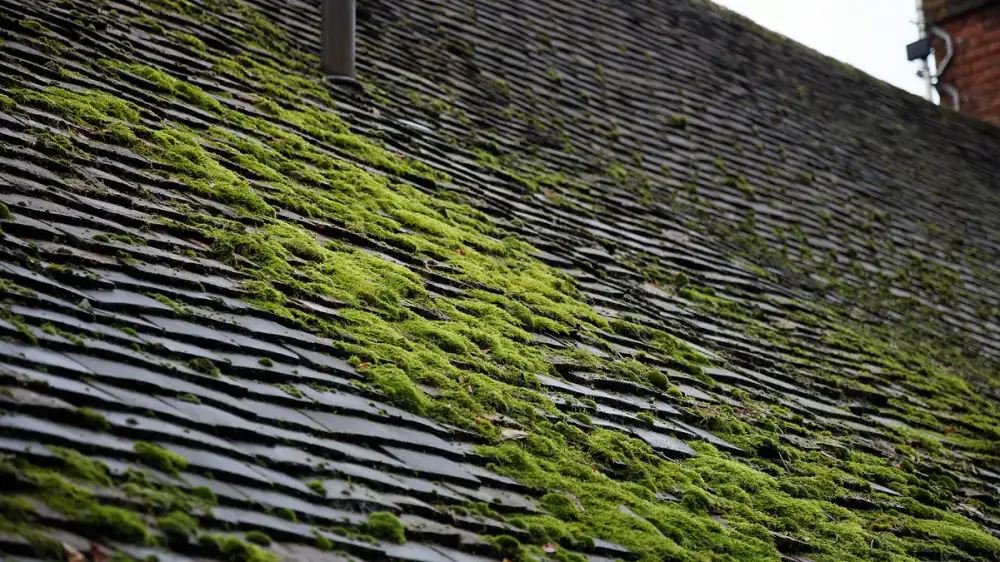
Moss takes hold on shaded, damp roof sections and holds moisture against the shingles — but removing it from the roof is risky work for a professional.
The white powder on brick is efflorescence — mineral salts drawn to the surface by moisture moving through the masonry and left behind as water evaporates.
Rust stains form where metal and water meet — corroding fasteners, fixtures, or iron-rich runoff bleeding orange-brown onto siding, brick, or concrete.
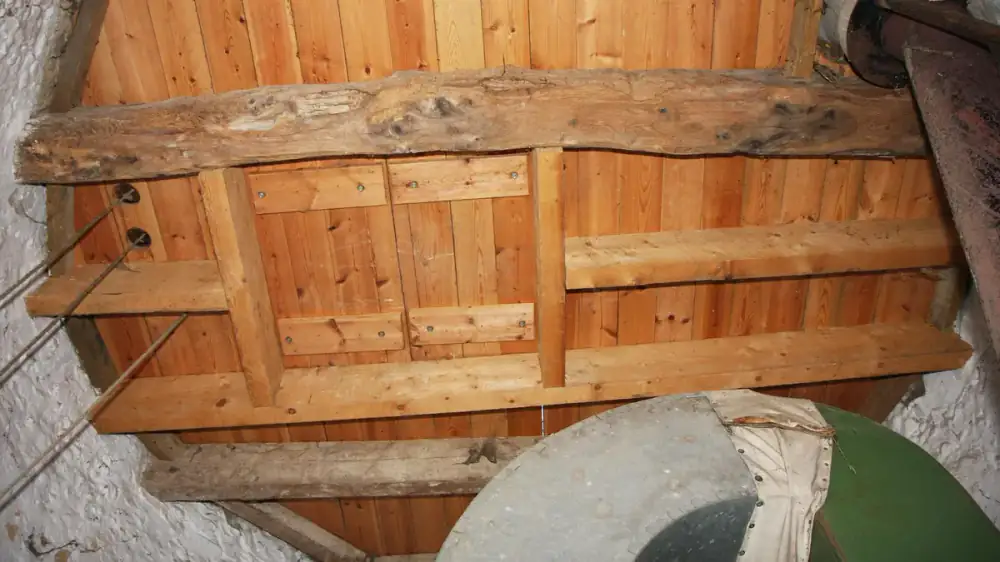
Dark soffit stains signal moisture reaching the underside of the eaves — often from gutter overflow, a roof-edge leak, or poor attic ventilation.
Storms loosen gutters by overloading fasteners with water and debris weight, or by wind lifting and pulling a run away from the fascia.
Downspouts get noisy when water drums on thin metal, splashes at a bend, rattles a loose fitting, or backs up behind a partial clog.
Downspout drainage, checking behind gutters, soffit vents, fascia, chimney caps, and post-storm checks are the quiet tasks that prevent expensive damage later.
Water collects at the foundation when grading slopes inward, downspouts discharge too close, or overflowing gutters dump runoff right against the wall.