Finding Your Shoulder-Season Maintenance Windows
The best weather for working on a house is the weather nobody notices — the mild, unremarkable weeks of spring and fall. Learning to spot those windows is worth more than any checklist.

The shoulder seasons — the mild weeks of spring and fall — are the best time to work on a house, because their conditions suit exterior work: temperatures moderate enough for coatings to cure, ground dry and firm enough for a stable ladder, and comfortable enough to spend real time outside. Recognize a window as a run of dry, mild days with no rain coming, not a single warm afternoon. Spring windows lean toward winter recovery and summer prep; fall windows toward winterizing. Do the ground-level work yourself and leave roof or tall-ladder tasks to a professional.
Everyone remembers the extreme weather. The blizzard, the heat wave, the storm that took down the neighbor's fence — those are the days that stick, and they're the days most maintenance advice is organized around. But the weather that actually matters most for taking care of a house is the weather no one remembers at all: the string of ordinary, mild, slightly-too-boring-to-mention days that show up in spring and fall. Those are the shoulder seasons, and they are, quietly, the most valuable maintenance real estate on the calendar. Learning to notice them and put them to use is worth more than any checklist, because a checklist tells you what to do while the shoulder season tells you when it will actually go well.
The reason comes down to a simple fact that gets lost in the focus on extremes: exterior work has ideal conditions, and those conditions are moderate, not dramatic. Paint and sealant cure best in a middle temperature range. Ladders are safest on dry, firm ground. Surfaces are easiest to inspect and clean when they're neither frozen nor baking. Every one of those preferences points away from the peak of summer and the depth of winter and straight at the mild transitional weeks in between. The shoulder season isn't a compromise between the extremes. For most work, it's the optimum.
Why the mild weeks beat the memorable ones
It's counterintuitive, because peak summer feels like the natural time to work on a house — it's warm, the days are long, and being outside is pleasant. But peak summer actively fights several common tasks. Extreme heat keeps many paints, caulks, and sealants from curing correctly, so a coating applied in a July heat wave can fail to set properly and need redoing. Hot decks and ladders get slick and are miserable to work on. The same intense sun that's fine for a cookout is hard on both you and a finish that's trying to dry evenly. Winter has the opposite but equally disqualifying problem: too cold for curing, ground too frozen or muddy for a safe ladder, and conditions that make height work genuinely dangerous.
The shoulder seasons thread between those failure modes. They give you the mildness without the extremes — enough warmth to cure a coating, enough dryness to inspect and clean, firm-enough ground for a ladder, and temperatures comfortable enough that you'll actually finish what you start rather than quitting after twenty minutes. That's why the identical task is so often easier in April or October than in July or January. You're not just more comfortable; the work itself comes out better.
What a real window looks like
The mistake people make is treating a single nice day as a window. It usually isn't. A genuine maintenance window is a run of dry, mild days — a stretch where the daytime and overnight temperatures both sit in a moderate range and no rain is on the way for several days. That combination is what lets surfaces dry out, coatings cure, and multi-step jobs actually get completed.
A lone warm afternoon wedged between two cold snaps is tempting and, for most curing or drying work, a trap: you get the surface prepped and the first coat on, and then the temperature drops or the rain arrives before anything has set. So the skill is reading the near-term forecast — the reliable few-days-out window — for that sustained mild stretch rather than jumping on the first pleasant day. This is the same forecast-as-tool habit that governs most seasonal timing, applied to opportunity rather than threat: instead of watching for the freeze or the storm you need to beat, you're watching for the calm, workable run you want to grab. When you see it coming, that's your cue to line up the shoulder-season work.
Spring windows versus fall windows
The two shoulder seasons share the same virtue of workable weather but point at different halves of the year, which is worth using deliberately.
Spring windows are for recovering from winter and getting ready for summer. As the thaw settles and the mild days arrive, that's when you clear the winter debris, confirm drainage survived the freeze-thaw, clean the algae off the shaded walls, and finish the curing work that couldn't be done in the cold. This is exactly the staged approach laid out in a realistic spring exterior timeline, and a structured pass through the spring exterior maintenance checklist fits a spring window perfectly.
Fall windows tilt the other way — toward getting the house ready for winter before the cold locks it down. The mild weeks of autumn are when you keep ahead of leaf drop, confirm the gutters and downspouts will carry the winter's water, and finish outdoor projects while coatings can still cure. A fall window is the natural home for the fall gutter and downspout checklist and any last curing work before the freeze deadline. Same good weather, opposite direction: spring windows dig out of one extreme, fall windows prepare for the next.
Using windows well
Because the windows are set by weather rather than the calendar, you can't pin them to fixed dates months in advance — but you can prepare to seize them. The workable approach is a two-part habit: keep a loose seasonal task list of what belongs to spring and what belongs to fall, then watch the near-term forecast and act when a good stretch actually appears. That way the planning is done and the only decision left when the window opens is to start.
Two things make this even more effective. First, batching: since a good window is a limited resource, it pays to group the tasks that share it, so a single dry mild stretch clears several jobs at once — the logic worked out in exterior tasks worth batching together. Second, a standing rhythm of monthly exterior home checks keeps you aware of what's queued, so when the window arrives you already know what needs doing. Fold both into whatever exterior maintenance plan you keep, and the shoulder seasons stop being weeks that pass unnoticed and become the weeks that quietly keep your house in good shape. As with all of this, the ground-level work is yours and anything requiring roof access or a tall ladder belongs to a professional — the mild weather makes the work pleasant, not the height any safer.
Questions people also ask
What is a shoulder season, and why does it matter for maintenance?
The shoulder seasons are the transitional stretches between the extremes — the mild weeks of spring and fall that bridge winter and summer. They matter because their conditions are ideal for exterior work: temperatures moderate enough for coatings to cure, ground firm and dry enough for a stable ladder, and comfortable enough to actually spend time outside. Most maintenance goes better in a shoulder season than in the peak of either extreme.
How do I recognize a good maintenance window?
Look for a run of dry, mild days — not one nice afternoon, but a stretch where daytime and overnight temperatures both sit in a moderate range and no rain is coming for a few days. That combination lets surfaces dry, coatings cure, and you finish what you start. A single warm day between cold snaps looks tempting but usually isn't enough for anything involving curing or drying.
Why not just do maintenance in summer when the weather's nice?
Peak summer looks convenient but works against you in specific ways: extreme heat keeps many paints and sealants from curing properly, hot decks and ladders are uncomfortable and slick, and the intense sun that's pleasant for a barbecue is hard on both you and freshly applied finishes. The shoulder seasons give you the mildness without the extremes, which is why the same task is often easier in April or October than in July.
Are spring and fall windows used for different tasks?
Somewhat. Spring windows tend to go toward recovering from winter and preparing for summer — clearing winter debris, checking drainage, cleaning, and finishing curing work as it warms. Fall windows tilt toward preparing for winter — clearing leaves, confirming drainage, and finishing outdoor projects before the freeze. Both share the same virtue of mild, workable weather; they just point at different parts of the year.
What if I miss a shoulder-season window?
You wait for the next one or accept harder conditions. Missing a window isn't a disaster for most cosmetic work — it simply waits. But for anything tied to a deadline, like finishing drainage work before winter or curing a coating before the heat, a missed window can mean the task doesn't get done well until the following shoulder season. That's why it helps to watch for these windows and act on them rather than assuming another will come soon.
Can I plan around shoulder-season windows in advance?
You can plan which tasks belong to which season, then watch the near-term forecast to catch the actual window when it arrives. You can't schedule the exact dates months out, because the windows are set by weather, not the calendar. The workable approach is a loose seasonal task list paired with the habit of acting when a good stretch appears, rather than pinning tasks to fixed dates that the weather may not honor.
Related reading
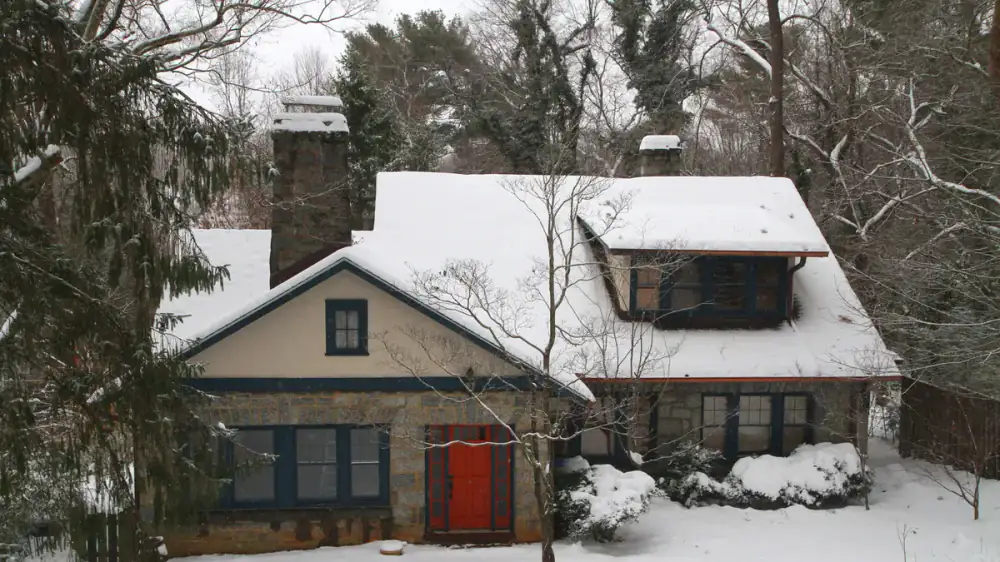
Winter Exterior Home Maintenance Checklist
A grouped, printable winter checklist for snow, ice, frozen gutters and storm damage — built entirely around safe, ground-level observation and knowing when to call a pro.
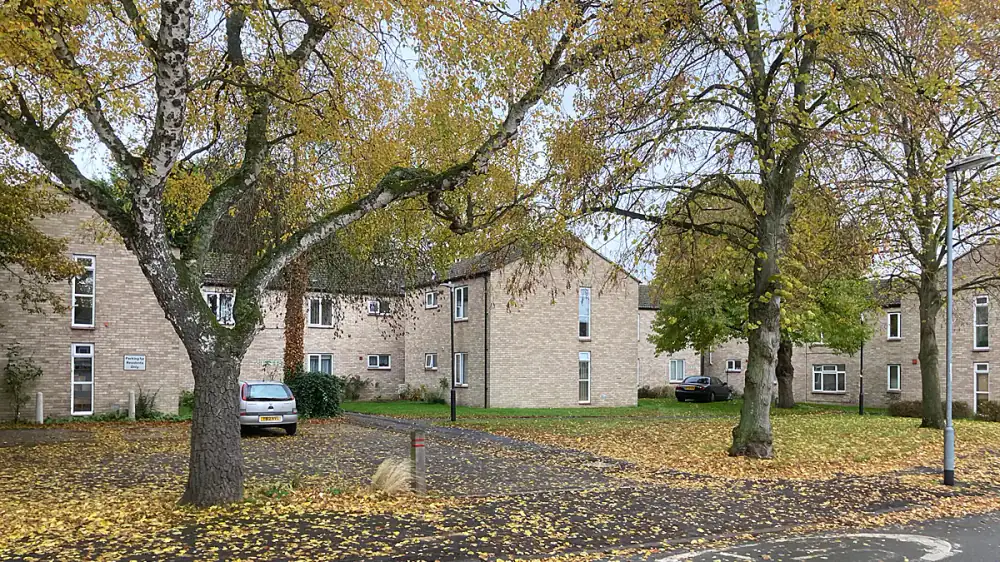
Autumn Exterior Home Maintenance Checklist
A grouped, printable fall checklist for leaves, pine needles, gutter guards, downspouts, roof edge and freeze prep — with an emphasis on safe, ground-level work.
Post-Storm Exterior Inspection Checklist
A grouped, printable checklist for post-storm home exteriors, focused on safe ground-level observation and knowing when to call a roofing professional.