Reading the Forecast Like a Homeowner
A meteorologist reads the forecast for what the weather will do. A homeowner should read it for what the weather will do to the house — and, more usefully, for the window it opens to get ahead of it.
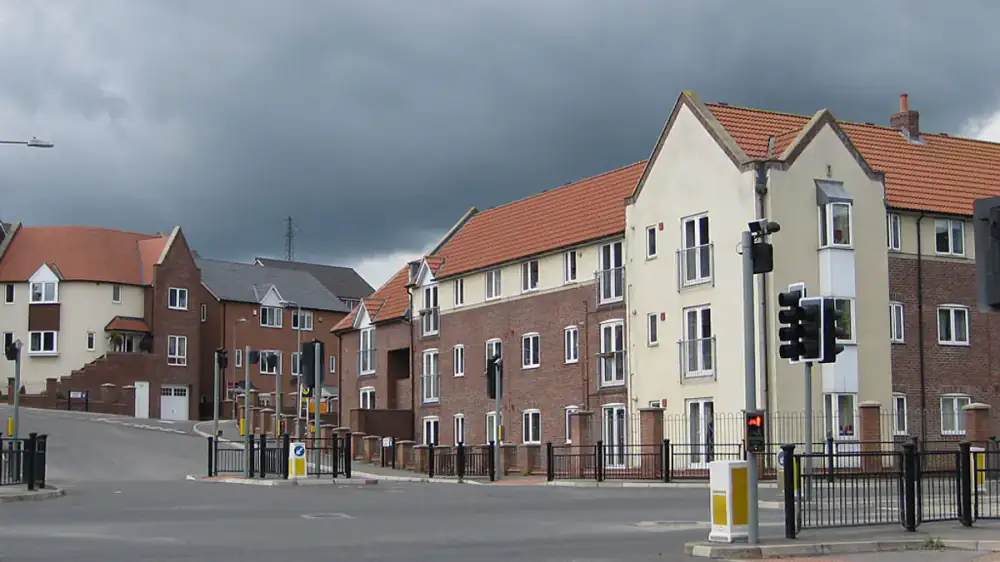
Read the forecast for what the weather will do to your house, and for the window it gives you to act first. A freeze warning is a deadline to drain faucets and clear gutters. A heavy-rain forecast is both a prompt to clear drainage and a free chance to watch it work. A wind advisory means secure loose items and inspect after. A heat warning flags finish wear and limits when work will cure. Do the observing from safe ground; save height work for the calm.
Everyone checks the weather. Almost nobody checks it the way a homeowner should. Most of us read the forecast to answer questions about ourselves — do I need a jacket, will the game be rained out, is it a beach day. But the same forecast, read slightly differently, is one of the most useful maintenance tools you own. It tells you not just what the sky will do, but what the sky is about to do to your house, and — this is the part people miss — it hands you a window to get ahead of it.
The shift is small but it changes everything. Instead of reading the forecast as information, read it as a series of deadlines. Each type of weather warning is really a to-do list item with a due date attached, and the forecast is quietly telling you when it's due.
The mindset shift: forecasts are deadlines
A meteorologist's job ends at the prediction. Yours starts there. When you see "hard freeze Thursday night," the meteorologist has told you a fact; your job is to translate it into "I have until Thursday afternoon to finish anything involving water." That translation — from prediction to deadline — is the whole skill.
It matters because nearly all exterior maintenance is time-sensitive in one direction: it's cheap and easy before the weather event and expensive or impossible during and after. Clearing a gutter is a routine chore on Tuesday and a nightmare once Thursday's ice has locked the debris solid. Wrapping a hose bib takes two minutes in the dry and prevents a burst pipe you'll pay dearly for after the freeze. The forecast is telling you where those windows are. Reading it well is mostly about not wasting them.
The useful range for this is the near-term forecast — roughly two to five days out. That's far enough ahead to actually do something and close enough to trust. Longer outlooks are fine for rough planning, but you schedule specific tasks off the near-term window.
A freeze warning is a hard deadline
Of all the forecasts, the first hard freeze of the season is the one with the sharpest teeth, because it's a genuine deadline: after it, a whole category of tasks either becomes much harder or comes with a penalty for having skipped it.
When you see that first freeze approaching, it should trigger a specific short list. Water sitting in outdoor faucets and hose bibs needs to be drained and the bibs protected, because water expands as it freezes and can split the pipe. Any hose left connected traps water against the valve and should come off. Gutters full of debris need clearing now, before that debris freezes into an immovable mass that dams meltwater at the roof edge all winter. And any water-based work — sealing, washing, anything that needs to dry or cure — has to be finished, because cold stops most of those materials from setting properly.
That first-freeze forecast, in other words, is the starting gun for winterizing. Everything in a winter exterior routine has an implicit "before the freeze" stamped on it, and the forecast is what tells you the freeze is coming. Miss the window and you're not just inconvenienced — you've handed winter the opening it needs.
A heavy-rain forecast works twice
Rain in the forecast is unusual in that it's useful to you both before it arrives and while it's falling — most weather is only actionable in one of those.
Before the rain, it's a deadline of the familiar kind: clear the gutters and downspouts, and make sure water has a clear path away from the foundation. A big rain hitting a clogged system is how basements get wet and foundations get saturated, so a forecast of heavy rain is a prompt to check your drainage while it's still dry enough to fix.
But the more overlooked use comes during the rain. A heavy downpour is a free, full-scale diagnostic of your drainage that no dry-day inspection can replicate. So when it's really coming down, put on a coat and go stand in the driveway. Watch the gutters — are they carrying the water or spilling over the front edge, which points to a clog? Watch the downspouts — are they discharging well away from the house or dumping at the wall? Watch the ground — is water traveling away from the foundation or pooling against it? This is exactly the kind of observation that a routine like monthly exterior checks is built to catch, and rain hands it to you for free. Just keep it to the ground; a storm reveals problems and makes ladders dangerous at the same moment, so note what you see and do the actual work in the calm afterward.
A wind advisory is a two-part cue
Wind in the forecast prompts action on both ends — before and after — and both parts are easy to forget until it's too late.
Before the wind arrives, it's a signal to secure anything that could become a projectile or simply blow away: patio furniture, umbrellas, trash bins, decorations, anything loose that a strong gust could throw against the house or a neighbor's. There's no magic wind-speed threshold to memorize; the practical rule is that any advisory calling for a meaningful jump above your area's normal is enough to walk the yard and tie things down.
After the wind passes is when the second cue kicks in: inspect. High winds work at the edges and fasteners of things — they lift shingles, loosen flashing, pull at gutters, and strip weak trim. A post-wind walk-around, done from the ground, is how you catch that damage while it's minor, and it's the core of a good post-storm exterior inspection. Anything you spot up high — a lifted shingle, a gutter pulling loose — goes on the list for a professional rather than an improvised climb.
A heat warning speaks in two timeframes
Heat is the subtle one. It rarely causes the sudden, dramatic damage that a freeze or a windstorm does, so it's easy to read a heat forecast as purely a comfort issue. It isn't — it speaks to your house on two different clocks.
On the long clock, sustained heat and intense sun are relentless on exterior finishes. They fade and chalk paint, harden and crack caulk, and make sealants brittle until they pull away from the joints they're supposed to protect. Every failing seal is a future water entry point, so a stretch of hot days is a nudge to check the sun-facing sides of the house — usually the south and west — for finishes that are giving out. What the sun opens, the next rain walks through.
On the short clock, a heat forecast is a scheduling constraint. Many exterior products — paints, caulks, sealants — won't cure correctly when it's extremely hot, and working outside in that heat is genuinely hard on you. So a heat warning can mean "not today" for hands-on work as clearly as a freeze warning means "before Thursday." Read it as both: a long-term flag about your finishes and a short-term limit on when the work will actually take.
Building the forecast into your routine
Put it all together and the forecast becomes a kind of rolling, automatic to-do list — one that updates itself and tells you not just what to do but when it's due. Freeze approaching: winterize before it lands. Heavy rain coming: clear the drainage, then go watch it perform. Wind advisory: secure now, inspect after. Heat wave: check the finishes, and hold the curing work.
The habit worth building is simply to run each forecast through one question — what is this weather going to do to the house, and what's my window to get ahead of it? Fold that into whatever seasonal maintenance plan you already keep, and the weather stops being something that happens to your house and starts being something you're consistently one step ahead of. The information was always there in the forecast. Reading it like a homeowner is just choosing to act on it before the deadline instead of after.
Frequently asked questions
How far ahead does a forecast actually help me?
The two-to-five-day window is the sweet spot for maintenance. That's far enough out to act — to clear a gutter before a storm or wrap a faucet before a freeze — and close enough to be reliable. Longer-range outlooks are useful for general planning but too uncertain to schedule specific tasks around. Watch the near-term forecast and treat each warning as a to-do with a deadline.
What's the single most important forecast to watch?
The first hard freeze of the season, in cold climates. It's a hard deadline for a whole category of tasks — draining hose bibs, clearing gutters, finishing any water-based work — because once it hits, standing water and clogs turn to ice and the cost of being unprepared jumps. If you track one thing, track the approach of that first freeze.
Should I do exterior tasks during bad weather to see what's happening?
Only from safe ground, and only the observation. Watching where water goes during a rainstorm from your driveway is genuinely useful. Getting on a ladder or roof in wind, rain, or ice is not — conditions that reveal problems are the same conditions that make height work dangerous. Observe during the weather; do the hands-on and elevated work in the calm before or after.
How do I use a heavy-rain forecast?
Two ways. Before the rain, it's a deadline: clear the gutters and downspouts and make sure water can drain away. During the rain, it's a free diagnostic — go out and watch how your drainage actually performs under load. Overflow, pooling, or water running at the foundation shows you exactly what to fix, information a dry day can't give you.
What wind speed should make me pay attention?
There's no universal number, but a forecast calling for a notable jump above your area's normal — sustained higher winds or strong gusts — is the cue to secure loose items and, afterward, to inspect. The useful habit isn't memorizing a threshold; it's treating any wind advisory as a prompt to tie down what could become a projectile and to look things over once it passes.
Does a heat warning really matter for the exterior?
Yes, in two directions. Extreme heat degrades finishes, caulk and sealants over time, so a run of hot days is a reminder to check sun-facing surfaces. It also dictates timing: many materials won't cure properly in extreme heat, and working outside in it is hard on you. Read a heat forecast as both a long-term warning about your finishes and a short-term scheduling constraint.
Keep reading
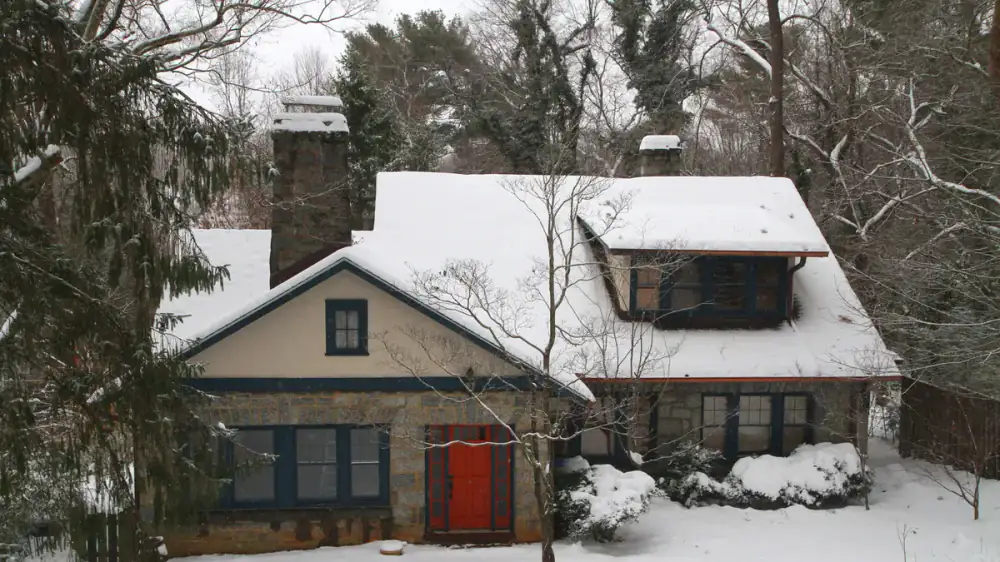
Winter Exterior Home Maintenance Checklist
A grouped, printable winter checklist for snow, ice, frozen gutters and storm damage — built entirely around safe, ground-level observation and knowing when to call a pro.
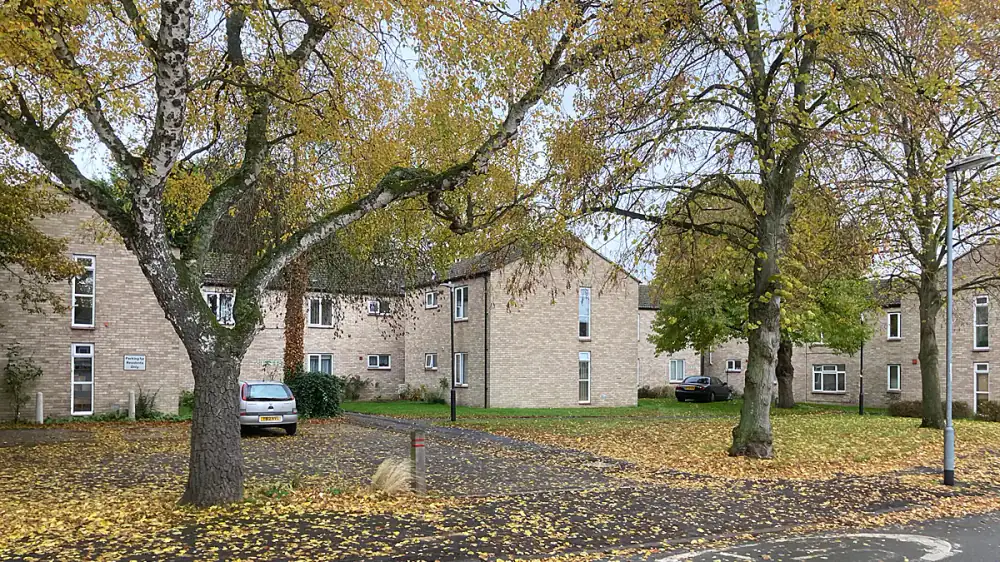
Autumn Exterior Home Maintenance Checklist
A grouped, printable fall checklist for leaves, pine needles, gutter guards, downspouts, roof edge and freeze prep — with an emphasis on safe, ground-level work.
Post-Storm Exterior Inspection Checklist
A grouped, printable checklist for post-storm home exteriors, focused on safe ground-level observation and knowing when to call a roofing professional.