Summer Heat and Your Home's Exterior
Summer doesn't attack a house the way a storm does. It leans on it — with sun, heat, daily expansion and warm-weather growth — until seams open and finishes give out.
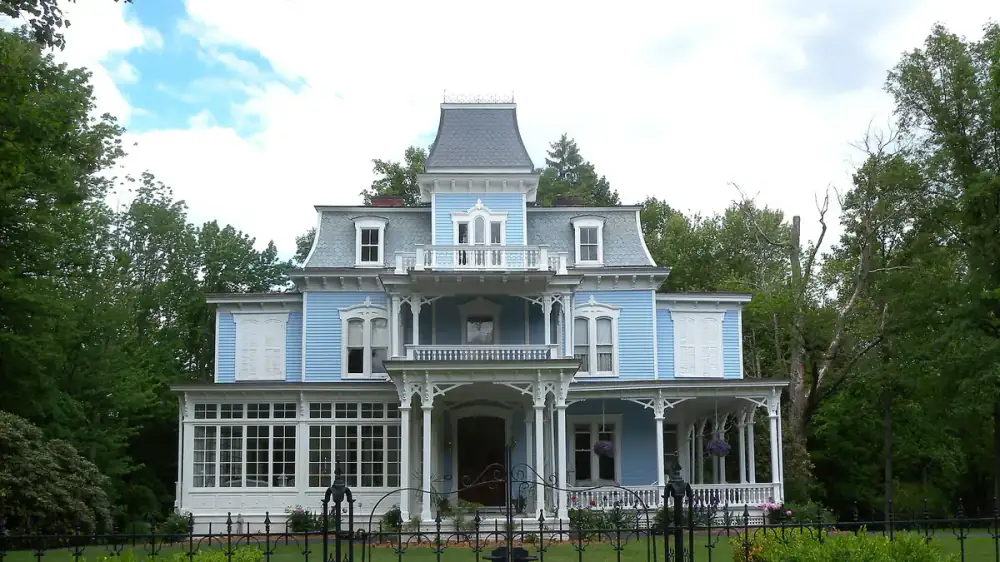
Summer wears a house through four quiet forces: UV that fades and embrittles finishes, daily thermal expansion that works seams and fasteners loose, heat and sun that crack sealant into open gaps, and warm, damp conditions that let algae settle on shaded walls. Sun damage shows first on the south and west sides; algae on the cool north side. Nearly all of it is visible from the ground on a bright day — do the looking with your feet planted and leave elevated work to a professional.
A storm announces itself. It knocks a branch onto the roof, tears a gutter loose, leaves debris in the yard, and you go out afterward and see exactly what it did. Summer works nothing like that. It doesn't do damage so much as apply pressure — steady, patient, day after day — and by the time the result is visible, the pressure has already been building for months. That's what makes heat the most underrated season for a house. It never gives you a moment that says "go look." You have to know to look anyway.
Four distinct forces are at work through a hot season, and it helps to separate them, because each leaves a different signature and each shows up in a different place. Understanding them turns a vague sense that "the sun is bad for paint" into a specific set of things you can actually spot from the ground before they become expensive.
The sun: slow chemistry on your finishes
The most familiar force is ultraviolet light, and its effect is essentially a slow chemical breakdown. UV attacks the binders and pigments that hold a coating together, and it does so in a predictable order that's worth knowing because it lets you catch the problem early.
First comes fading and a loss of gloss — the surface simply looks tired, its color flattened. Then chalking, a fine powder that rubs off on your palm when you drag a hand across the wall; that powder is the coating literally coming apart at the surface. Only after that do you get the dramatic stages everyone recognizes: cracking, flaking, and peeling that leaves bare material exposed. The mistake people make is waiting for that final stage to act, when fading and chalking were the surface asking for a recoat a year or two earlier. The sunniest walls — south and west — reach each stage first, and darker colors, which run hotter, get there faster than lighter ones beside them.
Expansion: the movement you never see
The second force is the one almost nobody thinks about, because it happens too slowly to watch and reverses itself every night. Every material on the outside of your house expands when it heats and contracts when it cools, and through a hot summer it does this on a daily cycle — swelling under the afternoon sun, shrinking again overnight.
In small amounts this is completely normal and the reason things like vinyl siding are designed to float rather than sit rigid. The trouble is cumulative. Constant back-and-forth movement gradually works fasteners loose, opens seams that were snug, and finds any spot where a material was installed too tightly and forces it to buckle. You won't catch expansion in the act. What you catch is its residue: a panel that has visibly pulled away, a piece of trim that has started to rattle or cup, a nail head that has backed out. When you see one of those, you're seeing the summed-up result of thousands of tiny movements.
Sealant: where two forces meet
Sealant is where the first two forces gang up, which is why it's the summer failure that causes the most hidden water damage. The UV hardens and embrittles the caulk, and the daily expansion of the surfaces on either side of the joint keeps stretching and compressing it. A flexible bead can absorb that movement; a bead that UV has already turned brittle can't. So it cracks, then shrinks, then pulls away from one edge of the joint entirely.
The gap that opens is small and easy to miss, and that's the danger. Sealant around windows, doors, trim, and wall penetrations is a primary line of defense against water, and every failed joint is a future entry point that the next rain will find. This is worth a deliberate pass on a bright day: check the joints you can reach with your feet on the ground, press gently to see whether the sealant is still flexible or has gone crumbly, and use binoculars for the higher ones and the sealant near the roofline rather than climbing to them. What the summer sun opens, the first fall storm walks straight through, which is one reason a pre-season look matters — the same logic behind good storm-season readiness.
Algae: the shaded-side problem
The fourth force is the outlier, because it prefers the parts of the house the sun never reaches. Algae and mildew need warmth and moisture, and summer delivers both in abundance — but they settle where moisture lingers, which means the cool, shaded, north-facing walls, the spots tucked under deep overhangs, and anywhere kept damp by a sprinkler that overshoots or a downspout that discharges too close.
The green or black staining reads as purely cosmetic, and at first it is. But the growth holds moisture against the surface it's living on, and a wall that stays perpetually damp is a wall on a slower clock than its sunny neighbors. The right response is a gentle cleaning matched to the surface, planned before the growth is thoroughly established — not a blast of high pressure, which drives water behind siding and does more harm than the algae ever would. Because sun damage and algae live on opposite sides of the house, a good summer inspection is really two inspections: the sunny elevations for finish and sealant wear, the shaded ones for growth and damp.
Making the invisible routine
The through-line of all four forces is that they never signal you the way weather events do, so the only defense is a habit of looking on purpose. A bright, dry day is ideal — fading, chalking, and cracked sealant all show most clearly in strong light — and the whole thing is a ground-level walk-around with binoculars for anything high. Start with the south and west walls for finish and sealant, then circle to the north side for algae, and note rather than climb: hot decks and ladders are genuinely dangerous in summer, and everything worth seeing is visible from below.
Fold that look into whatever routine you already run. A standing habit of monthly exterior home checks keeps summer's slow changes on your radar instead of letting them accumulate unnoticed, and after a genuinely brutal stretch it's worth a focused pass — the kind laid out in what to check after a heat wave — to catch the damage a single extreme event can accelerate. Heat will keep leaning on your house every summer whether you watch or not. The only variable is whether you notice the pressure while the fixes are still small, and that's entirely a matter of looking before the season tells you to. For the wider context, the seasonal-care hub puts summer in line with the rest of the year.
Questions people also ask
Is summer really hard on a house, or just on people?
It's genuinely hard on the house, just quietly. Heat and UV break down finishes and sealant over months, daily temperature swings work seams and fasteners loose through constant expansion and contraction, and warm, damp conditions let algae take hold on shaded walls. None of it is dramatic, which is exactly why it gets ignored until a seam has already opened or a finish has failed.
Why does sealant fail in summer specifically?
Two summer forces work on it at once. UV hardens and embrittles caulk and sealant, and the daily heat cycle makes the surfaces on either side of a joint expand and contract, stretching the sealant until brittle beads crack and pull away. The result is small gaps around windows, doors and trim that let the next rain in. Check reachable joints from the ground and use binoculars for high ones.
What is thermal expansion doing to my siding?
Every material on the outside of your house grows slightly when it heats and shrinks as it cools, and it does this every single day all summer. Over time that constant movement can loosen fasteners, open seams, and make panels that were installed too tightly buckle or the ones installed loosely rattle. It's normal in small amounts; the point is to notice when a panel has worked visibly loose.
Why does algae grow more in summer?
Algae and mildew need warmth and moisture, and summer supplies both. They settle on the surfaces that stay damp longest — shaded, north-facing walls, spots under overhangs, and areas near sprinklers or downspouts. The green or black staining is mostly cosmetic at first, but it holds moisture against the surface, so it's worth planning a gentle cleaning rather than letting it establish.
Which side of the house takes the worst summer damage?
The south and west sides take the most direct sun and the highest surface temperatures, so faded paint, cracked sealant and brittle finishes show up there first. The shaded north side is the opposite problem — it stays cool and damp, so that's where algae and mildew concentrate. When you inspect, treat the sunny and shaded elevations as two different jobs.
Can I do summer exterior checks myself?
The looking, yes — nearly all of it is a ground-level walk-around, best on a bright day when fading and cracking show clearly, with binoculars for high trim and sealant. The reaching is where to stop: summer decks and ladders get hot and slick, and roof surfaces are dangerous in the heat. Note what you see from the ground and leave any elevated inspection or repair to a professional.
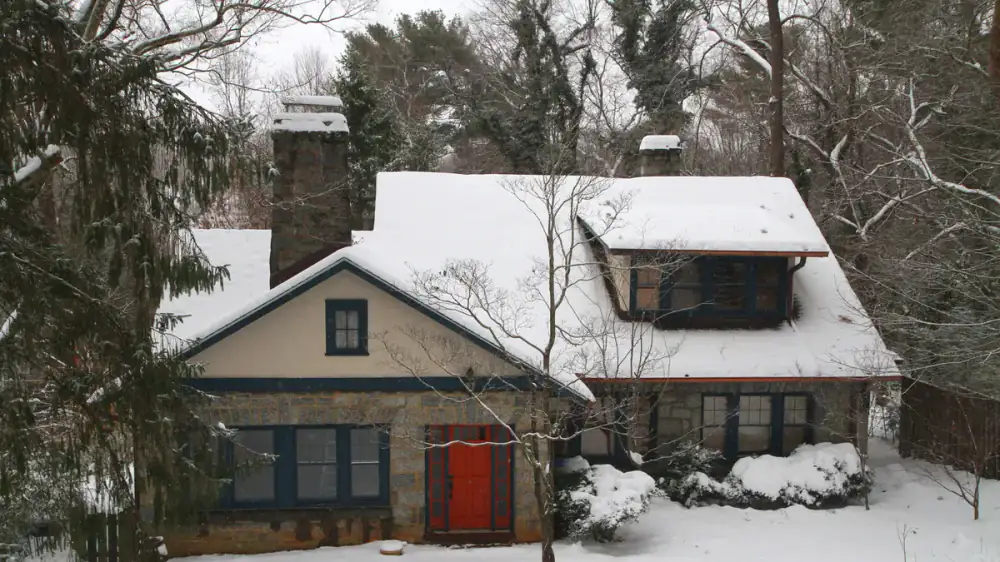
Winter Exterior Home Maintenance Checklist
A grouped, printable winter checklist for snow, ice, frozen gutters and storm damage — built entirely around safe, ground-level observation and knowing when to call a pro.
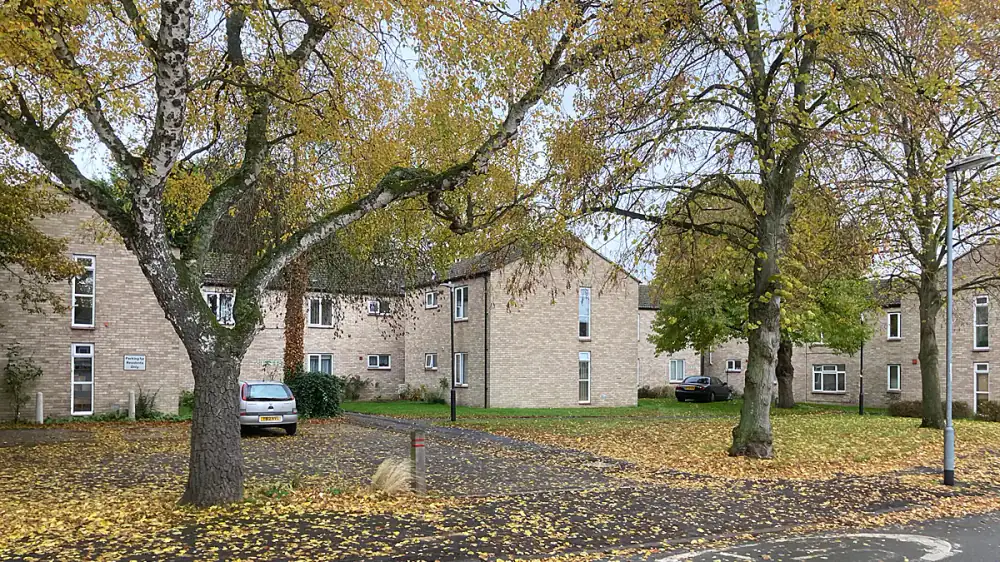
Autumn Exterior Home Maintenance Checklist
A grouped, printable fall checklist for leaves, pine needles, gutter guards, downspouts, roof edge and freeze prep — with an emphasis on safe, ground-level work.
Post-Storm Exterior Inspection Checklist
A grouped, printable checklist for post-storm home exteriors, focused on safe ground-level observation and knowing when to call a roofing professional.