Musty Smell Near Exterior Walls
A damp, earthy odor along an outside wall is your nose detecting trapped moisture. Before it becomes a mold problem, it's worth tracing where the water is coming from.
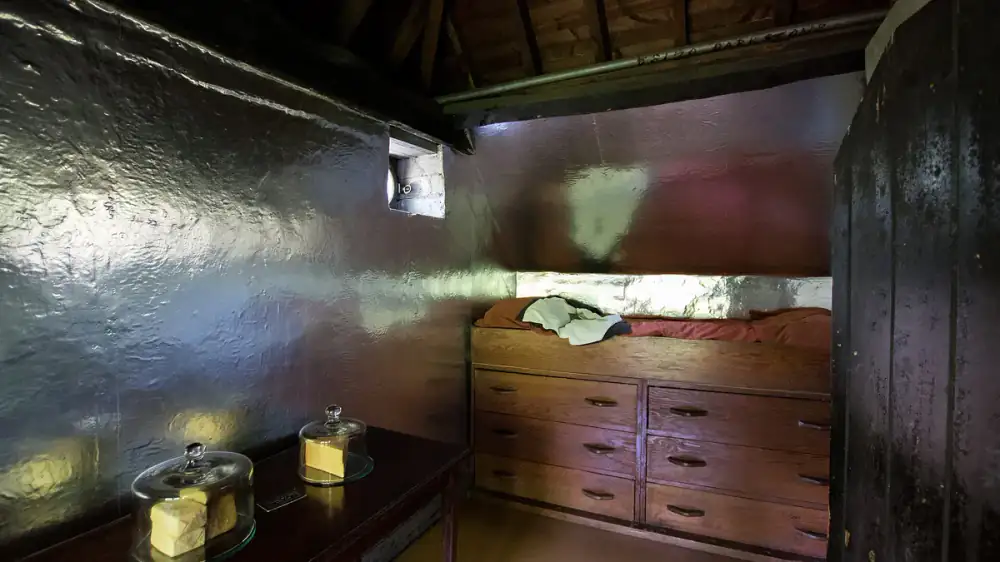
A musty smell near an exterior wall means moisture is being trapped somewhere and feeding microbial growth. The usual sources are poor drainage at the foundation, gutter overflow soaking the base of the wall, splashback, or shaded areas that never dry. Air fresheners and cleaning only mask it — the lasting fix is to trace and stop the water source, then let the wall dry fully.
Long before trapped moisture becomes a stain, a soft spot, or a patch of visible mold, it announces itself with a smell. That damp, earthy odor drifting along an outside wall is your nose picking up the byproducts of something growing on a wet surface. It's an unglamorous early-warning system, but it's a genuinely useful one — catching a moisture problem at the smell stage means catching it while it's still cheap and simple to fix.
Why a smell means water
A musty odor is never really about the smell itself; it's about what the smell is made of. The earthy notes come from microbes feeding on damp material, and microbes only set up where a surface or material stays wet long enough to sustain them. So the odor is, in effect, a moisture detector. It doesn't always mean visible mold has arrived yet — it can be active mold, mildew, or simply saturated organic material beginning to break down — but it always means water is lingering somewhere it shouldn't.
That reframing is what makes the problem solvable. You're not trying to eliminate an odor. You're trying to find the water keeping a wall damp, because once that water stops, the smell has nothing left to feed on.
The usual sources, from most to least obvious
Almost every musty exterior wall traces back to one of a handful of moisture sources. Running through them in order is the fastest way to narrow things down.
Poor drainage at the foundation is the heavyweight. Water that pools against the base of the house keeps the soil and the lower wall saturated, and a wall standing in wet ground rarely gets a chance to dry. If the grade slopes toward the house or a low spot catches runoff, that's a prime suspect — water pools near the foundation covers this failure in depth.
Gutter overflow and downspout placement run a close second, because they deliver roof water to exactly the wrong place. A gutter that spills over, or a downspout that discharges right beside the wall, keeps the base and the adjacent soil constantly wet. When the odor is strongest near a downspout, this is usually why.
Splashback is the quieter cousin. Rain striking hard surfaces near the house bounces back onto the lower siding, keeping it damp; paired with poor airflow, it's enough to feed growth on the wall itself.
Shade and stagnant air turn a minor dampness into a persistent one. A wall crowded by shrubs or a fence, sitting in shade, never gets the light and air movement it needs to dry, so humidity just sits against a slow-drying surface. This is the same trap that defeats repeated washing, as mildew keeps coming back after cleaning explains.
Moisture behind or within the materials is the source that hides. Sometimes the water is in damp soil, around a crawl-space vent, or held inside materials that stay saturated, and the smell shows up before anything looks obviously wrong from outside.
Letting the smell lead you to the leak
The nice thing about a musty odor is that it's directional — where and when it's strongest are clues, and you can chase both from the ground with nothing more than a careful walk around the house. No ladders, no probing.
Start with where. Note which wall the smell centers on and roughly how high it seems to originate; a low, ground-level odor points at drainage or splashback, while a higher one may point elsewhere. Then pay attention to when. An odor that spikes during or right after rain is telling you the source is rain-driven — gutters, drainage, or splashback — rather than something static.
With those two clues in hand, watch the wall during an actual rainfall. Look for gutter overflow, for downspout discharge landing at the base, and for splashback wetting the lower siding. Check the ground for pooling water, soggy soil, or a grade that tips toward the house. Look at exposure and airflow, since shaded walls hemmed in by shrubs hold both damp and odor. And where you can see growth or dark staining, trace it back to whatever is keeping that spot wet. The whole exercise has one aim: to understand why this wall stays damp, because that's exactly what any lasting fix has to change.
Stopping the water, then clearing the air
Once you know where the water lingers, the corrections are mostly common-sense drainage work, and they matter far more than anything you do to the wall's surface.
Redirect the roof and surface water first. Correct gutter overflow and extend downspouts so roof runoff discharges well away from the house, and improve the grade so the ground slopes away from the foundation rather than toward it. Then tackle drainage at the base directly — address low spots and pooling so water drains off instead of standing against the wall. A dry foundation is the single biggest factor in clearing a musty wall.
Open the wall up to light and air, too. Trimming back shrubs and pulling stored items away from the siding lets the surface dry faster between rains, which quietly removes the shaded, stagnant condition that holds odor.
Cleaning comes last, not first, and only after the wall has dried. Once the moisture source is fixed and the surface is genuinely dry, washing off any visible growth is worthwhile; doing it while the wall is still wet just invites the smell straight back. Why green growth keeps returning on siding makes the same point — the condition, not the cleaning, is what makes it stop.
A few reactions are pure waste of effort. Masking the odor with air freshener or a quick scrub does nothing while the wall stays damp. Stacking mulch, soil, or stored items against the siding traps moisture and blocks drying. And a smell that spikes after every rain shouldn't be ignored, because that pattern points to an active water source worth tracing now rather than later.
Where the trail goes past the yard
Some sources sit beyond what an outdoor walk can reach, and that's the point to bring in a professional. Chasing moisture into the foundation, a crawl space, or the wall interior yourself isn't advisable if it isn't obvious from outside — that kind of investigation is better left to someone equipped to do it safely.
Call a pro when the smell persists after you've corrected the obvious outdoor sources, when you suspect moisture behind the wall or in a crawl space, or when visible mold has spread beyond a small surface patch. Diagnosing hidden moisture, foundation drainage, and any growth that may affect indoor air quality is work for someone with the right tools — and a professional can connect the dots between drainage, gutters, and the wall in a way that's hard to see from a single vantage point. For the wider set of moisture-driven exterior issues, browse related problems, and if deferred upkeep is part of the story, exterior maintenance tasks homeowners commonly ignore makes a useful companion.
Your questions, answered
What causes a musty smell near exterior walls?
A musty smell is the byproduct of microbial growth feeding on trapped moisture. Somewhere near that wall, water is lingering — from poor drainage at the foundation, gutter overflow soaking the base, splashback, or humid air that can't dry out. The odor is a signal that a surface or material is staying damp long enough for mold or mildew to establish, which is why finding the water source matters more than masking the smell.
Is a musty smell always a sign of mold?
Not always, but it's a strong indicator of the conditions mold needs. The earthy, damp odor usually comes from microbial activity on wet materials, which may be active mold, mildew, or simply saturated organic material starting to break down. Whether or not visible mold is present yet, a persistent musty smell means moisture is being trapped somewhere and should be traced.
Why does the smell get stronger after it rains?
Because rain adds the water that feeds the odor. If a smell spikes during or after rain, it points directly to a rain-driven source — gutter overflow running down the wall, poor drainage letting water pool at the base, or splashback wetting the lower siding. Tracking when the smell intensifies is one of the most useful clues to where the moisture is entering.
Can gutters cause a musty smell near the walls?
Yes, quite commonly. A gutter that overflows or a downspout that dumps water right beside the house keeps the base of the wall and the soil against it saturated. That constant dampness is a classic source of musty odor. If the smell is worst near a downspout or a section of gutter that overflows, redirecting that water away from the wall often clears it.
How do I find where the musty smell is coming from?
Start by noticing where the smell is strongest and when. Walk the outside of the house, note which wall and how high, and pay attention to whether the odor worsens after rain. Look for wet soil, pooling water, overflowing gutters, splashback marks, and shaded areas that stay damp. The pattern of where and when usually points to the source without any invasive investigation.
Should I be concerned about a musty smell near my walls?
It's worth taking seriously, though it's rarely an emergency. A persistent musty odor means moisture is being trapped, and trapped moisture over time leads to mold, material damage, and potentially indoor air-quality issues if it reaches interior spaces. Addressing the water source early is far easier than dealing with established mold or deteriorated materials later.
Will cleaning or air freshener get rid of the musty smell?
Only temporarily. Cleaning a visible patch or masking the odor does nothing about the moisture feeding it, so the smell returns as long as the wall stays damp. The lasting solution is to stop the water reaching the wall — correcting drainage, gutter overflow, or airflow — and then letting the area dry fully before any cleaning is worthwhile.
More from this section

Why Green Growth Keeps Returning on Siding
Algae and mold return because cleaning removes the growth but not the shade and moisture that feed it. Fixing those conditions is what makes it stop.
Moss Growing on the Roof: What to Do
Moss takes hold on shaded, damp roof sections and holds moisture against the shingles — but removing it from the roof is risky work for a professional.

Efflorescence: The White Residue on Brick
The white powder on brick is efflorescence — mineral salts drawn to the surface by moisture moving through the masonry and left behind as water evaporates.