Fascia Materials Compared: Wood, Aluminum, Composite and PVC
The board along your eave can be real wood, wrapped metal, a composite, or cellular PVC — and each behaves differently once the weather gets at it. Here's an honest comparison of the four.
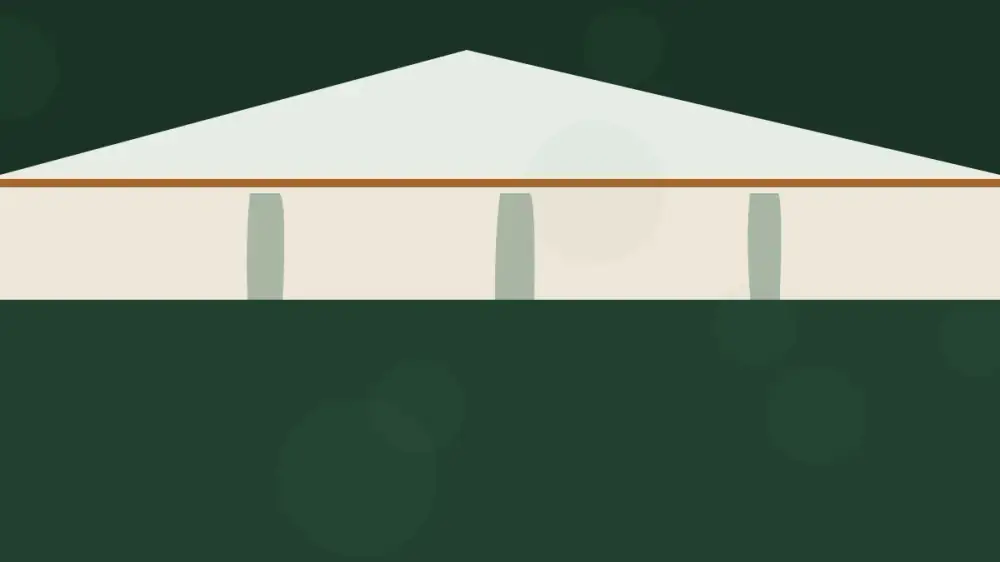
The four common fascia materials mostly differ in how they handle water. Wood looks authentic and repairs easily but rots once its finish fails; aluminum — usually a wrap over wood — cuts painting but dents and can conceal rot; composite resists moisture while keeping a wood-like face; and cellular PVC ignores water and insects entirely, at a higher price and a plasticky look up close. The best pick follows your climate, your home's style, and the maintenance you'll genuinely keep up.
The fascia is the least glamorous board on the house and one of the hardest-working. It caps the rafter tails, gives the gutters something to bolt to, and closes the eave against weather and wildlife — all while sitting exactly where roof runoff, wind-driven rain, and sun converge on the same strip of trim. So when it's time to replace or upgrade it, the material is not a cosmetic afterthought. It's the decision that sets how the whole edge holds up for the next couple of decades.
There's a reason this question never resolves into a single winner: each of the four common materials attacks the fascia's core problem — moisture — from a completely different direction. One fights it with a finish, one hides behind metal, one is engineered to resist it, and one simply doesn't care. Here's an honest look at what each does well, where each lets you down, and how to fit one to your house.
Wood, and its lifelong argument with water
Solid wood — pine, cedar, fir, or a similar softwood — is what most older homes wear, and it's still spec'd on plenty of new ones. Its strengths are genuine: it takes paint and stain the way nothing synthetic quite matches, it suits historic and traditional architecture without a false note, and it is endlessly repairable, since a carpenter can splice in a fresh section without touching the rest of the run.
The weakness comes down to a single word — moisture. Wood at the eave survives only as long as its finish does. Kept painted and sealed, it lasts for decades; let the paint fail, and water reaches the grain, and wood that stays wet decays. Neglected boards are one of the leading sources of fascia rot, and the damage often creeps along behind a coat of paint that still looks intact. Wood is the right call for owners who value the look and will keep the maintenance rhythm — and a slow disappointment for those who won't.
Aluminum, which mostly means a wrap
Aluminum reaches the eave two ways. True aluminum fascia is a formed metal board, but far more common is capping: a sheet of pre-finished aluminum bent to fit over an existing wood board. Either way, the pitch is low upkeep — aluminum doesn't rot, doesn't feed insects, and its factory finish means little to no repainting for years.
The tradeoffs deserve to be stated plainly. Aluminum dents under a ladder, a branch, or hail. Its finish can chalk and fade with time. And with a wrap, the crucial fact is that the wood is still under there: if moisture gets behind the metal and can't dry, that board rots invisibly while the outside stays flawless. We dig into that specific dynamic in our comparison of aluminum vs. wood fascia, because the hidden-rot risk is the single most important thing to understand before capping anything.
Composite, the negotiated middle
Composite fascia blends wood fibers with plastics or resins, capturing much of wood's look with far more resistance to water. It doesn't drink moisture the way bare wood does, so it resists rot, warping, and insects while still cutting, routing, and fastening with familiar tools. For a homeowner who wants a paintable, wood-adjacent eave without the full maintenance cycle, composite is a real sweet spot.
It isn't magic, though. Cut edges are the weak point — leave them unsealed, or install the board carelessly, and moisture can still find a way in. Composites also vary widely by brand and formulation, so the word covers everything from excellent to mediocre. As a category, however, it earns its place as the honest compromise between wood's character and PVC's imperviousness.
Cellular PVC, which opts out of the problem
Cellular PVC simply ignores the fight wood spends its whole life losing. It's a rigid plastic board that won't rot, won't absorb water, and won't feed insects, so the moisture-and-decay cycle that governs wood essentially doesn't apply. It comes primed or pre-finished, holds paint if you want to recolor it, and stays dimensionally stable in wet climates — a strong argument in a rainy or humid region.
The costs are aesthetic and financial. Up close, PVC reads as plastic; the grain and warmth of real wood aren't there, though many owners never notice at fascia height. It tends to sit at the higher end for material cost, and it moves with temperature, so it wants installers who plan for expansion. Choose it when freedom from rot outweighs authenticity or the lowest price.
The four at a glance
| Factor | Wood | Aluminum (wrap) | Composite | Cellular PVC |
|---|---|---|---|---|
| Rot resistance | Low without upkeep | Metal won't rot; wood beneath can | High | Very high |
| Painting upkeep | Regular | Little to none | Occasional | Optional |
| Look | Authentic, warm | Clean painted metal | Wood-like | Plastic up close |
| Impact resistance | Dents/cracks under force | Dents from ladders, hail | Good | Good |
| Field repair | Easy to splice | Wrap must come off to inspect | Straightforward | Straightforward |
| Cost tendency | Low-to-moderate material | Low (wrap over existing) | Moderate | Higher |
| Best for | Historic, hands-on owners | Sound existing wood, low upkeep | Balance seekers | Wet climates, set-and-forget |
Read the table as a starting point, not a ruling. Cost in particular swings with your region, the length of the runs, and whether you're wrapping existing wood or replacing it outright, so think in terms of these levers rather than a fixed figure.
Fitting the material to the house — and the rest of the edge
A few patterns hold up reliably. Historic and traditional homes usually look right in wood, and the owners who care about that look are often the ones willing to maintain it. Wet, humid climates strengthen the case for PVC or a good composite, where beating moisture pays the biggest dividend. Aluminum wrapping makes the most sense when the existing wood is genuinely sound and dry and the only goal is to retire the paintbrush — never as a way to bury a board that's already on its way out.
And because the fascia carries the gutters and closes the soffit, choosing a material that stays stable keeps the rest of the edge in place too. The soffit choice interacts with all of this; our companion guide to soffit materials compared covers the underside of the same eave. For how the fascia fits with everything else along the run, start with our roof edge overview.
A word on doing the work
Whichever material wins, the fascia lives at the roof edge, which makes replacing it height work — ladders, footing, and a real fall risk — and the material choice is only half the job anyway. The other half is installation: flashing it correctly, coordinating with the drip edge and gutters, and confirming the wood behind any existing wrap is sound before it disappears under new cladding. So keep your role to comparing materials and spotting trouble from the ground, and hand the cutting and fitting to a qualified contractor. Bring one in when you're planning a real fascia project, when existing boards look stained, soft, or loose, or when you suspect a wrap is hiding rot — someone who can assess what's up there, recommend the right material for your climate and style, and install it so water is steered away from the edge rather than trapped against it.
Frequently asked questions
Which fascia material lasts the longest?
PVC and quality composites tend to win on raw longevity because they don't rot or feed insects, and they shrug off moisture that would eventually destroy unprotected wood. That said, well-maintained wood can last for decades, and aluminum-clad wood lasts as long as the hidden board stays dry. Longevity depends as much on installation and upkeep as on the material itself.
Is PVC fascia better than wood?
For low maintenance and moisture resistance, cellular PVC has real advantages — it won't rot, warp from water, or need repainting the way wood does. Wood wins on authenticity, easy field repair, and suiting historic or traditional homes. Neither is universally better; PVC trades character and some cost for freedom from the upkeep cycle that wood demands.
Does composite fascia rot?
Most composites are engineered to resist rot far better than plain wood because they combine wood fibers with plastics or resins that don't absorb water the same way. They're not indestructible — cut edges and poor installation can still let moisture in — but the rot resistance is a major reason people choose composite over solid wood at the eave.
Why is so much fascia aluminum-wrapped instead of solid?
Wrapping a wood fascia board in bent aluminum gives a painted, low-maintenance face without the cost of replacing the whole board. It's fast, freshens the look, and cuts repainting. The catch is that the wood underneath still exists and can rot if moisture gets trapped behind the metal, so a wrap is only as good as the dry, sound board beneath it.
Can I install new fascia myself?
Fascia runs along the roof edge, so replacing it is height work that involves coordinating with the drip edge, gutters and soffit — a combination best handled by a professional. From the ground you can compare materials and spot problems, but the cutting, fitting and flashing at the eave should be left to a pro who can keep water directed away from the edge.
Does the fascia material affect the rest of the roof edge?
It does. The fascia carries the gutters and closes off the soffit, so a board that swells, rots or pulls loose can loosen gutters and open gaps for water and pests. Choosing a material that stays stable and sheds water helps the whole roof edge — fascia, soffit, drip edge and gutters — keep working as one system.
Related reading
How Gutters Damage Fascia When They Overflow
Overflow sends water onto and behind the fascia, rotting the board and loosening hangers — then the gutter sags and overflows more. Here's the cascade and how to stop it.
Signs Soffits Have Moisture Damage
Staining, sagging, peeling paint, pests and mold under the eaves all signal soffit moisture damage. Here's what causes it and when to call a pro.
Water Stains Below the Roof Edge
Stains under the eave are a map of misdirected water — overflow, water behind the gutter, drip edge trouble, ice dams or condensation. Here's how to read them.