Aluminum vs. Wood Fascia: A Practical Comparison
Wood fascia looks right and takes paint beautifully, but it needs upkeep. Aluminum and aluminum-wrapped fascia trade some of that maintenance for other tradeoffs. Here's how they compare.
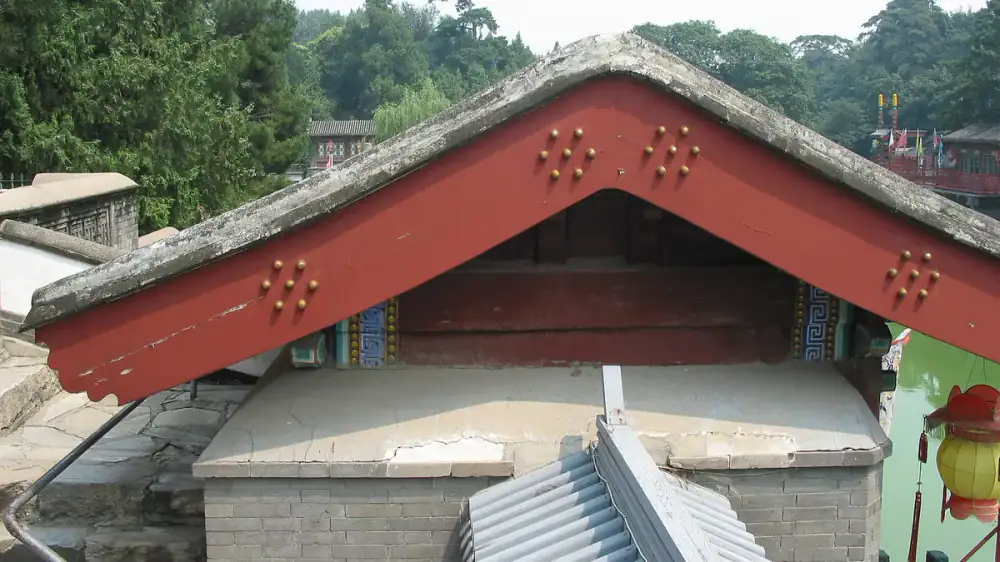
The honest way to frame this isn't wood versus aluminum — it's maintenance you can see against risk you can't. Wood fascia stays paintable, classic and repairable, but it decays the moment its finish quits. Aluminum, usually a wrap over that same wood, trades the painting cycle for dents and a face that can hide rot in the board beneath. Match the choice to your climate, your home's character, and how honestly you'll keep an eye on the edge.
Most comparisons of these two materials read like a scorecard, as if you could add up points and crown a winner. The edge of a roof doesn't work that way. Wood and aluminum fail for opposite reasons, and understanding those failure modes tells you more than any list of pros and cons. Wood punishes neglect out in the open. Aluminum, especially the wrapped kind that covers the vast majority of "aluminum fascia" you'll actually see, quietly relocates the risk to a place you can't inspect without taking it apart.
The tradeoff nobody spells out
Everything about this decision comes back to one question: when something goes wrong, will you know?
With wood, you will. A finish that's failing announces itself — chalky paint, a hairline crack at a joint, a dark streak. The decay follows the visible warning, so a homeowner who looks up now and then has time to act. The cost is that the warnings keep coming, and each one asks for work.
With an aluminum wrap, the metal itself is nearly indestructible against weather, but it's only a skin. The wood it covers is still doing the structural job, and if moisture slips behind the cladding and can't dry, that board rots on its own schedule while the outside stays crisp and clean. You've bought quiet — and sometimes silence is just a problem you haven't heard yet. This dynamic is the single most important thing to grasp before capping anything, which is why it gets its own treatment in what a fascia wrap or cover is.
What wood asks of you
Solid wood fascia is a plain board — pine, fir, cedar — running the length of the eave, and its appeal is straightforward. It takes paint and stain the way plastics never quite do, it sits right on a historic or traditional house, and it's genuinely repairable: a carpenter can cut out a bad two feet and splice in fresh stock without disturbing the rest of the run.
Its whole life, though, is a contest against water, and its armor is the finish. Sealed and painted, wood at the eave lasts a long time. Let the paint blister and peel, and rain finds the exposed grain; wood that stays wet is wood that decays. That's the rhythm wood demands — inspect, spot-treat, repaint on a cycle — and it's why neglected boards are among the most common sources of fascia rot. None of this is hard. It just never fully stops.
What aluminum changes — and what it moves out of sight
Aluminum reaches the eave two ways. True aluminum fascia is a formed metal board. Far more common is capping: a sheet of pre-finished aluminum bent on site and fitted over the existing wood. Both deliver the same headline benefit — the metal doesn't rot, doesn't feed insects, and its factory color means little or no repainting for years. A wrap can also make a tired eave look new in an afternoon.
The tradeoffs are real and worth saying plainly. Aluminum dents; a ladder foot, a windblown branch, or a hailstorm leaves marks that wood would have shrugged off. Its finish can chalk and dull over the years. And the wrap only ever covers the wood — it doesn't replace it. Cap a board that's already damp or starting to go, and you've sealed moisture against it and hidden the evidence. Wrapping belongs over wood that is sound and dry, full stop.
Reading the two side by side
| Factor | Wood fascia | Aluminum / wrapped fascia |
|---|---|---|
| Appearance | Classic, natural, suits traditional homes | Clean, uniform, modern painted-metal look |
| Painting upkeep | Regular repainting and sealing needed | Little to none for years |
| Rot resistance | Vulnerable if the finish fails | Metal won't rot; wood beneath a wrap still can |
| Impact resistance | Dents less; can dent or crack under force | Dents from ladders, branches, hail |
| Repairability | Section can be cut out and replaced | Wrap may need removal to inspect or fix wood |
| Hidden problems | Visible as it happens | Can hide moisture and rot behind the metal |
| Best suited to | Historic, traditional, hands-on owners | Low-maintenance goals, sound existing wood |
Read the table as a set of levers, not a verdict. Weight visibility and repairability if you value tradition and don't mind the upkeep; weight low maintenance and impact if your goal is to stop thinking about the eave — provided the wood up there is genuinely healthy.
Choosing for your actual house
A few honest questions usually settle it. Is the home historic or traditional, where painted wood simply looks correct? Lean wood, and accept the maintenance as part of the deal. Is the existing fascia sound, dry, and mainly tiring to keep repainting? A wrap is a reasonable way to retire the paintbrush. Is the board already stained, soft, or suspect? Then neither wrapping nor a quick coat of paint is the answer — the wood needs to be dealt with first, because covering a failing board only buries the problem deeper.
Whatever you choose, remember the fascia doesn't work alone. It carries the gutters and closes off the soffit, so a material that stays put keeps the rest of the edge working; our roof edge overview walks through how the pieces protect one another.
The part that isn't about the material at all
Both of these boards live at the very lip of the roof, which means every decision about them is also a decision about working at height. Confirming what's behind an existing wrap, replacing a run, or even getting a close look at a suspect section is ladder-and-edge work, and the drop is unforgiving. From the ground you can note the warning signs; the hands-on part belongs to someone equipped to do it safely, ideally the same pro who can tie the fascia back into the drip edge and gutters. If the comparison is pushing you toward a full job, what to expect when replacing fascia and soffit walks through the process, and for the finish-and-care side of natural trim, see our notes on exterior wood trim. Bring a pro in when you're actually choosing for a project, when the current fascia looks stained or soft, or whenever you suspect a wrap is quietly hiding rot.
Answers to common questions
Is aluminum fascia better than wood?
Neither is simply better; they trade different strengths. Wood fascia is solid, takes paint well and suits traditional homes, but it needs regular painting and sealing to resist moisture. Aluminum fascia and aluminum wraps over wood resist rot and cut painting upkeep, but they can dent, and a wrap can hide moisture problems in the wood beneath. The right choice depends on your house, climate and how much maintenance you want.
Does aluminum fascia rot?
Aluminum itself doesn't rot, which is part of its appeal. But most aluminum at the eave is a thin cover or wrap over a wood fascia board, and that hidden wood can still rot if moisture gets behind the metal and can't dry out. So the honest answer is that the aluminum won't decay, but the structure behind it can, and you may not see it happening.
Why do people wrap wood fascia in aluminum?
Wrapping, or capping, covers a wood fascia board with bent aluminum to give a low-maintenance, painted-metal face that doesn't need repainting. It's popular because it freshens the look of the eave and reduces upkeep. The catch is that wrapping only works well over sound, dry wood; wrapping over damp or already-rotting fascia seals in moisture and hides the decay.
Which lasts longer, aluminum or wood fascia?
With proper maintenance, well-kept wood fascia can last a very long time, but it depends entirely on staying sealed and painted. Aluminum resists the moisture and insects that shorten wood's life, so it often needs less attention to keep looking good. Durability comes down to upkeep for wood and impact resistance for aluminum, rather than one material always outlasting the other.
Can I replace wood fascia with aluminum myself?
Fascia work happens at the roof edge, which is height work best left to a professional. Beyond the fall risk, correctly handling the fascia means coordinating with the drip edge, gutters and roof edge, and confirming the wood behind any wrap is sound. A pro can assess the existing fascia, choose the right approach and install it so water is directed away from the edge rather than trapped against it.
Does aluminum fascia need any maintenance?
Less than wood, but not none. Aluminum can dent, its finish can chalk or fade over years, and seams or edges can let water behind it if they're not sound. The bigger maintenance question with wrapped fascia is watching for signs that the wood underneath is holding moisture, since that damage is hidden. Occasional inspection matters even with a low-maintenance material.
How do I know if wrapped fascia is hiding rot?
Look for clues the metal can't fully mask: staining that bleeds through or around the wrap, a wrap that looks bulged, wavy or loose, gaps at the seams, or soft spots you can feel if the metal flexes under light pressure. A musty smell or peeling nearby paint can also hint at trapped moisture. Any of these is a reason to have a professional look behind the wrap.
Keep reading
How Gutters Damage Fascia When They Overflow
Overflow sends water onto and behind the fascia, rotting the board and loosening hangers — then the gutter sags and overflows more. Here's the cascade and how to stop it.
Signs Soffits Have Moisture Damage
Staining, sagging, peeling paint, pests and mold under the eaves all signal soffit moisture damage. Here's what causes it and when to call a pro.
Water Stains Below the Roof Edge
Stains under the eave are a map of misdirected water — overflow, water behind the gutter, drip edge trouble, ice dams or condensation. Here's how to read them.