Roof Edge and Wind Uplift: Why the Edge Matters Most
In a windstorm, the roof edge takes the hardest hit. Uplift concentrates right where the shingles, drip edge and fascia meet — which is why damage so often starts there.
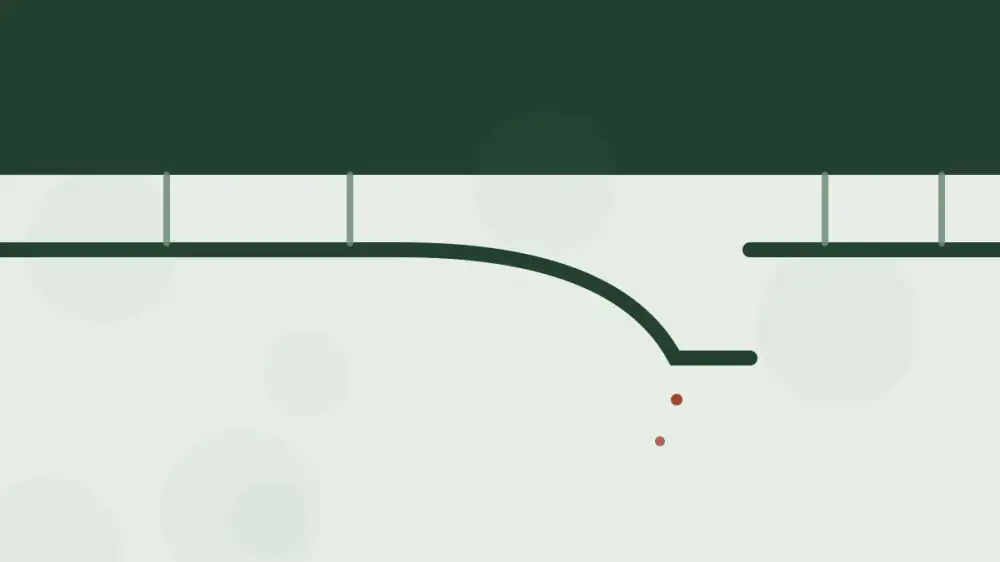
In high wind, the roof edge takes the hardest hit. Wind speeds up and creates the most suction, or uplift, at the eaves, rakes and corners, so the shingles, drip edge and fascia there feel far more force than the middle of the roof — and the edge is the first surface wind can get under. Once an edge shingle or the drip edge lifts, wind and water reach the fascia and deck beneath. That's why storm damage so often starts at the edge, and why the warning signs to watch for live right along the eaves and rakes.
The mental image most people carry into a storm is wrong in a useful way. We picture wind shoving down on a roof, flattening it against the house. What actually happens is closer to the reverse: moving air lifts the roof, and it lifts unevenly, concentrating its pull at a few predictable places. Once you understand that, the pattern of damage a storm leaves behind stops looking random and starts looking almost inevitable — and it explains why crews inspecting after high wind head straight for the edges.
The wind pulls up, not down
Air can't stop when it meets a house; it flows up and over the roof, and in doing so it accelerates, especially where it has to peel away from a hard edge. Fast-moving air is low-pressure air, and low pressure above the roof means suction — a pull upward on the covering. Add the air that works its way under the edge or into the attic and pushes from below, and you get uplift: a net force trying to lift the roof off, not hold it down.
Crucially, that force isn't spread evenly across the roof. It spikes wherever the wind speeds up most — the eaves, the rakes, and above all the corners, where airflow separates hardest. The broad middle of the roof, the field, feels comparatively little. That single fact of uneven distribution is the whole reason the edge is the danger zone rather than the center.
Where the peeling begins
Two things conspire to make the edge the first thing to go. The obvious one is that the force is simply higher there — suction at an eave or corner can run several times what the field experiences, so the same shingles and flashing are asked to hold against much more.
The subtler one is leverage. Wind can't get purchase on a shingle sealed to its neighbors on all four sides; there's nothing to grab. But an edge shingle presents an exposed lip. Let the wind slip under that lip and break its adhesive seal, and it now has a handhold — and every gust after that pries the failure a little further inward. Plenty of damage that ends up in the middle of a roof actually began at the edge and unzipped from there.
This is exactly why the parts along the edge earn their keep. The drip edge and the starter course are what pin the perimeter shingles down and deny the wind that first lip to work under. Sound and secured, they let the edge resist; loose or missing, they hand the storm its opening.
How an edge comes apart
Left to progress, wind damage at the edge tends to run in a recognizable order:
- A seal breaks. Repeated flexing snaps the adhesive bond holding an edge shingle down.
- Shingles lift and curl. Freed at the lip, they start to peel back with each gust.
- The drip edge is stressed. Uplift tugs at the metal and its fasteners until it bends, loosens, or pulls away.
- Wind and water get underneath. With the edge open, driven rain reaches the fascia, soffit, and deck.
- Components go. Shingles tear free, the drip edge detaches, and the exposed wood begins to drink.
That last stage is where wind damage quietly becomes water damage. An edge opened by a storm is an edge that now leaks, and moisture reaching the fascia is the front end of eventual fascia rot months later.
Checking after the storm, feet on the ground
When the wind drops, the smart inspection happens from the yard — binoculars in hand, walking the perimeter and the lawn — not from a ladder. A wind-loosened edge is precisely the wrong thing to lean weight against, and getting onto a roof to check for storm damage adds real risk to a job a professional can do safely. So look, don't climb.
From the ground, scan the eaves and rakes for lifted, curled, or creased shingles, and for outright gaps where shingles have gone missing. Check the drip edge line for metal that's bent, loose, or pulling away. Walk the yard and driveway for shingle fragments and debris thrown down by the storm, and glance at the gutters for a fresh load of granules — a sign the shingles took a beating. New staining on the fascia, water running behind the gutter, or a gutter that's suddenly sagging all point to water that found its way in at a stressed edge.
A few honest cautions on reading what you find. An edge that looks fine from below can still have broken seals and loosened fasteners that only show up on close inspection, so "it looks okay" isn't the same as "it's undamaged." Small lifted shingles don't stay small — once the wind has a grip, the next storm widens the tear. And water appearing behind a gutter after a blow is usually getting in at a lifted edge, not from a gutter fault, so don't stop at blaming the trough. Because so much of this hides above eye level and all the repair work is height work, anything you spot from the ground is the cue to bring in a professional, who can check the seals and fasteners safely and resecure the edge before the next storm drives the damage further. High wind often travels with hail, so it's worth pairing this look with what to check after a hailstorm; for how the edge is meant to protect the fascia and soffit as a whole, start with the roof edge overview.
Answers to common questions
What is wind uplift on a roof?
Wind uplift is the lifting force wind exerts on a roof. As air flows over and around the house, it speeds up at the edges and corners and creates suction that pulls upward on the roof covering. Instead of pressing the roof down, high wind tries to peel it up, and that pulling force is strongest right at the edges where the airflow separates.
Why does the roof edge fail before the middle?
Because that's where uplift is strongest. Wind accelerates and creates the most suction at the eaves, rakes and corners, so the shingles and flashing there feel far more force than those in the middle of the roof. The edge is also the first surface the wind can get under. Once it lifts an edge shingle, it has a grip to work the damage inward.
How does wind damage the fascia and drip edge?
Uplift tugs on the drip edge and the shingles it holds, and repeated gusts can loosen fasteners, bend the metal, or peel it away from the roof edge. Once the drip edge or edge shingles lift, wind and water reach the fascia and roof deck underneath. Over time that means loosened boards, water intrusion and the kind of edge damage that invites rot.
What are the signs of wind damage at the roof edge?
From the ground, look for lifted, curled or missing shingles along the eaves and rakes, a drip edge that's bent or pulling away, granules washed into the gutters, and debris or shingle pieces in the yard after a storm. Water running behind the gutter or new staining on the fascia can also point to edge damage that let moisture in.
Can I inspect for wind damage myself?
You can safely check from the ground with binoculars and walk the yard for fallen debris after a storm. What you shouldn't do is climb onto the roof or lean a ladder against a possibly loosened edge; that's height work with added risk after wind damage. If the ground-level view raises concerns, a professional should take it from there.
Does a properly installed roof edge really resist wind better?
Yes. A sound roof edge, with the drip edge and starter course secured and the shingles bonded down, gives wind far less to grab. Loose, lifted or missing edge components hand the wind a starting point. That's why keeping the edge in good repair matters so much for how a roof holds up in a storm, even though the specific work belongs to a professional.
What should prompt a professional inspection after a windstorm?
Lifted or missing shingles, a bent or detached drip edge, debris on the ground, or new staining and water behind the gutter after high wind should all prompt a call. Even an edge that looks mostly intact can hide loosened fasteners and broken shingle seals you can't see from below. A professional can inspect it safely and catch damage before the next storm worsens it.
How Gutters Damage Fascia When They Overflow
Overflow sends water onto and behind the fascia, rotting the board and loosening hangers — then the gutter sags and overflows more. Here's the cascade and how to stop it.
Signs Soffits Have Moisture Damage
Staining, sagging, peeling paint, pests and mold under the eaves all signal soffit moisture damage. Here's what causes it and when to call a pro.
Water Stains Below the Roof Edge
Stains under the eave are a map of misdirected water — overflow, water behind the gutter, drip edge trouble, ice dams or condensation. Here's how to read them.