What Is a Drip Edge and Why It Matters
A drip edge is a small strip of metal doing an outsized job — steering roof runoff into the gutter and off the fascia. Here's how it works and what fails without it.
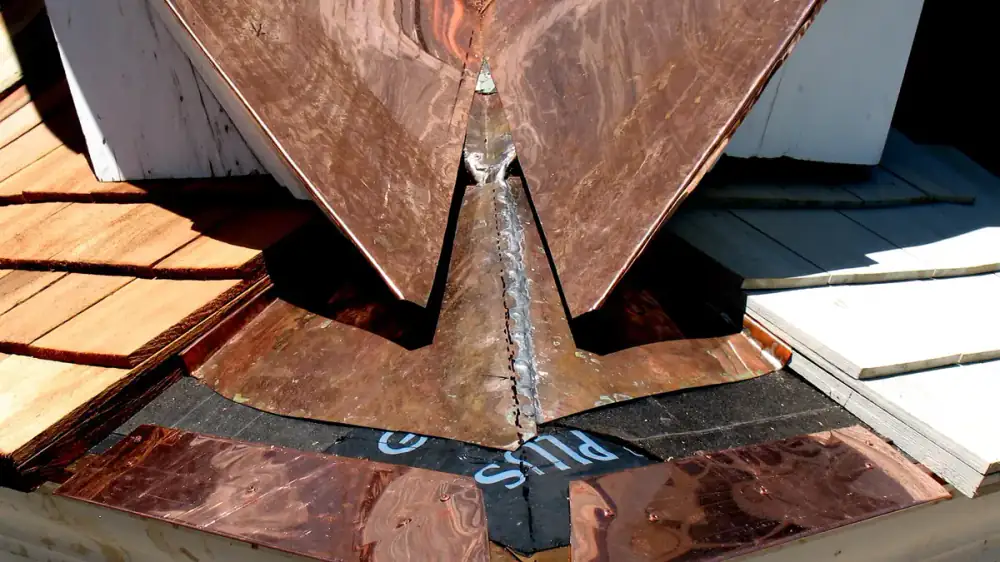
A drip edge is a strip of metal flashing installed along the edge of the roof that carries runoff past the fascia and drops it cleanly into the gutter. Without it, water clings to the roof edge and runs back onto the fascia and roof deck, where it soaks the wood and invites rot. It's small, inexpensive and easy to overlook — but it's one of the most important details protecting your roof edge.
For a strip of metal only a few inches wide, the drip edge punches well above its size. It lives at the very lip of the roof, at the seam where the shingles run out and the fascia begins, and its entire reason for existing is to decide where water goes at that one critical junction. Get it right and runoff drops tidily into the gutter. Get it wrong — or omit it altogether — and water is quietly routed onto the exact wood you most need to keep dry.
Almost nobody thinks about the drip edge until something further along the chain goes wrong: a stained fascia, paint peeling at the eave, water sheeting behind the gutter in a storm. Understanding what this little flashing does turns those baffling symptoms into a story you can actually follow.
A few inches of bent metal
A drip edge is a length of formed metal flashing — usually aluminum, sometimes galvanized steel — that runs along the edges of the roof. Look at it end-on and you'll see a small lip or kick-out at the bottom. That bend is the entire secret. It forces water to break away from the surface and fall, rather than clinging and curling back under the edge the way it naturally wants to.
It shows up in two places on most roofs, doing a slightly different job at each:
- At the eaves — the horizontal lower edges where the gutters hang — the drip edge tucks under the first course of shingles and reaches out over the fascia and into the gutter.
- At the rakes — the sloped edges of a gabled roof — it typically sits over the underlayment to shed water away from the rake board.
Of the two, the eave drip edge is the one that matters most for your gutters and fascia, because that's where the great bulk of the roof's water crosses the edge on its way down.
The physics of a clean drop
Here's the part that makes the whole thing click: water doesn't simply fall off a roof. As it runs off the bottom of a shingle, surface tension tugs it back under the edge, where it clings to whatever it meets — the underside of the shingle, the roof deck, the top of the fascia board. That backward curl, the wicking, is the mechanism that soaks wood invisibly over months and years. It's not dramatic; it's just relentless.
The drip edge breaks the tension. Its lower lip hands the water a clean edge to release from, so instead of curling back it lets go and drops into the gutter waiting below. Functionally, the flashing extends the roof surface just far enough past the fascia to guarantee that runoff lands in the trough rather than behind it. A few inches of the right bend defeats a force that would otherwise win by patience.
Partners, not substitutes
This is where a lot of homeowners go wrong, so it's worth stating plainly: the drip edge and the gutter are partners, not stand-ins for each other. The gutter's job is to catch water and carry it away. The drip edge's job is to make sure the water actually reaches the gutter instead of sliding behind it. Neither can cover for the missing half of the other.
When that partnership breaks, the signature symptom is water running behind the gutter. And here's the frustrating twist: people blame the gutter, assuming it's clogged or pitched wrong, when the real fault is that the water never made it into the gutter in the first place — because there was no drip edge to guide it there. Either way, the fascia is the piece that pays.
What a missing drip edge sets in motion
Leave the drip edge out — or install one that's too short, bent, or wrong — and the curl-back has nothing standing in its way. From there the damage unfolds in a depressingly predictable order:
- Water wicks onto the fascia. Runoff clings to the roof edge and runs down the face of the board instead of dropping clear of it.
- The fascia never dries. Rather than a quick soaking, the board takes repeated wetting, and the paint starts to blister and peel.
- Moisture reaches the deck. Water works behind the gutter and into the roof sheathing and rafter tails at the eave.
- Rot sets in. Wood that never fully dries eventually decays — which is exactly why a missing drip edge is a leading cause of fascia rot.
Because every step of that happens at a seam you can't easily see, the first thing you usually notice is the damage, not the cause. That inversion — symptom visible, source hidden — is precisely what makes the drip edge worth understanding before anything goes wrong.
Spotting one that isn't there — or isn't working
The reassuring news is that most of this checks out from the ground or a stable ladder, without setting foot on the roof. Scan the roof edge and watch for:
- No visible metal lip along the eave — just shingle edges hanging over bare fascia.
- Staining or streaking on the fascia, especially in vertical runs directly below the roof edge.
- Peeling or blistering paint on the fascia near the eave.
- Water sheeting behind the gutter during rain, instead of pouring cleanly from the downspout.
- Rust, dents, or corrosion in whatever metal is there.
- Metal pulling away or separating from the roof edge or the fascia.
- Soft or discolored wood at the fascia and soffit — a sign water has already been getting behind the edge for a while.
Any single one of these earns a closer look; several together are a strong hint the drip edge either isn't there or isn't doing its job. A couple of traps are worth naming while you're at it. Gutters do not make a drip edge unnecessary — they catch water but do nothing to stop it wicking back onto the wood, so you genuinely need both. And a drip edge is not a slip-it-in-from-below afterthought; done right it tucks under the shingles and coordinates with the underlayment, which is why a strip shoved in from beneath rarely helps and can make matters worse. Don't confuse it with a gutter apron either — a related but distinct piece of flashing — and never solve a stained board by wrapping it in aluminum, which only hides advancing rot and seals moisture against the wood.
All of which points to the same place. Drip edge lives where the roof, shingles, and fascia all meet, so correcting it almost always means working at the roof edge — the kind of task to hand to a roofing professional. Call one when you suspect it's missing or too short, when the fascia behind it is already stained, soft, or peeling, when the metal is rusted or separating, or when the fix would mean lifting shingles or climbing onto the roof. A pro can confirm what's actually installed, add or repair it correctly, and check whether water has already reached the fascia, soffit, or deck. And if you're trying to untangle whether your real problem is the drip edge, the gutter, or the board behind it, our guide to how gutters damage fascia when they overflow can help you trace the water back to where it started.
Common questions
What exactly is a drip edge?
A drip edge is a strip of bent metal flashing installed along the edges of a roof, at the eaves and often the rakes. It's shaped so that water running off the roof is carried past the fascia and drops cleanly into the gutter instead of curling back onto the wood. Despite its small size, it protects the entire roof edge from water intrusion.
Do I really need a drip edge if I already have gutters?
Yes. Gutters catch water only once it has already left the roof, and without a drip edge that water can wick back behind the gutter and onto the fascia. The drip edge bridges the gap between the roof surface and the gutter, making sure runoff actually lands in the trough. The two work together — one doesn't replace the other.
What happens to a roof with no drip edge?
Water clings to the underside of the shingles and runs back onto the fascia and roof deck instead of dropping into the gutter. Over time this soaks the fascia board, wicks into the roof sheathing, and can rot the wood at the eave. Missing drip edge is one of the most common reasons water ends up running behind a gutter.
How can I tell if my drip edge is missing or failing?
From the ground, look along the roof edge for a thin metal lip overhanging the fascia and tucking into the gutter. If you see shingle edges sitting directly over bare fascia, staining or peeling paint on the fascia, or rust and separation in the metal itself, the drip edge may be missing, short or damaged. Water running behind the gutter in rain is another strong clue.
Can a drip edge be added to an existing roof?
Sometimes, but it's not always a simple retrofit. Drip edge is meant to tuck under the shingles at the eave and over them at the rake, so adding it correctly usually means lifting shingle courses or coordinating with other roof-edge work. It's a job best handled by a roofing professional rather than a ground-level DIY fix.
When should I call a professional about drip edge?
Call a pro when you suspect the drip edge is missing, when the fascia behind it is already stained or soft, when metal is rusted or pulling away, or when the work involves lifting shingles or climbing onto the roof. A roofer can confirm what's there, correct it, and check whether water has already reached the fascia or deck.
Keep reading
How Gutters Damage Fascia When They Overflow
Overflow sends water onto and behind the fascia, rotting the board and loosening hangers — then the gutter sags and overflows more. Here's the cascade and how to stop it.
Signs Soffits Have Moisture Damage
Staining, sagging, peeling paint, pests and mold under the eaves all signal soffit moisture damage. Here's what causes it and when to call a pro.
Water Stains Below the Roof Edge
Stains under the eave are a map of misdirected water — overflow, water behind the gutter, drip edge trouble, ice dams or condensation. Here's how to read them.