What a Wavy or Sagging Roofline Tells You
A roofline that dips, waves or bows can be nothing more than an old house settling into its character — or it can be the first visible sign of something failing underneath. Here's how to read the difference.
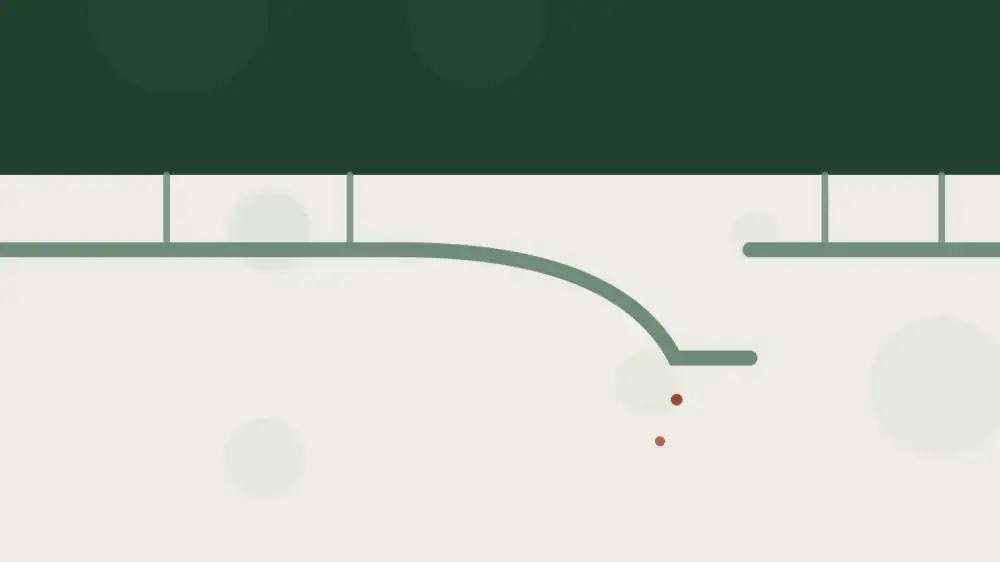
A wavy or sagging roofline is sometimes cosmetic — an old house settled into its character with stable, long-standing waves — and sometimes a structural warning from water-damaged decking, weakened rafters, or overloaded framing. The tell is less the shape than the context: gentle and unchanged usually reads benign; a new, localized, or worsening dip paired with sticking doors, cracks, or moisture at the eave warrants a professional look. When in doubt, get it assessed.
Look down almost any street of older houses and you'll see rooflines that no spirit level would approve of — a soft roll along the ridge, a shallow dip over the porch, an eave that sags a touch at one end. A lot of that is harmless, the sum of decades of settling and slightly imperfect old framing behaving exactly as it always has. Some of it is the clearest outward sign that something beneath the shingles is losing a slow fight. The maddening part, from the sidewalk, is that the harmless version and the serious one can look almost the same.
This isn't a piece that will hand you a verdict of "fine" or "disaster." It's a way of reading the difference — of knowing which clues nudge toward old-house character and which toward "get someone up there to look." With rooflines, the shape by itself is a weak witness. The context around it does most of the testifying.
When a wave is just a long life
Start at the reassuring end, because it's genuinely the common one. Houses settle. Over decades foundations shift a little, framing takes on a gentle deflection, and old plank sheathing under the shingles develops soft undulations that telegraph up through the surface. On a home that's stood eighty or a hundred years, a modest, smooth wave is often nothing more than the record of a long and uneventful life.
Two words describe the benign version: stable and gentle. The distortion is mild rather than sharp, spread across a broad stretch rather than pinched into one spot, present for as long as anyone can remember, and — this is the important part — keeping no bad company. A dry, tight, well-functioning house wearing a soft wave and showing no other symptoms is almost always displaying character, not distress. Think of it as the roof's laugh lines.
When the line is a symptom
Now the other end. A roofline can also deform because something meant to hold it up is giving way. The deck can soften and deflect where chronic moisture has rotted it. Rafters can weaken, bow, or pull free of their connections. Framing can be overloaded — by roofing layered on over the years, by heavy wet snow, by a past remodel that quietly removed or compromised a supporting member. In each case, the line you see from the yard is an inside problem surfacing on the outside.
Structural sag tends to carry itself differently from a cosmetic wave. It's more often localized — a defined dip or bow in one area rather than a lazy roll across the whole roof. It leans toward the pronounced rather than the subtle. And most revealing of all, it can be moving.
The change test
If you take one idea from this article, take that last one: change is the loudest signal a roofline can send. A distortion that's been frozen in place for generations is a very different animal from one that appeared this decade, or that seems to deepen a little each winter. Age can explain a stable oddity. It cannot explain a moving one.
That's why it helps to build a memory of your own roofline — a few photos from the same spot across seasons, a mental note of where the ridge sits against a background tree. A wave that holds still year after year is reassuring evidence. A line you can watch progress is the single best reason to stop guessing and get it evaluated.
How the eave writes on the roofline
There's one version of this worth calling out on its own, because it ties straight to the roof edge. Chronic water at the eave doesn't stop at staining fascia and lifting paint. Given enough time it rots the deck, the fascia, and the rafter tails — the very members that help hold the edge of the roof true. As those soften, the line can begin to sag right there at the edge. So a dip near the eave is sometimes the visible tail of a long moisture story that opened with something as ordinary as a missing drip edge or a failing gutter, the slow decay traced in what causes fascia rot.
That connection is exactly why a minor-looking roofline distortion deserves a second thought. It can be the moment a hidden problem finally shows itself somewhere you can see it. The flashing and edge details that keep water off that structure — covered in roof edge flashing explained — are part of what keeps the line straight in the first place, which is why edge maintenance and structural soundness aren't really separate subjects.
Weighing the evidence
Because the shape alone is ambiguous, read it alongside everything else the house is doing. No single sign decides it, but the pattern usually leans one way.
| Leans cosmetic | Leans structural |
|---|---|
| Gentle, spread-out wave | Localized, sharp dip or bow |
| Long-standing, unchanged | New, or visibly worsening |
| On a very old, settled home | Appeared without the age to explain it |
| No other symptoms | Paired with other trouble |
The right-hand "other trouble" column is where a lot of the real signal hides. Doors and windows below that suddenly bind, fresh cracks in walls or ceilings, trim pulling open at the joints, moisture damage at the roof edge, or a sag you can watch progress season to season — any of these tips an ambiguous line toward the structural reading. A wave wearing none of that jewelry, on a house old enough to have earned it, tips the other way.
There's a floor under all of this, though: gathering clues from the ground is where your job ends. Confirming whether a wave is settled character or an active failure means assessing the deck, rafters, and supports, and that is height and access work for a professional — not a homeowner on a ladder. Bring one in when a dip is new, localized, or visibly deepening; when the change arrives with sticking doors, fresh cracks, or moisture at the eave; when the ridge itself is dipping; or simply when you can't tell character from warning and want to stop wondering. A qualified contractor or structural professional can pin down the cause and say whether it needs watching or repair. For how moisture at the edge quietly undermines the structure that holds the line, and how a home's era shapes what's normal, see the roof edge on older vs. newer homes and our broader roof edge overview.
Common questions
Is a wavy roofline always a problem?
No. Some waviness is cosmetic and simply reflects an old house that has settled over decades, or minor irregularities in older framing and decking. What matters is whether the distortion is stable and long-standing or new and changing. A gentle, long-unchanged wave on a century-old home is very different from a fresh sag that's appeared or worsened recently, which is the kind that warrants a professional look.
What causes a roofline to sag?
Causes range from benign to serious. Long-term settling and old, slightly undersized framing can produce mild sag that's stable. More concerning causes include water damage weakening the roof deck or rafters, overloaded framing, failed or altered structural members, and rot at the supports. Because the same visible sag can come from harmless or serious sources, the cause matters more than the appearance alone.
How can I tell cosmetic from structural from the ground?
Look for corroborating signs. A cosmetic wave tends to be gentle, symmetrical-ish, long-standing and unaccompanied by other trouble. A structural problem more often pairs with things like a localized dip, doors or windows below that stick, cracks, sagging that's visibly getting worse, or moisture damage at the roof edge. You can gather clues from the ground, but confirming the cause requires a professional.
Does a sagging roofline connect to roof-edge problems?
It can. Chronic water at the eave that rots the roof deck, fascia and rafter tails can weaken the very structure that holds the line straight, so a sag near the edge sometimes traces back to long-term moisture at the roof edge. That's one reason roofline distortion is worth taking seriously — it can be the visible end of a hidden moisture-and-rot story.
Should I be worried if the ridge line dips in the middle?
A dip along the ridge is worth attention, though not automatic alarm. On very old homes a modest, stable ridge dip can be long-settled character. A pronounced dip, or one that seems to be deepening, can indicate issues with the ridge support or rafters and is a clear reason to have a professional evaluate it. Because the ridge is central to the roof's structure, changes there are among the more important to check.
You might also like
How Gutters Damage Fascia When They Overflow
Overflow sends water onto and behind the fascia, rotting the board and loosening hangers — then the gutter sags and overflows more. Here's the cascade and how to stop it.
Signs Soffits Have Moisture Damage
Staining, sagging, peeling paint, pests and mold under the eaves all signal soffit moisture damage. Here's what causes it and when to call a pro.
Water Stains Below the Roof Edge
Stains under the eave are a map of misdirected water — overflow, water behind the gutter, drip edge trouble, ice dams or condensation. Here's how to read them.