The Roof Edge on Older vs. Newer Homes: What Changed and Why It Matters
The eave on a 1920s bungalow and a house built last year are solving the same problem in very different ways. Knowing what changed helps you read your own roof edge and maintain it on its own terms.
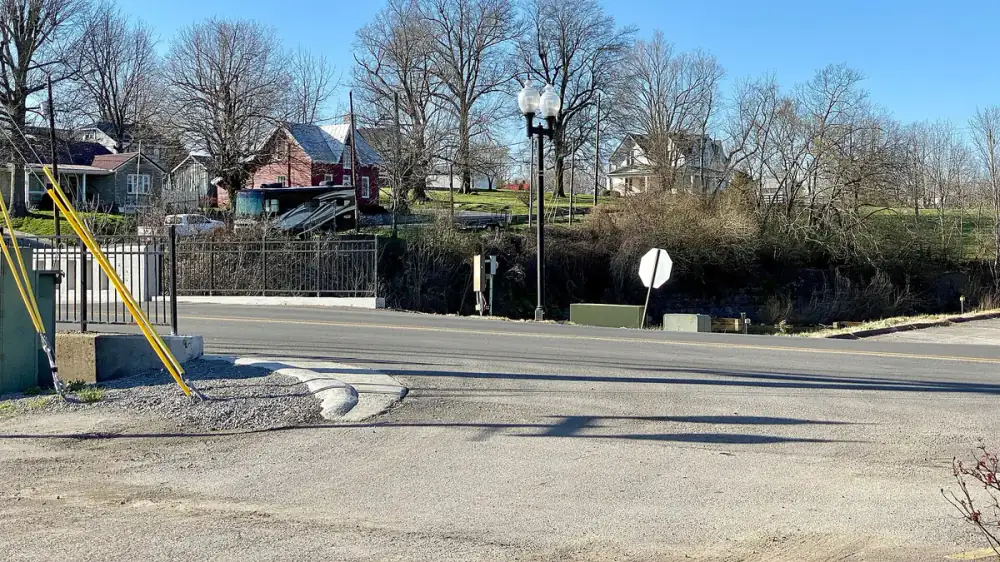
Older and newer roof edges solve the same job differently. Older homes often have open eaves, generous overhangs, and little or no drip edge, ice barrier, or dedicated soffit intake — relying on gables and natural airflow. Newer homes lean on a deliberate system: drip edge, ice-and-water barrier at the eave, and balanced soffit-to-ridge ventilation. Neither is simply better, but knowing which era your edge belongs to tells you what to check and how to maintain it.
Stand under the eave of a 1925 bungalow, then walk over to a house finished last spring and stand under that one. You're looking at two answers to an identical question. Both eaves exist to throw water clear of the wall, shelter the boards beneath, and let the attic breathe. But the bungalow answers with a deep overhang, exposed rafter tails, and solid lumber chosen back when "low maintenance" wasn't a phrase anyone used. The new build answers with a boxed, vented soffit, a thin strip of drip edge, and a membrane at the eave you will never lay eyes on. Between those two answers sits a century of hard lessons, code revisions, and shifting priorities — and reading that gap is genuinely useful, because you cannot look after a roof edge well until you know which kind you have. Advice tuned for a modern eave can be useless, even harmful, on an old one, and the reverse holds too.
Water: trusting geometry, then engineering the edge
The single biggest change is how deliberately the edge controls water. Older roofs frequently had no drip edge at all. They trusted a generous overhang to fling water clear and gutters to catch what came off, betting on geometry rather than flashing. Often that bet paid off — a deep overhang really is protective — but "often enough" left the fascia more exposed to wicking and slow weathering than any current standard would tolerate. It's a large part of why older fascia so reliably looks its age.
Modern practice treats the edge as something to be engineered rather than trusted. Drip edge is now a routine, expected part of the assembly, steering runoff off the fascia and into the gutter, as laid out in what a drip edge is and why it matters. The practical lesson for an older-home owner is blunt: don't assume your edge has drip edge, because it may not — and when that old roof finally gets redone, adding it is usually folded into the job.
The shape of the eave: open then, boxed now
The next change is one you can see at a glance — the shape of the eave itself. Older styles like craftsman, bungalow, and many farmhouses often put the structure on display with open eaves and exposed rafter tails. That wasn't neglect; it was the intended look, and a handsome one. The cost of it, as we discuss in why open eaves need different care, is that exposed framing meets the weather head-on and lives or dies by its finish.
Newer homes overwhelmingly prefer the closed, boxed eave with a soffit panel underneath, for two reasons at once. One is maintenance — panels don't need refinishing the way exposed rafter tails do. The other is ventilation, because a boxed soffit makes continuous vented intake easy to build in. So an older home tends to ask you to tend exposed wood, while a newer one asks you to keep manufactured panels and their vents working. Different chores, same eave, different eras.
How the eave breathes: improvised then, systematic now
The change in how the eave breathes is harder to see but arguably matters most. Older homes often ventilated the attic through gable vents, or simply got away with being leaky — drafty enough that moisture found its own way out without any designed path. Dedicated soffit intake was frequently minimal or absent, and the idea of a balanced intake-to-exhaust loop wasn't where the design started.
Newer construction is built around exactly that loop: vented soffit panels for low intake, ridge or roof vents for high exhaust, working together as described in how roofline and attic ventilation work together. This is where old houses spring a particular trap. When an older home is tightened up with fresh insulation and air-sealing, the "natural" airflow it quietly depended on gets cut off — and if nobody adds proper ventilation to replace it, moisture problems can surface at the roof edge that were never there before. Make an old house more airtight without ventilating it, and the attic starts to sweat.
The layers you'll never see
Some of what changed hides under the roofing entirely. The ice-and-water barrier at the eave — the self-adhering membrane that blocks meltwater backed up behind an ice dam — is a comparatively recent standard. Older roofs in cold climates frequently had nothing equivalent, which is one reason ice-dam leaks were simply chalked up to winter in many older houses. Today that membrane is a routine part of the layered eave detail we describe in the eave detail that fights ice dams. If you own an older home in snow country, it's worth knowing this layer may be absent until the roof is redone — and that its absence, not bad luck, may be the real explanation for a recurring winter stain.
Materials: solid wood, then a mixed palette
Finally the materials themselves shifted. Older eaves were built almost entirely of solid wood — wood fascia, wood soffit, wood rafter tails — chosen for availability and workability in an age of regular repainting. Newer eaves draw on a broader palette: aluminum wraps, vinyl and aluminum soffit panels, composites and cellular PVC, much of it picked specifically to cut down on upkeep. We weigh those options in fascia materials compared and soffit materials compared.
This isn't a straight march of progress, though. Old-growth wood on a well-kept older eave can outlast expectations, and a generous overhang protects better than a stingy modern one. What genuinely differs is the maintenance model underneath: older materials assume ongoing care, while newer ones aim to need as little as possible. Knowing which assumption your eave was built on tells you how much attention it's owed.
Matching your care to your era
Put it all together and a simple habit falls out: figure out which era your edge belongs to, then tailor your care to it.
- On an older home, check whether drip edge and an ice barrier are actually present, because they may not be; keep a close eye on exposed wood if the eaves are open; and think twice before tightening the house up without addressing ventilation.
- On a newer home, the work is mostly keeping the designed system running — soffit vents clear, panels sound, flashing intact — rather than compensating for what was never there.
Neither edge is simply superior. A well-built, well-maintained older eave and a thoughtfully engineered new one both do the job admirably. The real mistake is applying one era's playbook to the other era's roof — which is also where a professional earns their keep. Working out what your edge is actually built from — whether the drip edge and ice barrier exist, whether the ventilation is adequate, whether hidden layers are present — usually means getting onto the roof and into the attic, which is height and access work best left to someone equipped for it. It's worth bringing one in when you're buying or renovating an older home and want to know what its edge does and doesn't have, when moisture appears after an old house has been tightened up, or when a re-roof is on the horizon and you want the modern details added correctly. For the ground-level fundamentals, start with our roof edge overview.
Common questions
Did older homes have drip edge?
Many did not. Drip edge became a routine, expected part of the roof edge relatively recently, so plenty of older roofs were built without it and relied on the overhang and gutters alone to manage water at the edge. That's one reason older fascia often shows more weathering — there was less directing runoff cleanly off the edge. When an old roof is redone today, drip edge is typically added.
Why do older homes often have open eaves?
Exposed rafter tails were a common and even celebrated detail on older architectural styles like craftsman and bungalow homes, so open eaves were normal rather than an oversight. Newer homes far more often use closed, boxed eaves with vented soffit panels, partly for lower maintenance and partly because closed eaves make continuous soffit ventilation simple. Neither is wrong; they reflect different eras and priorities.
How has attic ventilation at the eave changed?
Older homes often ventilated through gable vents or relied on being naturally leaky, with little or no dedicated soffit intake. Newer construction leans on the balanced soffit-to-ridge loop, with vented soffit panels providing continuous low intake. As a result, older homes sometimes have ventilation that's improvised or inadequate by current thinking, which can show up as moisture at the roof edge.
Are newer roof edges better than older ones?
Not simply better — different, with real gains and some tradeoffs. Newer edges usually manage water and ventilation more deliberately with drip edge, ice barriers and balanced venting. Older edges often used generous overhangs and solid materials that have their own virtues. The honest answer is that newer edges reflect lessons learned, while well-built older edges can perform beautifully when maintained.
Does my home's age change how I should maintain the roof edge?
Yes. On an older home, it's worth knowing whether details like drip edge and ice barrier are present, since they may not be, and paying attention to exposed wood if the eaves are open. On a newer home, the focus shifts to keeping the designed system working — clear soffit vents, sound panels, functioning flashing. Matching your care to how your edge was actually built is the point.
You might also like
How Gutters Damage Fascia When They Overflow
Overflow sends water onto and behind the fascia, rotting the board and loosening hangers — then the gutter sags and overflows more. Here's the cascade and how to stop it.
Signs Soffits Have Moisture Damage
Staining, sagging, peeling paint, pests and mold under the eaves all signal soffit moisture damage. Here's what causes it and when to call a pro.
Water Stains Below the Roof Edge
Stains under the eave are a map of misdirected water — overflow, water behind the gutter, drip edge trouble, ice dams or condensation. Here's how to read them.