Heat and UV Effects on Your Home's Exterior
Summer sun is quietly hard on a house. This ground-level guide explains how heat and UV wear paint, sealant, decking and vinyl, and how to spot the damage safely.
Sun wears a house down through two forces working together: heat and ultraviolet light. Paint fades, chalks and eventually peels; caulk hardens and cracks; wood decking grays and roughens; vinyl fades and can turn brittle. It all happens slowly and shows up first on the south- and west-facing surfaces. Nearly every sign is visible from the ground, so inspect on your feet with binoculars for the high spots and leave roof-level or tall-ladder work to a professional.
Of all the forces working on the outside of a house, sunlight is the most relentless and the easiest to ignore. A storm announces itself; UV does its damage in silence, one bright afternoon at a time, until enough fading or cracking or peeling has stacked up that you finally notice. That slowness is actually the good news. Because the deterioration is gradual and almost entirely visible from ground level, you can track it, predict it, and get ahead of the repairs — refreshing a coating before bare material is ever exposed to water, which is when small sun damage turns into a real moisture problem.
Two forces, not one
It helps to separate what the sun is actually doing, because "sun damage" is really two mechanisms. Ultraviolet light is chemical: it breaks down the binders and pigments that hold a coating together and attacks the surface of many materials directly. Heat is physical: it expands and contracts materials through the day, dries out wood, and softens or embrittles plastics. Most of what you will find outside is the two acting together — UV weakens a surface and heat then works it loose. Knowing that also tells you where to look, since the sunniest, hottest surfaces get a double dose.
Before walking the house, set yourself up to see clearly. Pick a bright, dry day, when fading, gloss loss and fine cracking all read plainly. Start on the south- and west-facing elevations, which take the most direct sun and reach the highest surface temperatures, then compare them against a shaded north side to judge how far the wear has actually progressed. Keep binoculars in hand for high trim, the roofline and upper walls — and stay off hot decks, ladders and roofs, where summer surfaces turn slick and tiring and a fall is a far worse outcome than any wear you came to inspect.
What to expect, material by material
Each common exterior material fails in its own recognizable way, and knowing the sequence lets you catch it early rather than at the peeling stage.
| Material | How sun shows up | The early sign to catch |
|---|---|---|
| Paint and coatings | Fading, loss of gloss, chalking, then cracking and peeling | A fine powder that rubs off on your hand |
| Caulk and sealant | Hardening, shrinking, cracking, pulling away from joints | A hairline gap opening at a window or trim edge |
| Wood decking and trim | Graying, raised rough grain, splitting, cupping | Grain you can feel roughen underfoot |
| Vinyl siding | Fading, brittleness, warping near reflected heat | A visible color difference from the shaded side |
The rest of this guide takes those four in turn, with what to look for and where.
Paint: read it before it peels
Coatings take the brunt of the sun and give it away in a predictable order, so you are really watching a progression. Fading and a loss of gloss come first, worst on the sunniest walls and trim. Next is chalking — rub a suspect surface and a fine powder comes off on your palm, an unmistakable sign the binder is breaking down. Only later do cracking, flaking and peeling appear, usually where the film has already thinned. Watch darker-colored elements especially; they run hotter than light ones nearby and often wear a step ahead. The moment that matters is when bare or thinning spots start letting moisture reach the wood beneath — that is the cue to plan a recoat, well before a full restoration becomes necessary.
Sealant: the quiet gaps
Caulk and sealant fail almost invisibly, and the sun is a leading reason. Heat and UV make them harden, shrink and pull away from the surfaces they were meant to bridge, opening thin gaps around windows, doors, trim and every roof or wall penetration. Check the joints you can reach for cracking and hardening, and press gently — brittle, crumbling sealant no longer keeps water out even if it looks intact. Use binoculars for high joints and the sealant near the roofline rather than climbing to them. Mark every failing joint you find; individually they look trivial, but together these small gaps are one of the most common and most easily missed moisture paths into a house.
Wood decking, railings and trim
Horizontal wood surfaces catch intense midday sun and show it fast. Look for graying and a rough, raised grain where UV has broken down the fibers at the surface, and check deck boards and railings for the cracking, splitting and cupping that heat and repeated drying produce. Note anywhere a finish has worn thin or peeled and left the wood exposed, and glance at the fasteners and connections that heat and constant movement can work loose over a season. The goal is to refinish before the wood weathers past the point a coating can actually restore it.
Vinyl siding: durable, not immune
Vinyl handles sun reasonably well, but not indefinitely. Over several seasons, prolonged UV fades it — most noticeably on the sunniest elevations — and heat can leave older or lower-grade vinyl brittle enough to crack. Watch for warping, buckling and sections pulling loose as panels expand and contract with the day. Check near windows in particular for warped or even melted spots, which concentrated reflected sunlight can cause. Comparing a sunny panel against a shaded one is the quickest way to gauge how far fading has gone. For a fuller run through wall surfaces across the year, see the annual siding inspection checklist, and lean on how to inspect the roof edge from the ground when you are checking high trim and sealant near the roofline.
Getting ahead of it
The whole point of ground-level watching is to act while a repair is still small. A few habits keep it that way. Treat fading and chalking as the opening stages of coating failure, not as cosmetic trivia, since ignoring them lets bare material get wet. Recoat before wood shows through rather than after — the difference is a fresh coat versus a restoration. Keep sealant on your radar, because cracked caulk around windows and trim is easy to check and easy to overlook. Go easy with a pressure washer on a hot, sun-tired surface; excess pressure drives water behind siding and finishes off already-weakened coatings. And resist climbing to inspect high spots in the heat when binoculars from the ground are safer and usually good enough.
When the wear outruns simple upkeep — anything at the roofline, on a tall ladder or a second story, or significant damage to siding, decking or coatings beyond a recoat — bring in a painter or siding specialist who can judge whether a surface needs preparation, repair or replacement. Spotting the signs from the ground and describing them clearly makes that visit far more useful. Track sun wear as part of the ordinary routine rather than waiting for a bad year: the monthly exterior home checks keep small changes on your radar, and the summer exterior maintenance checklist sets heat and UV in the context of the whole season.
Frequently asked questions
How does UV damage a home's exterior?
Ultraviolet light breaks down the binders and pigments in coatings and the surface of many materials. On paint it causes fading, chalking and peeling; on caulk and sealant it causes hardening and cracking; on wood decking it grays and roughens the surface; and on vinyl it can fade and grow brittle. The damage is gradual, which is why regular ground-level checks matter.
Which parts of the house take the most sun damage?
South- and west-facing walls, trim and decks take the most direct sun and the highest surface temperatures, so they usually show wear first. Dark-colored surfaces run hotter than light ones. Horizontal surfaces like deck boards and railings get intense midday exposure. When you inspect, start with the sunniest elevations and compare them to shaded sides to gauge how far the wear has gone.
What does sun-damaged paint look like?
Look for fading and a loss of gloss first, then chalking, a fine powder that rubs off on your hand. As it advances you see cracking, flaking and peeling, often worst on the sunniest walls and trim. Bare or thinning spots let moisture reach the material underneath, so fading paint is both a cosmetic issue and an early warning to plan a recoat.
How does heat and UV affect caulk and sealant?
Heat and UV cause caulk and sealant to harden, shrink, crack and pull away from the surfaces they join. That opens gaps around windows, doors, trim and penetrations where water can get in. From the ground you can check the joints you can reach and use binoculars for higher ones. Failing sealant is a common, easily missed source of moisture problems.
How can I check high or hard-to-reach surfaces safely?
Use binoculars from the ground. Fading, peeling paint, cracked sealant at the roofline, and warping on upper trim are all visible from below with a little magnification. Resist the urge to climb for a closer look; summer decks and ladders get hot and slick, and a fall is a far worse outcome than the wear you are inspecting. Leave high work to a professional.
Does vinyl siding get damaged by the sun?
It can. Prolonged UV exposure fades vinyl over time, and heat can make older or lower-grade vinyl brittle, so it cracks more easily. Concentrated, reflected heat, such as sunlight bouncing off certain low-e windows, can even warp or melt nearby panels. Note fading, warping or brittle sections from the ground and have significant damage assessed by a siding professional.
When should I repaint or reseal because of sun damage?
Plan a recoat when you see widespread fading, chalking or the first flaking, and reseal when caulk has cracked, hardened or pulled away from a joint. Doing it before bare material is exposed keeps moisture out and is easier than a full restoration later. Factors that affect the timing include the coating quality, color, exposure and how well the surface was prepared originally.
Related guides
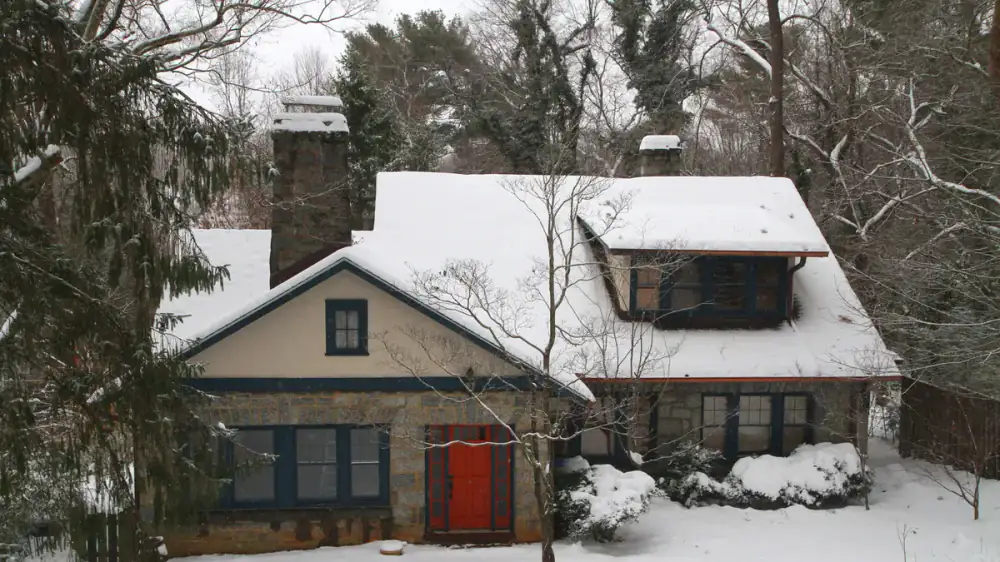
Winter Exterior Home Maintenance Checklist
A grouped, printable winter checklist for snow, ice, frozen gutters and storm damage — built entirely around safe, ground-level observation and knowing when to call a pro.
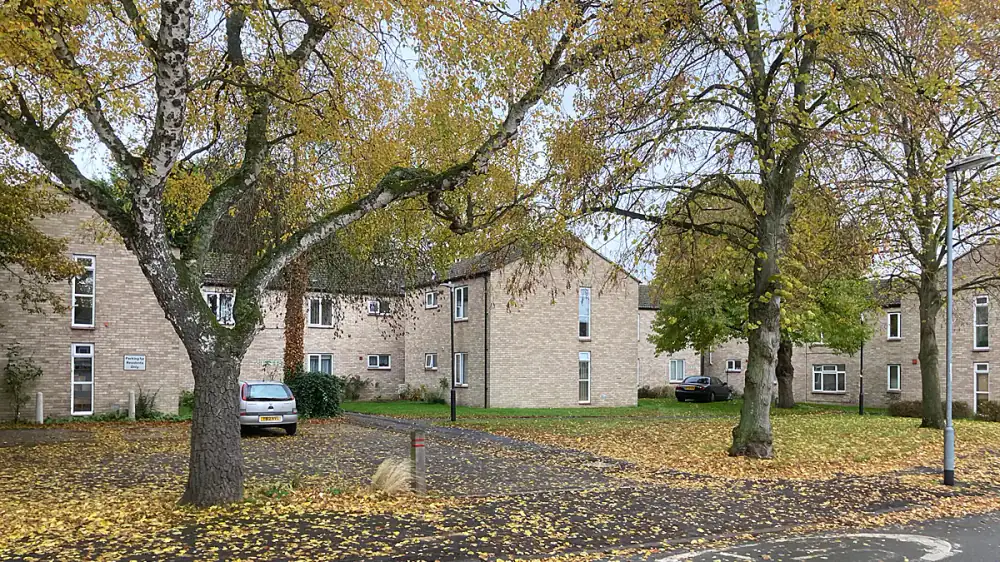
Autumn Exterior Home Maintenance Checklist
A grouped, printable fall checklist for leaves, pine needles, gutter guards, downspouts, roof edge and freeze prep — with an emphasis on safe, ground-level work.
Post-Storm Exterior Inspection Checklist
A grouped, printable checklist for post-storm home exteriors, focused on safe ground-level observation and knowing when to call a roofing professional.