Midwinter Checks You Can Do Safely
Winter looks like a maintenance dead zone, but the coldest months are when a house tells you the most — if you know how to read it from the ground and resist the urge to climb.
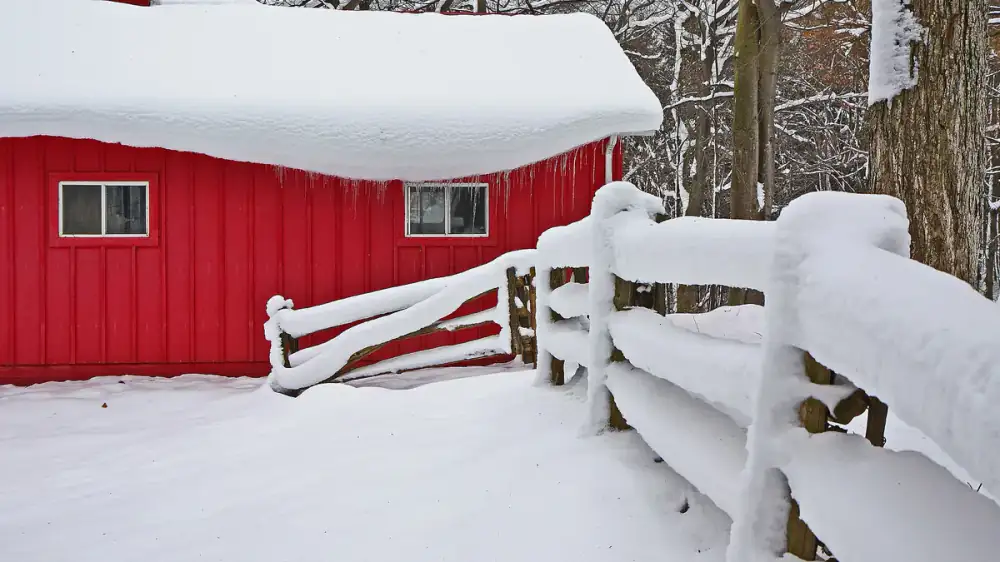
Winter is far from a maintenance dead zone — it's when a house shows its weak points most clearly, and nearly all of it reads from the ground. Watch for ice dams and heavy icicles at the roof edge, meltwater paths and pooling during thaws, snow load, and gutters sagging under ice. These are observation-only tasks. Do not climb icy ladders, knock down large icicles, break ice off the roof, or shovel a snowy roof. Note what you see and hand the elevated, cold-weather work to a professional.
Ask most homeowners what they do for the outside of the house in January and the answer is "nothing" — the assumption being that winter is a season to endure, with real maintenance parked until spring. It's an understandable assumption and a costly one. The coldest months are actually when a house is most willing to show you where its problems are. Cold turns invisible weaknesses visible: a drainage flaw becomes an ice dam, a hidden clog becomes a wall of icicles, a marginal roof becomes a roof groaning under snow. The information is right there, laid out in ice.
The catch — and it's the whole reason this needs saying carefully — is that winter is also the season when acting on what you see is most dangerous. Ladders on frozen ground, roofs slick with ice, heavy frozen masses waiting to fall: the conditions that reveal the problems are exactly the conditions that make fixing them yourself a serious risk. So midwinter maintenance is a specific and slightly unusual skill. It's almost entirely about looking, and just as much about knowing what not to touch.
What the cold makes visible
The value of a winter walk-around is that cold weather runs a diagnostic no other season can. In warm months, water leaves the moment it stops raining and takes the evidence with it. In winter, water freezes in place and stays there, freezing a snapshot of exactly where it went and where it got stuck.
Ice dams are the clearest example. When heat escaping through the roof melts the snow above it, that meltwater runs down to the cold roof edge and refreezes into a ridge of ice. That ridge then blocks the next round of meltwater, which pools behind it and can work its way under the shingles. From the ground you can read the whole story: a thick band of ice along the eaves, a row of substantial icicles hanging from the gutter line, and sometimes — the telling sign — water stains appearing inside the house near the exterior walls. Icicle patterns generally are worth reading, too. A few small ones are ordinary; a heavy, growing curtain of them usually points to overflow or a drainage problem that froze mid-failure. And a good hard thaw is its own diagnostic: watch where the meltwater actually goes, which corners pool, which downspouts back up, because that's the same drainage that will be tested by spring rain.
The line you don't cross
Here is the part that matters more than any observation: seeing a winter problem is not permission to climb up and deal with it. This is the single most important rule of cold-season maintenance, and it's worth being blunt about, because the instinct to fix what you've just spotted is strong and, in winter, dangerous.
Do not knock down large icicles — a heavy icicle coming loose can pull a gutter with it or land on you. Do not climb up to break ice off the roof edge; chipping at an ice dam on a slick, cold roof is one of the most hazardous things a homeowner can attempt, and it frequently damages the shingles it's meant to save. Do not get on a snow-covered roof to shovel it. And do not put a ladder on frozen or uneven ground to reach a frozen gutter. Every one of those is a job that trades a manageable problem for a fall risk, and none of the underlying issues — an ice dam, heavy snow load, a frozen gutter — is worth an injury. The right move in each case is the same: note it clearly and call someone equipped to handle height and ice safely. That handoff is not a failure of self-reliance; it's the correct call.
The checks that are genuinely yours
Within those limits, there's real work you can and should do, all of it from firm ground.
- Walk the perimeter after a snowfall and again during a thaw, watching where meltwater collects and whether it's draining away from the foundation or pooling against it.
- Scan the roof edge with binoculars for ice dams, heavy icicle buildup, and gutters visibly sagging under the weight of ice — signs of drainage that failed before or during the freeze.
- Look for snow load that seems genuinely excessive after a major storm, especially on lower or flatter roof sections, and treat "genuinely excessive" as a reason to call rather than climb.
- Check the ground-level basics you can actually reach: that vents aren't buried, that snow isn't piled against the siding or foundation, that walkways draining toward the house aren't building an ice sheet against it.
- Step inside and look at the exterior-facing walls and ceilings for new stains or damp spots, which is often where an ice dam first announces itself where you can safely see it.
The point of these is not to fix anything in the moment but to build a list — a record of what the cold revealed, ready to act on when conditions allow. Much of this overlaps with a structured winter exterior maintenance checklist, and after a significant snow or ice storm it's worth running through a post-storm exterior inspection from the ground while the effects are still visible.
Turning winter looking into spring doing
The real payoff of midwinter checks arrives later. Every ice dam, every pooling meltwater path, every sagging gutter you note in January is a pin in the map for the thaw — a specific, located problem you already understand by the time it's warm enough to fix safely. That's a far better position than starting spring from scratch, and it means the work you couldn't safely do in the cold is queued and waiting the moment conditions turn.
It also closes a loop that starts in fall. The drainage failures that show up as winter ice are usually the ones that slipped past the first-freeze checklist — a gutter that didn't get its final clearing, a downspout that iced over — and seeing them in action is how you make sure they don't slip past next year. A light standing habit of monthly exterior checks carries this right through the winter without much effort. Winter isn't the off-season for a house. It's the season the house is most honest with you, provided you do your looking from the ground and leave the climbing to someone equipped for it. For the full-year picture, the seasonal-care hub ties the cold months into everything on either side of them.
Frequently asked questions
Is there anything useful to check in the middle of winter?
Plenty, and it's information you can't get any other season. A cold snap makes ice dams, icicle patterns and meltwater paths visible, and heavy snow shows you how your roof and drainage handle load. All of it reads from the ground. Winter is less a dead zone than the one time of year the house demonstrates exactly where its weak points are, if you go out and look.
What is an ice dam and how do I spot one from the ground?
An ice dam is a ridge of ice at the roof edge that stops melting snow from draining, so water pools behind it and can work under the shingles. From the ground you'll see thick ice built up along the eaves, large icicles hanging from the gutter line, and sometimes water stains appearing inside near exterior walls. Spotting it is a ground-level job; removing it is not — that's for a professional.
Should I knock icicles down or break up ice on the roof?
No. Knocking down large icicles can pull gutters loose or send heavy ice onto you, and climbing up to break ice off the roof is one of the most dangerous things a homeowner can attempt in winter — slick surfaces, cold, and heavy ice are a bad combination. Note the buildup from a safe distance and call a professional who has the equipment and methods to deal with it safely.
Do I need to remove snow from my roof?
Usually not, and getting on a snowy roof to do it is dangerous. Very heavy or unusually deep snow load can be a concern for some roofs, but the safe response is a roof rake used from the ground or, for significant buildup, a professional — never climbing up. If you're worried about load after a major storm, that's a reason to make a call, not to grab a shovel and a ladder.
Can I check gutters in winter?
You can observe them, not clear them. From the ground, look for gutters sagging under ice, icicles pointing to overflow, and ice building up where a clog stopped drainage before the freeze. That tells you what to address in the next thaw. Actually clearing a frozen gutter means chipping ice off a cold, slick roof edge on a ladder, which isn't worth the risk — wait for the melt or call a pro.
When should winter observations turn into a call to a professional?
When you see signs that water is getting where it shouldn't — persistent ice dams, interior stains near exterior walls, or heavy ice pulling on gutters — or when snow load looks genuinely excessive. These are situations where the fix requires height, equipment and cold-weather experience. Your job in winter is to notice and describe the problem accurately; the resolution belongs to someone equipped to work safely up high.
Related guides
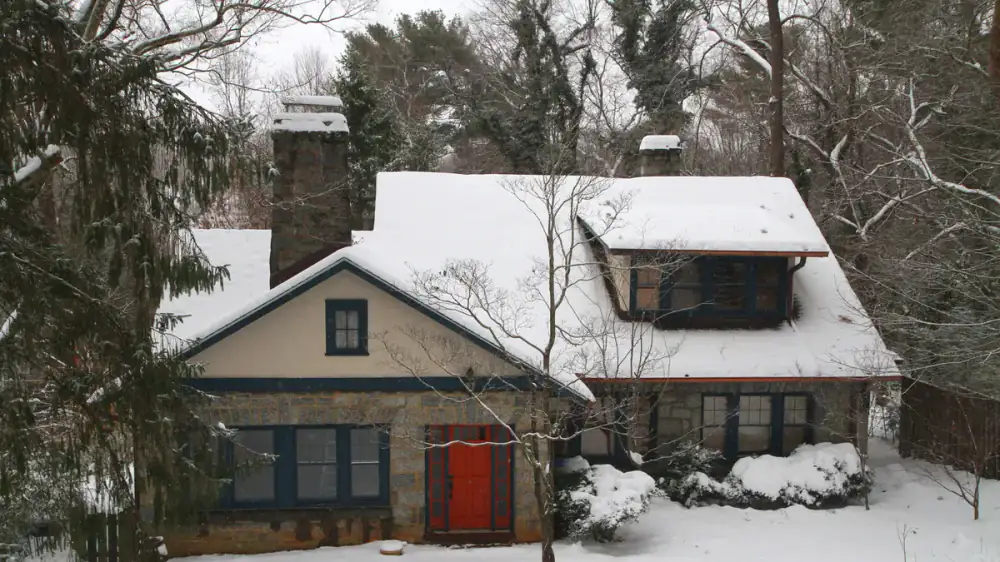
Winter Exterior Home Maintenance Checklist
A grouped, printable winter checklist for snow, ice, frozen gutters and storm damage — built entirely around safe, ground-level observation and knowing when to call a pro.
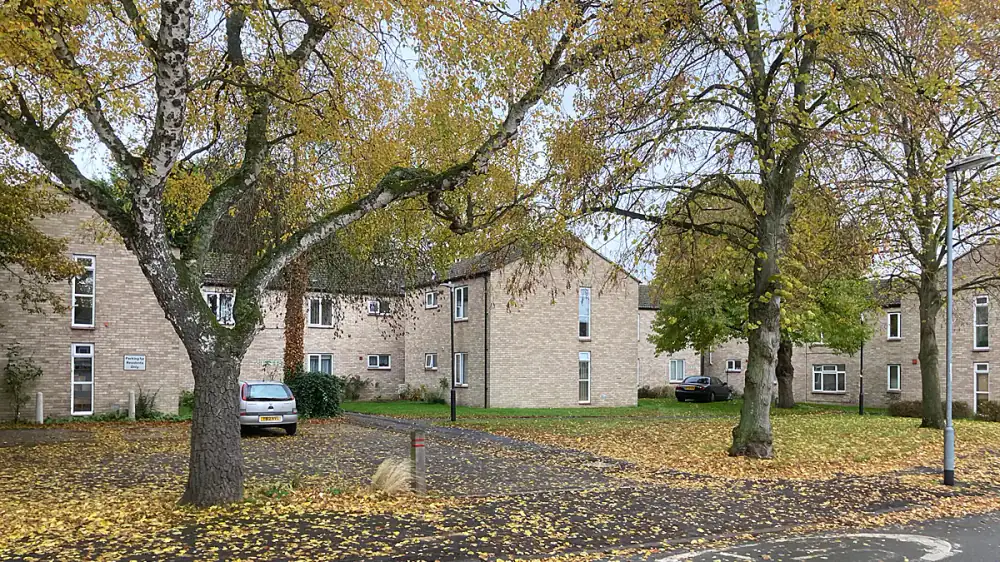
Autumn Exterior Home Maintenance Checklist
A grouped, printable fall checklist for leaves, pine needles, gutter guards, downspouts, roof edge and freeze prep — with an emphasis on safe, ground-level work.
Post-Storm Exterior Inspection Checklist
A grouped, printable checklist for post-storm home exteriors, focused on safe ground-level observation and knowing when to call a roofing professional.