The First Freeze Checklist
One overnight forecast quietly ends a whole season of exterior work. The first hard freeze is a deadline, and the tasks that beat it are cheap while the ones that miss it are not.

The first hard overnight freeze is a hard deadline for every exterior task involving water. Before it lands: disconnect hoses and drain and protect outdoor faucets, clear the gutters and downspouts so debris can't freeze into a dam, finish any painting or sealing that still needs to cure, and store water-sensitive items. Watch the near-term forecast for that first sustained sub-freezing night and treat it as due. Do the ground-level work yourself and leave roof access or tall-ladder work in cold conditions to a professional.
Most maintenance deadlines are soft. You can put off cleaning the siding, and the worst that happens is it stays dirty a while longer. The first hard freeze is different. It's one of the few genuinely hard deadlines a house imposes — a specific overnight, arriving on a date you don't choose, after which a whole category of tasks either becomes much harder or comes with a penalty for having been skipped. Water that was harmless yesterday is a wedge of expanding ice tomorrow, and the cost of being unprepared jumps the moment the temperature crosses the line.
What makes it tricky is that it announces itself so quietly. There's no storm, no wind, no dramatic sky — just a forecast showing an overnight low a few degrees lower than the ones before it. Miss that line in the forecast and you don't feel anything go wrong that night. You feel it in spring, when a split pipe starts leaking inside a wall, or all winter, when meltwater keeps backing up at a frozen roof edge. The whole skill of the first freeze is noticing the deadline in time to beat it.
Why the first freeze is a deadline, not a temperature
It's tempting to fixate on the number — is it a freeze at a couple of degrees below, does it count if it warms up by nine in the morning — but the number is the wrong thing to watch. What matters is whether the overnight low stays below freezing long enough for standing water to actually turn to ice. A brief pre-dawn brush with cold that burns off fast is a warning shot. A sustained hard overnight freeze is the real thing, and that's the one that ends the season.
The reason it functions as a deadline is physical and non-negotiable: water expands as it freezes. Any water sitting where it can't escape — inside a hose bib, packed into wet gutter debris, trapped in a poorly drained low spot — becomes a small hydraulic wedge the night it freezes. Everything on the list below is really just a matter of getting water out of the places it can do damage before the temperature makes the decision for you. And unlike most deadlines, this one moves earlier than people expect nearly every year, which is why the forecast, not the calendar, is the thing to watch.
Before the freeze: get the water out
The single most urgent task is the outdoor plumbing, because it's both the most likely to fail and the most expensive when it does. Disconnect every garden hose — a hose left attached traps water against the valve and is the classic setup for a burst — then drain and protect the outdoor faucets and hose bibs. It takes a few minutes per fixture and heads off a split pipe you might not discover until it's leaking inside a wall months later.
Gutters come next, and they run on the same clock as your fall leaf work. Wet debris left in a gutter freezes into a solid, drainage-blocking mass that stays locked in place until a thaw, so meltwater backs up at the roof edge all winter. If you've been pacing your autumn work well — the approach laid out in getting ahead of fall leaf drop — the final clearing was always meant to land right about here, just ahead of the freeze. If you haven't, this is the last comfortable window to do it, and it pairs naturally with a run through the fall gutter and downspout checklist while the debris is still loose and the roof edge is still ice-free.
Two more items round out the water category. First, any painting, caulking, or sealing that still needs to cure: most exterior products won't set properly once nights drop below freezing, so the approaching freeze is your signal to finish it now or accept that it waits until spring. Second, the water-sensitive odds and ends — hoses coiled and stored, exposed containers emptied, anything that holds water and could crack when it freezes. None of this is difficult. It's just time-sensitive in one direction, and the direction is now.
Reading the forecast for the deadline
Because the first freeze sets its own date, the forecast is the tool that tells you when the deadline actually is. The useful range is the near-term window — a few days out — which is reliable enough to catch an approaching hard freeze and still leave time to act. Longer-range outlooks will hint that cold is coming, but you schedule the actual tasks off the near-term forecast, watching for the first overnight low that's clearly and sustainedly below freezing.
The habit is small: when that first hard freeze appears in the forecast, treat everything above as due before the night it lands. This is the same forecast-as-deadline reading that governs most seasonal work, but the first freeze is the sharpest example of it, because the penalty for missing the window is so concrete. It's also the starting gun for the broader cold-season routine — once you've beaten the freeze, the ongoing tasks shift to the ones in the winter exterior maintenance checklist, and the safe, cold-weather observation covered in midwinter checks you can do safely.
What's safe to do, and what isn't
Almost everything on the first-freeze list is squarely in homeowner territory. Draining faucets, disconnecting hoses, and storing water-sensitive items are quick, ground-level jobs. Observing your gutters and drainage from the ground is safe and genuinely useful — a slow walk of the perimeter tells you where water is likely to pool and freeze.
The one place to stay careful is any gutter clearing that needs a ladder. Do it before the freeze, when the roof edge is still dry and ice-free, on a stable ladder set on firm ground, and don't lean out or step onto the roof to reach a little farther. Cold, slick conditions turn a routine ladder task into a real fall risk, and the calculus gets worse fast on a second story or a steep pitch — that's the point to bring in a professional rather than improvise. Folding this whole sequence into your standing exterior maintenance plan means the first freeze stops being an ambush and becomes what it should be: a date you see coming, and beat by a comfortable margin.
Your questions, answered
What temperature counts as the 'first freeze'?
The number matters less than the overnight low staying below freezing long enough for standing water to actually freeze — a hard overnight freeze rather than a brief brush with cold. A single frosty morning that warms up fast is a warning shot; the freeze that matters is the one that holds through the night. Watch the forecast for the first overnight that's clearly, sustainedly below freezing and treat that as your deadline.
What's the most urgent thing to do before the first freeze?
Disconnect garden hoses and drain and protect outdoor faucets and hose bibs. Water left in them freezes, expands, and can split the pipe — a burst you often don't discover until spring, when it leaks inside the wall. A connected hose is the worst case because it traps water against the valve. It takes minutes to deal with and prevents one of the more expensive freeze failures.
Why do gutters need clearing before the freeze specifically?
Wet debris in a gutter holds water, and once it freezes it becomes a solid, drainage-blocking mass locked in place until a thaw. Meltwater then backs up at the roof edge all winter instead of running off. Clearing before the freeze removes the debris while it's still loose; clearing after means chipping ice off a cold, slick roof edge, which is harder and far more dangerous.
Does the first freeze really end painting and sealing for the year?
For most exterior products, effectively yes. Paints, caulks and sealants need temperatures above a certain range to cure properly, and once nights drop below freezing you're usually past that window. Applying them anyway risks a coating that never sets and has to be redone. If you have curing work left, the approaching first freeze is your signal to finish it now or wait until spring.
How much warning does the forecast give me?
Usually enough, if you're watching. The near-term forecast — a few days out — is reliable enough to catch an approaching first freeze and act before it lands. The trouble is that the first freeze often arrives earlier than people expect, so the real risk isn't a bad forecast but not looking at it. Once you see that first hard overnight low appear, treat everything on this list as due.
Which first-freeze tasks are safe to do myself?
Draining faucets, disconnecting hoses, storing water-sensitive items and observing your gutters and drainage from the ground are all straightforward homeowner tasks. Gutter clearing that needs a ladder should be done on a stable setup on firm ground, before any ice forms. Anything on a second story, a steep roof, or that requires roof access is a call to a professional — cold, slick conditions make height work especially risky.
Keep reading
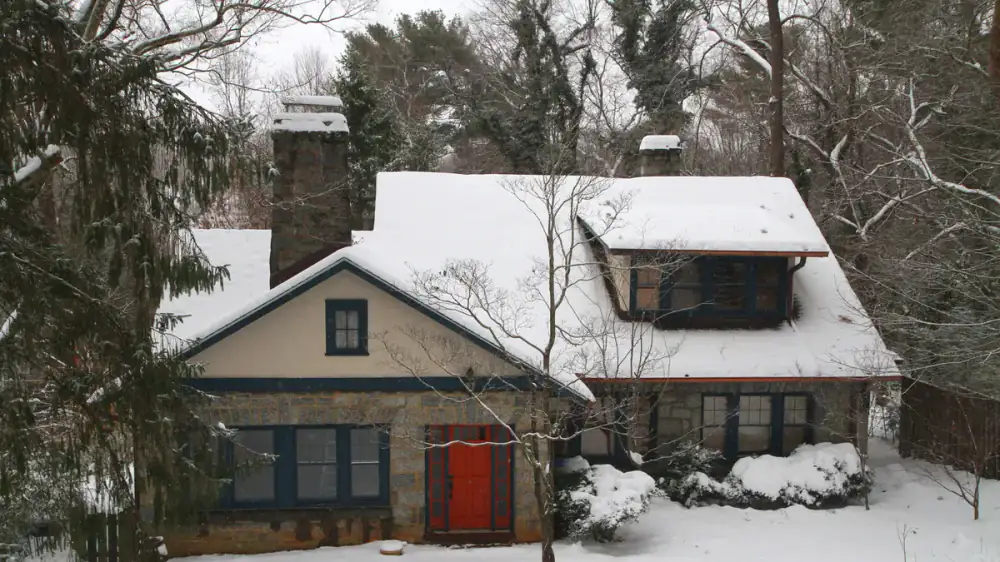
Winter Exterior Home Maintenance Checklist
A grouped, printable winter checklist for snow, ice, frozen gutters and storm damage — built entirely around safe, ground-level observation and knowing when to call a pro.
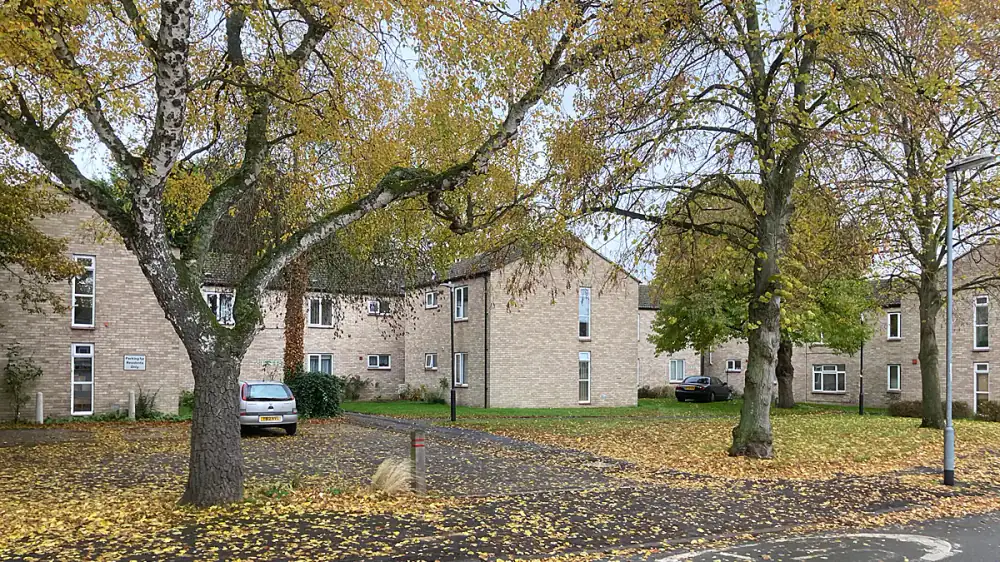
Autumn Exterior Home Maintenance Checklist
A grouped, printable fall checklist for leaves, pine needles, gutter guards, downspouts, roof edge and freeze prep — with an emphasis on safe, ground-level work.
Post-Storm Exterior Inspection Checklist
A grouped, printable checklist for post-storm home exteriors, focused on safe ground-level observation and knowing when to call a roofing professional.