Winterizing Outdoor Faucets and Hose Bibs
A frozen hose bib can crack a pipe inside the wall and flood a room before you notice. Here's how to disconnect, drain and protect outdoor faucets before the first freeze.
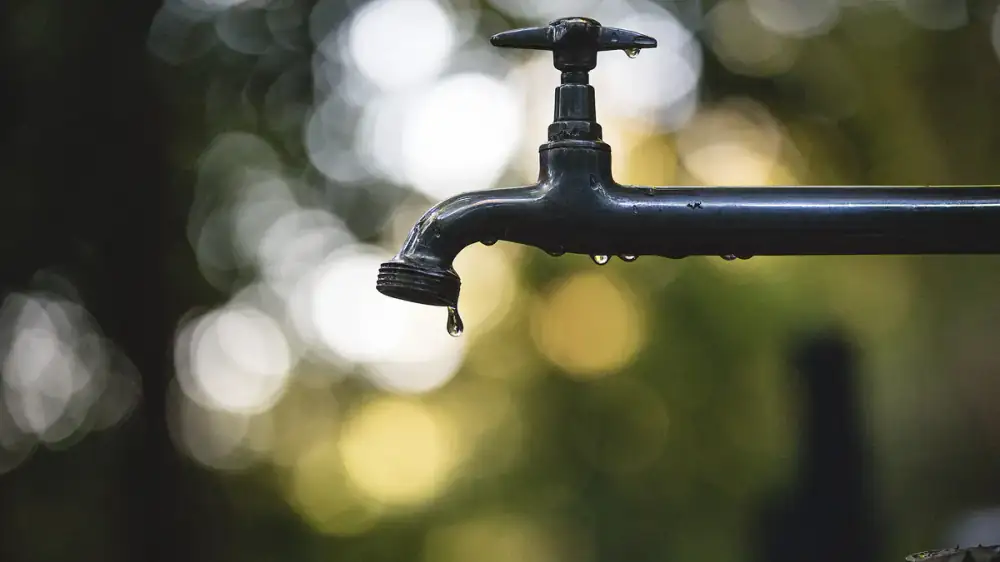
Winterizing an outdoor faucet is three moves: disconnect and drain every hose, shut off the indoor supply valve to that line if you have one, then open the faucet outside so the leftover water runs out. Leave it open (or close it once it's empty, depending on your setup) and add an insulated cover in cold climates. If you only manage one thing, take the hose off before the first freeze — that alone prevents most burst pipes.
Few fall chores pay off like this one. A couple of minutes at each faucet buys you protection against one of the most expensive and least visible failures a house can suffer: a pipe that splits inside the wall over winter and doesn't announce itself until spring. The mechanism is simple and unforgiving. A hose left screwed on through a freeze holds a plug of water against the faucet. That water freezes, expands with nowhere to go, and drives the ice back into the pipe behind the siding — where the crack hides until you turn the water on months later and it sprays into the wall cavity.
The reassuring part is that everything here happens at ground level with tools you already own. There is no ladder, no height, and no specialist knowledge required — just a short, deliberate loop of the house done in the right order.
Walk the house before you touch a valve
The most common way this job goes wrong isn't technique — it's a faucet nobody remembered. A side-yard spigot, a second bib by the garage, the tap behind the deck: these get missed because they aren't in the daily line of sight. So before anything else, do one lap and count. Every hose bib on the exterior needs the same treatment, and knowing the number keeps you from stopping at three when there are four.
While you're at it, gather a bucket and, if you live where it freezes hard, one insulated cover per bib. Pick a mild day early enough that you're not racing an actual freeze. And if any faucet feels stiff or a valve won't close all the way, don't muscle it — make a note for a plumber and move on. Forcing a worn valve in October is how you turn a five-minute task into a repair.
The hose comes off first — every time
If you do nothing else this fall, do this. Unscrew every garden hose, splitter, quick-connect, timer, and Y-fitting from each faucet. Any of those accessories can trap a slug of water and crack, and a splitter left on is just as good at holding water against the bib as the hose itself.
Then actually empty the hoses rather than tossing them in a heap. Stretch each one downhill or coil it so the water runs out, and store it somewhere out of the weather; a hose full of ice all winter tends to be a stiff, split hose by spring. With everything disconnected, glance at the faucet spout to confirm it isn't still holding water. Leaving a hose attached is the number-one winterizing mistake precisely because it quietly defeats even a well-designed frost-free bib.
Isolate and drain the line, if your home lets you
Many houses have a dedicated indoor shut-off for each outdoor faucet, which lets you cut the supply and empty the run of pipe between the valve and the bib. Look for it on the pipe feeding the faucet, usually inside near where that pipe passes through the wall — a small round or lever handle, sometimes with a little bleeder cap on the side.
The sequence matters:
- Close the indoor valve first.
- Go outside and open the faucet all the way, then let the water sitting between the valve and the bib drain out completely.
- If there's a bleeder cap on the valve, open it over a bucket to release the last trapped water, then close it again.
- Follow your faucet's design for the finish — some are meant to be left open through winter, others closed once they've drained.
If you hunt and can't find a shut-off, don't invent one or crank on something that won't budge. Plenty of newer homes rely on frost-free bibs alone and have no separate isolation valve; a plumber can tell you which situation you're in.
Why "frost-free" still isn't a free pass
Frost-free (or frost-proof) bibs are genuinely better, but the name oversells them. The design puts the actual valve on a long stem deep inside the warm wall, so when you close the faucet the water drains out toward the exterior instead of sitting where it can freeze. The catch is that the whole scheme depends on the faucet being able to drain — and a few things quietly break that.
| Frost-free feature | Where it still fails |
|---|---|
| Valve sits inside the heated wall | A connected hose blocks the drain-out and lets water freeze in the stem |
| Faucet drains outward when closed | An installer set it at the wrong pitch, so it never fully empties |
| Long stem keeps ice away from the valve | A worn internal washer leaves water sitting in the stem — watch for drips after shut-off |
The practical takeaway: disconnect the hose on a frost-free bib just as religiously as on a plain one, then confirm it actually drains. The engineering only protects you if you let it do its job.
The cover is the last layer, not the first
Once the line is drained, an insulated faucet cover is worth adding in a cold climate — but understand what it does and doesn't do. It slows heat loss and buys a margin in mild or borderline weather. It cannot save a faucet that's still full of water in a hard freeze. Draining is the protection; the cover is insurance on top of it.
Fit one over each bib and seat it snugly against the wall so it isn't just hanging there. While you're at the wall, seal any obvious draft or gap around the pipe penetration, and if the supply pipe runs through an unheated crawl space or basement, keep that stretch insulated too. Cold reaches a pipe from the inside as readily as the outside.
What's worth a plumber's number
Some findings are your cue to stop and call. A valve that won't fully close or seat, a faucet that keeps dripping after you've shut it off, or a shut-off you simply can't locate when you're unsure whether your bibs are frost-free — each of those is a question for a professional rather than something to force. And any faucet that already froze in a past winter and now leaks, sprays behind the wall, or won't hold pressure come spring needs a real repair, not another season of hoping.
This task slots neatly into the rest of the fall routine. The winter exterior maintenance checklist walks the rest of the house, the pre-winter roof and gutter prep guide handles the drainage side of freeze protection, and the seasonal care hub ties the whole calendar together so the faucets don't get remembered a week too late.
Your questions, answered
Why do I need to disconnect the garden hose before winter?
A connected hose traps water against the faucet. When that water freezes it expands and can't drain, so the ice pushes back into the faucet and the pipe behind the wall. Even a frost-free hose bib can freeze and crack with a hose left on, because the hose stops the faucet from draining as designed. Disconnecting is the single most important step.
What is a frost-free hose bib and do I still need to winterize it?
A frost-free (or frost-proof) hose bib has a long stem so the actual valve sits inside the heated wall, letting the faucet drain toward the outside when it's closed. It still needs attention: you must disconnect the hose so it can drain, and it can still fail if it was installed at the wrong pitch or if a hose was left attached. Disconnect it and confirm it drains.
How do I know if I have a separate shut-off valve for my outdoor faucet?
Look inside, on the pipe leading to the outdoor faucet — often in a basement, crawl space or utility area near where the pipe exits the wall. It may be a small round or lever handle, sometimes with a little drain cap on the side. Not every home has one, especially newer builds with frost-free bibs. If you can't find one, that's worth asking a plumber about.
What happens if I forget to winterize an outdoor faucet?
Water trapped in the faucet or the pipe behind it can freeze, expand and crack the pipe. The crack often isn't obvious until spring, when you turn the water back on and it sprays inside the wall or floods a lower level. Because the break is usually hidden, the water damage can be significant before anyone notices.
Do outdoor faucet covers actually help?
Insulated faucet covers add a layer of protection and slow heat loss, which helps in mild or borderline climates. They are not a substitute for the real work, though. Disconnecting the hose and draining the faucet does the heavy lifting; a cover is a helpful extra, not a stand-alone solution in a hard-freeze climate.
When should I winterize outdoor faucets?
Do it before the first hard freeze of the season, while daytime temperatures are still comfortable for the work. It's easier to build the habit by pairing it with your other fall exterior tasks. If an early cold snap is forecast and you haven't gotten to it, at minimum disconnect every hose that day.
More from this section
Winter Exterior Home Maintenance Checklist
A grouped, printable winter checklist for snow, ice, frozen gutters and storm damage — built entirely around safe, ground-level observation and knowing when to call a pro.

Autumn Exterior Home Maintenance Checklist
A grouped, printable fall checklist for leaves, pine needles, gutter guards, downspouts, roof edge and freeze prep — with an emphasis on safe, ground-level work.
Post-Storm Exterior Inspection Checklist
A grouped, printable checklist for post-storm home exteriors, focused on safe ground-level observation and knowing when to call a roofing professional.