Pre-Winter Roof and Gutter Prep
Clogged gutters and blocked downspouts are what turn a cold snap into an ice dam. Here's a ground-level prep routine to get your roof edge and drainage ready before the freeze.

Pre-winter prep is mostly a ground-level drainage job: clear the gutters and downspouts so snowmelt can escape, confirm runoff carries away from the foundation, and scan the roof edge from the ground for loose gutters or damaged shingles. Clogged gutters are what turn a thaw into an ice dam, so open drainage is the whole goal. Leave roof access and tall-ladder work to a professional.
Winter does not damage a house so much as it exposes what autumn left undone. A freeze finds every loose seam and pries at it; snow load leans on every tired hanger; and any blockage that stops meltwater from draining becomes the seed of an ice dam. The good news is that the defense is unglamorous and almost entirely within reach: get water moving freely off the roof and away from the house before the first hard freeze, and most of winter's worst outcomes never get started.
Nearly all of the work described here is done from the ground, and it should be. The one part that isn't, actually reaching into the gutters to clear them, is where a homeowner has to make an honest call about a ladder, and where roof access, a steep pitch, or a second-story reach becomes a job for a professional. What follows moves from the single most important task outward, so if cold weather cuts your prep short, you will at least have done the thing that matters most.
Why an open gutter is the whole game
It helps to understand exactly what you are preventing, because it makes the priority obvious. An ice dam forms in a specific sequence: heat escaping through the roof melts the snow lying on it, the meltwater trickles down to the cold overhang at the roof edge, and there it refreezes into a ridge of ice. Once that ridge exists, the next round of meltwater has nowhere to go, so it pools behind the dam and works its way under the shingles.
Clearing your gutters will not stop the melting, that is a heat-loss problem, addressed by attic insulation and ventilation, but a blocked gutter makes every part of the backup worse and gives the ice a head start. An open trough and a flowing downspout let snowmelt escape on schedule instead of collecting and freezing where it can do damage. That is why drainage sits at the top of the list and everything else supports it.
Clear the troughs and prove the downspouts
Start by removing the last of the season's debris from the gutters, the leaves, seed pods, and grit that washes down off the shingles. Then test rather than assume. Flush each downspout and confirm a strong, steady stream at the bottom outlet; a weak trickle usually means a clog packed into an elbow, where debris loves to collect. Check that the extensions are still attached and carrying water several feet from the house, not dumping it at the wall.
Timing is its own task here. Even a thorough early-fall cleaning can be undone if trees near the house are still shedding, so a late-fall pass, after most leaves are down but before the first hard freeze, is what actually gets you into winter clean. Choose a dry, mild day for all of this, since stains, sagging, and pooling read far more clearly when the surfaces aren't wet.
Make sure the gutters can carry the load
A gutter that copes fine with a summer rain faces a very different task in winter, when it may hold packed snow and a rind of ice for weeks. Before that weight arrives, look for runs that already sag or dip, the tell that hangers have started to loosen. Confirm the gutter is still pitched to drain rather than holding standing water that will simply freeze in place, and check that seams and end caps are sealed so a backup doesn't leak behind the fascia. Any section already pulling away from the fascia deserves attention now, because snow load will only finish what the loosening began. The mechanics of how that weight does its damage are worth knowing; how snow and ice damage gutters covers what to watch for before the strain sets in.
Read the roof edge without leaving the ground
A surprising amount of the roof edge is legible from below with binoculars. Scan the shingle line for anything missing, lifted, or curled, and look for debris caught on the roof or lodged in the valleys, where it will trap snow and slow the melt. Study the fascia and soffits for soft spots, stains, or peeling paint that betray moisture already present, and note any low spots along the eaves where meltwater could pool and refreeze into a dam. Keep the whole exercise at ground level, the approach in how to inspect the roof edge from the ground, and if backups are a worry, read up on ice dams forming at the roof edge before the cold settles in.
Where the water goes after it leaves the roof
Clearing the gutters only solves half the problem; the other half is what happens to the water once it reaches the ground. Confirm each downspout discharges several feet from the foundation rather than beside it, and walk the perimeter for low spots where meltwater could collect and freeze into slick sheets. Clear leaves from window wells, yard drains, and grates so that thaws have an escape route, and check that the grade still slopes away from the house on every side. In winter, drainage at the ground matters as much as drainage at the eaves, because water that pools against the foundation on a mild afternoon becomes ice against the foundation that night.
Timing at a glance, and where a pro takes over
If it helps to see the season laid out, here is the shape of a sensible pre-winter push:
| Window | Do this | Why |
|---|---|---|
| Early to mid fall | First gutter clearing, roof-edge scan | Removes the bulk of leaf debris |
| Late fall, before first hard freeze | Second clearing, flush downspouts, check drainage | Catches the final leaf drop and confirms flow |
| Any dry, mild day | Ground checks for sag, seams, grade | Surfaces read clearly when dry |
Some of this belongs firmly to a professional, and pretending otherwise is how people get hurt. Roof access, steep pitches, and second-story ladders are not homeowner territory in cold, wet conditions, and neither is knocking ice or debris off a roof, which is far riskier than whatever is up there. Bring in a pro for those, and for any gutter already sagging, separated, or leaking behind the fascia. If ice dams are a recurring problem, a roofing or insulation specialist can look at the attic heat-loss and ventilation that clearing gutters alone will never solve. To round out the season, the winter exterior maintenance checklist covers the rest of the walk-around, and winterizing outdoor faucets and hose bibs handles the plumbing side of freeze protection. A short call now costs far less than repairing an ice dam's damage in January.
Common questions
Why is clearing gutters before winter so important?
Full gutters can't drain, so meltwater backs up and refreezes at the roof edge. That refreezing is what builds ice dams, which force water under the shingles and can pull gutters loose under the weight. A clear gutter and open downspout let snowmelt escape instead of pooling and freezing where it does damage.
Can I prep my roof for winter from the ground?
Most of the checking, yes. From the ground with binoculars you can scan the shingle edge, look for sagging gutters, spot missing or lifted shingles, and confirm downspouts drain away from the house. Actual gutter clearing usually needs ladder access; save any roof access, steep pitch, or second-story work for a professional.
What causes ice dams and can prep prevent them?
Ice dams form when heat escaping through the roof melts snow, the water runs to the cold roof edge, and it refreezes there. Clearing gutters and downspouts won't stop the melting, but it removes the blockages that make backups worse, and it lets you spot the trouble spots early. Attic insulation and ventilation are the deeper fix for the heat-loss cause.
When should I do my pre-winter roof and gutter prep?
Do it in late fall, after most leaves have dropped but before the first hard freeze and snow. That timing means you clear the last of the season's debris and still have workable weather. If you clean too early, a late leaf drop refills the gutters right before winter.
Do I need to clean gutters again if I already did it earlier in fall?
Often yes, if trees near the house are still dropping leaves. A single early cleaning can leave the gutters to refill during the last weeks of leaf drop. A quick late-fall check confirms the troughs and downspouts are actually clear heading into freezing weather.
How do downspouts affect winter drainage?
Downspouts carry snowmelt away from the roof and foundation. If they're clogged or their extensions are missing, meltwater dumps at the base of the house, where it can freeze into slick sheets and saturate the ground against the foundation. Clear, extended downspouts keep that water moving away during every thaw.
Related guides
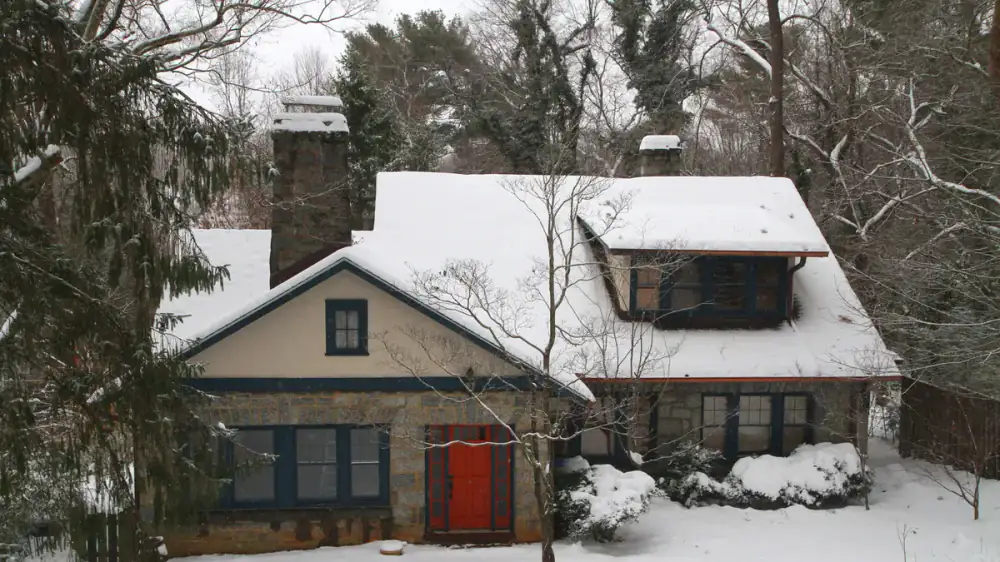
Winter Exterior Home Maintenance Checklist
A grouped, printable winter checklist for snow, ice, frozen gutters and storm damage — built entirely around safe, ground-level observation and knowing when to call a pro.
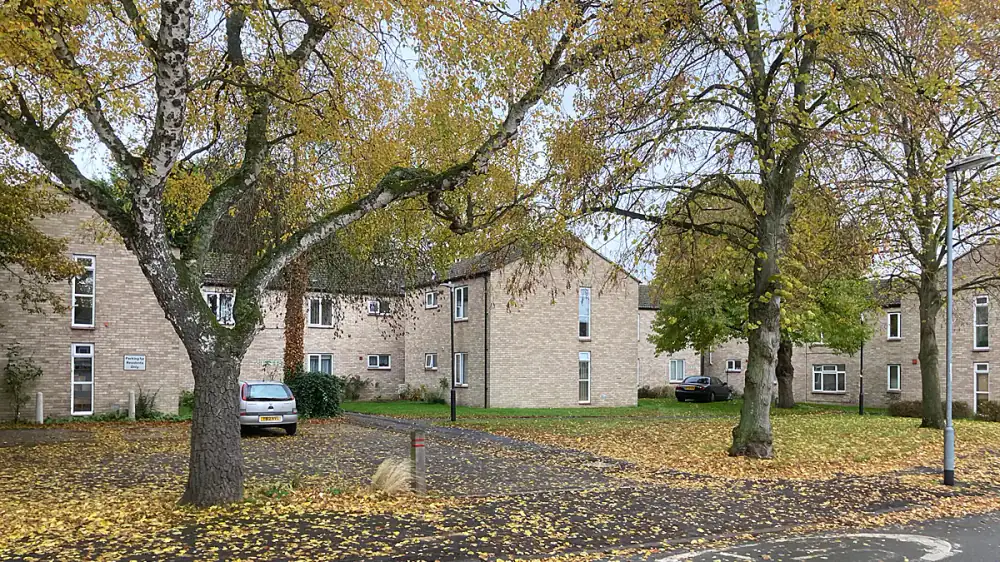
Autumn Exterior Home Maintenance Checklist
A grouped, printable fall checklist for leaves, pine needles, gutter guards, downspouts, roof edge and freeze prep — with an emphasis on safe, ground-level work.
Post-Storm Exterior Inspection Checklist
A grouped, printable checklist for post-storm home exteriors, focused on safe ground-level observation and knowing when to call a roofing professional.