How to Document Your Home's Exterior Condition
Photos and notes turn vague memory into evidence. Here is how to build a baseline you can compare against — and actually catch change before it costs you.

Documenting your exterior means building a baseline — dated photos and short notes of every wall while it is in known condition — and then adding to it on a regular rhythm. Shoot from consistent spots so images compare cleanly, write down what you see in plain language, and keep it all somewhere dated and easy to find. The payoff is the ability to tell a harmless quirk from a problem that is slowly getting worse, which is the whole game in exterior maintenance.
Ask most homeowners whether a stain on their siding is new and you will get a pause, then a guess. That pause is the problem documentation solves. The exterior of a house changes slowly, and slow change is invisible to memory — you simply stop seeing what is always there. A record fixes that. It replaces "I think that's always looked like that" with a dated photo that settles the question. This guide is about building that record: what to capture, how to keep it consistent, and how to turn it into something you actually use rather than a folder you forget.
Why a record beats a good memory
The core challenge of maintenance is distinguishing a stable quirk from a growing problem. A hairline gap that has looked the same for a decade needs no action; the identical-looking gap that appeared last year and doubled since is a different story. From a single glance, the two are indistinguishable. Only a record tells them apart.
This matters because water damage — the main threat to any exterior — announces itself gradually. Understanding how water damages a home's exterior shows why: a stain spreads, a soft spot enlarges, a streak lengthens, each so slowly you would swear it was always that size. Documentation is what makes that creep visible while it is still cheap to address. It converts the vague unease of "something looks off" into the specific knowledge of "this grew two inches since fall."
Build the baseline first
Everything starts with a baseline: a complete set of photos of the exterior in its current, known condition. Do not wait for a problem to start documenting. A photo of a wall in good shape is more useful over time than a photo of a wall with a stain, because the good-condition shot is what every future comparison measures against.
The natural moment to build a baseline is during a careful lap around the house. Pair this with a full outside walkthrough for homeowners — as you make your slow loop, photograph each wall top to bottom: the roof edge, the middle of the wall, the ground line and downspout discharge. Capture the corners too. The aim is that, laid out together, your baseline shots describe the whole shell of the house.
Do this from the ground. You do not need close-up roof photos to have a good record; a clear shot of the roof edge from the lawn, ideally zoomed, captures what you need without a ladder. The record is a ground-level project, like the inspection it supports.
Make the photos comparable
A photo is only evidence if you can line it up against a later one. That means a little consistency:
- Same position. Shoot each wall from roughly the same spot each time. A fixed reference — stand by the same tree, the same fence post — makes this effortless and keeps your framing steady across seasons.
- Same angle and distance. Frame the wall the same way so features land in the same part of the image. Then, for anything specific, step in for a close-up as well, so you have both the context shot and the detail.
- Similar light. Overcast days are ideal because they avoid harsh shadows that hide or fake problems. Failing that, shoot at a similar time of day so the light is comparable.
- Something for scale. Where a defect matters, include a familiar object nearby — a window, a brick course, your hand — so you can judge whether it has grown.
None of this needs to be precise. "Close enough to compare" is the entire standard. A rough match taken from the right place beats a beautiful photo taken from somewhere new.
Notes make the photos mean something
Photos show what; notes explain when and how. A short written line beside each set of images carries the context a photo cannot: the date, the location, what you noticed, and how it compares to last time. "West wall, below the gutter, faint stain — looks slightly larger than spring" is worth more than the photo alone.
Learning to describe what you see sharpens the notes. The more fluent you are at reading exterior warning signs, the more precise and useful your entries become, because you are recording meaningful signals rather than vague impressions. Write in plain language you will understand a year later. The notes are for future you, who will have forgotten the details entirely.
Keep it somewhere you will actually return to
A record you cannot find is no record at all. Store the photos and notes together, dated, in a structure simple enough that you will still use it in two years — a folder per year, or per wall, on whatever device you already live on. The best system is the boring one you keep up, not the elaborate one you abandon.
Tie the habit to something you already do so it does not depend on willpower. Adding a documentation step to your monthly exterior home check and your seasonal walkthroughs means the record grows on its own schedule. And if you keep a broader home routine, folding exterior photos into it is natural — how to build a home maintenance calendar shows how to make recording part of the rhythm rather than a separate chore.
Putting the record to work
A baseline sitting untouched is potential, not value. The record earns its keep when a question arises and you answer it with evidence.
When you spot something and wonder whether to act, the history tells you whether it is stable or moving — the first input to any repair decision. From there, when to repair versus replace outside gives you a framework, and your dated photos supply the "how fast is it changing" that framework depends on.
When you decide to hire, the record becomes a communication tool. It lets you show a contractor exactly what you are seeing and when it started, which makes for clearer conversations and more comparable bids. How to get accurate quotes for exterior work leans on precisely this kind of specificity — a dated photo of a problem developing over two seasons tells a professional more than any phone description could.
Documentation is not glamorous and it never will be. But for a house you intend to keep, a few photos and a line of notes twice a year quietly builds something valuable: a memory the house cannot lose, and the ability to see trouble while it is still small. When a new question comes up that the record cannot answer, the wider guides hub is there to take it further.
Answers to common questions
Do I really need to photograph the whole house, or just problems?
Both, but the whole-house shots matter more than people expect. A photo of a wall in good condition is your baseline — it is what makes a future change visible. If you only photograph problems, you have no record of what normal looked like, and normal is exactly what you are comparing against.
How consistent do the photos actually need to be?
Consistent enough to compare, not studio-perfect. Shoot from roughly the same spot, at the same angle, in similar daylight. The goal is that two photos taken a year apart line up well enough for you to spot what moved or spread. A rough match beats a perfect photo taken from a different place.
Where should I keep all this?
Anywhere you will actually find it later. A dated folder on your phone or computer, organized by wall or by year, is plenty. The system does not need to be sophisticated; it needs to be durable and searchable enough that next spring you can pull up last spring without hunting.
How does documentation help when I hire someone?
It gives a contractor something concrete to look at and lets you describe a problem precisely — when it started, how fast it grew. That makes for clearer, more comparable quotes and fewer misunderstandings. A dated photo of a stain spreading over two seasons says more than any description you could give on the phone.
Is this overkill for a normal house?
It is less work than it sounds and it pays off quietly. Most entries are a few photos and a line of text twice a year. The value shows up later, when a question like "has that always been there?" has an answer instead of a shrug. For a house you plan to keep, that history is worth the small effort.
More from this section

Prioritizing Exterior Maintenance on a Budget
When funds are limited, spend where they prevent the most damage. Here is how to rank exterior tasks so a small budget does the most good.

Reading Exterior Warning Signs
Most exterior problems announce themselves early. Here is how to read the signs across the whole house and where each one points.
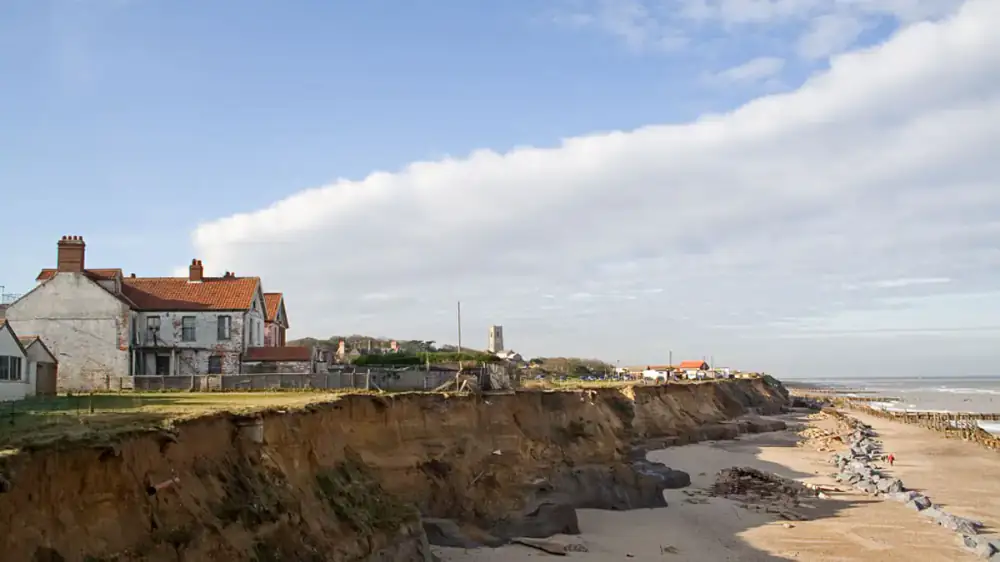
Exterior Maintenance for Coastal Homes
Salt air, corrosion and wind-driven rain make coastal homes their own category. Here is how to rinse, choose materials and check more often.