Prioritizing Exterior Maintenance on a Budget
When funds are limited, spend them where they prevent the most damage. Here is how to rank exterior tasks so a small budget does the most good.

On a limited budget, protect against water first — clear gutters and get water away from the foundation — because water damage cascades into the most expensive repairs there are. Favor cheap prevention over costly repair, do the safe ground-level tasks yourself, and rank any spending by how much future damage it prevents. The goal is not to do everything; it is to spend limited funds where they do the most good.
Most maintenance advice quietly assumes two things you may not have: an open wallet and a free weekend. Real budgets are finite, and when they are, the honest question changes. It is no longer "what should I do to my house?" but "what should I do first?" — and that question, happily, has a more consistent answer than the first one does. This is a guide to triage. It is about ranking exterior tasks so that whatever you can spend prevents the most damage possible. You will notice it never names a dollar figure; honest numbers depend on your house and region, and what matters here is the order, not the amount.
One rule ranks almost everything
If a single idea survives this page, let it be this: on a budget, keep water away from the house before you spend on anything else. Water is behind most serious exterior damage, and — the crucial part — it does not stop at one failure. It cascades. A clogged gutter overflows onto the fascia; the wet fascia rots; the rotted fascia lets the gutter sag; the sagging gutter empties at the foundation. How water damages a home's exterior traces that chain in full. Every dollar that stops water early is standing in for several dollars downstream, which is why water protection sits at the top of the ranking no matter how tight things are.
The ladder, top to bottom
Rank tasks by damage prevented, not by how visible or satisfying the result is. For most homes the order runs roughly like this:
- Keep gutters clear and draining. The cheapest, highest-value task on the list. See how often gutters should be cleaned.
- Get water clear of the foundation. Confirm downspouts discharge well away from the house; downspout extensions are cheap insurance against foundation pooling.
- Stop water sneaking past the roof edge. Address water running behind gutters before it reaches the fascia.
- Catch structural gutter faults early. A loose hanger is a small fix; a whole sagging run is not.
- Manage growth that traps moisture. Gentle cleaning of damp, shaded surfaces; see a homeowner's guide to exterior cleaning.
- Cosmetic cleaning and appearance. Worth doing — but last, when funds are short.
The shape of the ladder is unmistakable: the top rungs are all about water, and most of them are cheap. A freshly cleaned wall does nothing for the clogged gutter rotting the fascia above it, which is why appearance sits at the bottom.
Why prevention wins the arithmetic
The economics of the exterior lean hard toward prevention, and a tight budget only sharpens the point. Set the cheap task beside the expensive repair it heads off and the case makes itself.
| Cheap prevention | The expensive repair it avoids |
|---|---|
| Clearing the gutters | Replacing rotted fascia and soffit |
| Extending a downspout | Addressing foundation water intrusion |
| Fixing a loose hanger | Re-hanging or replacing a sagging run |
| Refitting or adding a drip edge | Repairing water-damaged wall structure |
| Gentle cleaning of damp surfaces | Replacing decayed siding or trim |
Not one item on the left is glamorous. Each one, though, stands between you and a repair on the right that could swallow an entire budget on its own. Deferring the cheap tasks is the false economy that quietly sets up the costly ones — the inexpensive prevention items are precisely the ones that stop cascades before they start.
Your own hands are part of the budget
The other half of stretching money is labor, and a surprising amount of high-value maintenance is ground-level work that costs mainly your time. Watch your gutters in the rain and run the monthly exterior home checks. Inspect the roof edge from the ground with binoculars, as in how to inspect the roof edge from the ground. Confirm each downspout discharges clear of the foundation. Clean ground-level surfaces gently — pressure washing vs soft washing shows how to do it without adding damage of your own.
Safe is doing the heavy lifting in that paragraph. DIY vs professional exterior work draws the line clearly: a fall from a ladder or roof, or a repair botched to save a fee, costs vastly more than hiring out ever could — it erases the saving many times over. Doing risky work to protect a budget is not thrift; it is a gamble with the odds against you. The budget-smart move is to keep the safe, ground-level tasks for yourself and reserve your money for the height and repair work that truly needs a professional.
When two repairs compete for the same dollar
Sometimes the budget forces a choice between two repairs you cannot both fund. Two questions settle it. First: does it protect against water? A repair that keeps water out of the structure outranks a purely cosmetic one, every time. Second: will it get worse on its own? A small problem actively growing outranks a stable one that is not. A repair that both stops water and heads off a cascade is always the first dollar spent — and treating the source rather than the symptom is part of the same logic, since cleaning a stain the water keeps remaking just spends the budget twice.
When the time comes to hire, how to evaluate an exterior contractor helps you get clear, comparable quotes so your limited funds are not wasted on the professional work you do commission. A budget never bends the safety rules — height, roofs, and structural repairs still belong to professionals — but it does sharpen how you order that work: put the water-protecting, cascade-stopping jobs first, do the safe ground-level tasks yourself, and spend where prevention is cheapest.
Questions homeowners ask
If I can only do one thing, what should it be?
Keep water moving away from the house — which usually means clearing the gutters and making sure downspouts discharge well clear of the foundation. Water causes the most exterior damage, and controlling it protects the parts that are most expensive to repair. It is also among the cheapest tasks there is.
Why prioritize water protection over everything else?
Because water damage compounds. A small failure — a clogged gutter — leads to a wet fascia, then rot, then a sagging gutter, then foundation water. Spending a little to stop water early prevents a chain of expensive repairs later. Nothing else on the exterior cascades quite like water does.
Is it cheaper to prevent problems or repair them?
Prevention is almost always far cheaper. Clearing a gutter costs little; replacing rotted fascia, fixing a sagging run, or addressing foundation intrusion costs a great deal. On a tight budget, spending on cheap prevention is the single best way to avoid being forced into expensive repairs.
What can I safely do myself to save money?
Ground-level tasks: watching gutters in rain, inspecting the roof edge with binoculars, checking downspout discharge, gently cleaning ground-level surfaces, and positioning downspout extensions. These cost mainly time and protect against real damage. Anything at height or on the roof should still go to a professional.
How do I decide between two repairs I cannot both afford?
Favor the one that protects against water and stops a cascade. A repair that keeps water out of the structure generally outranks a cosmetic one, and a small problem that will grow outranks a stable one that will not. Think in terms of what prevents the most future damage per dollar.
Does doing it myself always save money?
Only when it is safe. A fall or a botched repair costs far more than hiring out ever would. The real savings come from doing the safe, ground-level tasks yourself and reserving your budget for the height and repair work that genuinely needs a professional.
Related guides
Reading Exterior Warning Signs
Most exterior problems announce themselves early. Here is how to read the signs across the whole house and where each one points.
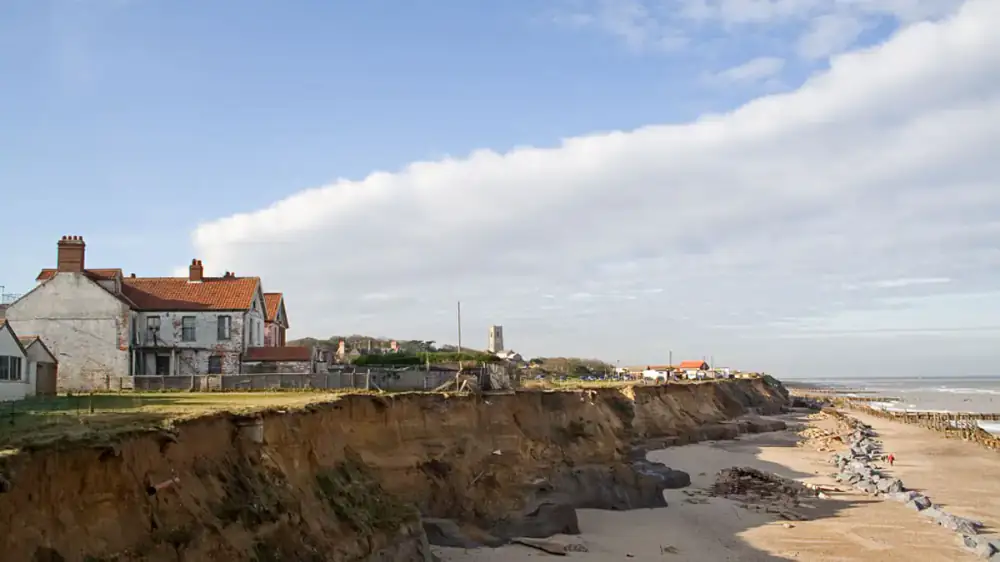
Exterior Maintenance for Coastal Homes
Salt air, corrosion and wind-driven rain make coastal homes their own category. Here is how to rinse, choose materials and check more often.
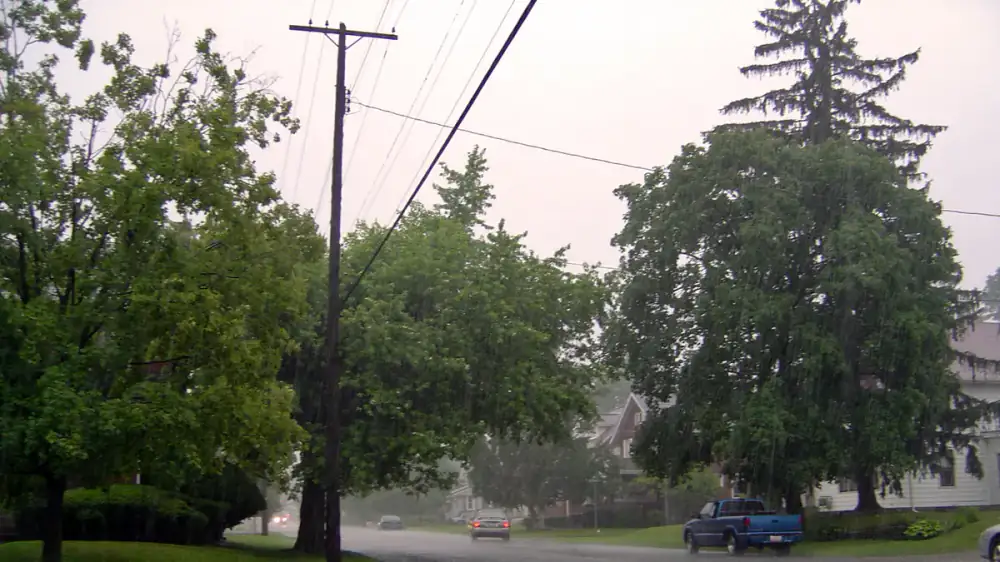
Exterior Maintenance in a Rainy Climate
Frequent rain keeps surfaces wet and drainage working overtime. Here is how to keep a home sound where it rains often.