Reading Exterior Warning Signs
Most exterior problems announce themselves before they get expensive. Here is how to read the early signs across the whole house and where each one points.

Exterior problems almost always show themselves early — as odd water behavior in rain, then as stains, peeling paint, growth, sagging or pooling. Learning to read these signs and trace each back to its likely source is what turns a small fix into a caught problem instead of a large repair. This guide maps the common signs to the areas they point to and links to the fix for each.
The most valuable skill in exterior maintenance is not fixing things — it is noticing them. Nearly every serious problem a house develops sends up a signal long before the repair gets expensive, and nearly all of those signals are readable from the ground, if you know what you are looking at. What follows is a field guide to reading them: what each sign looks like, where it points, and what to do once you have seen it. Almost all of them lead back to the same culprit, so how water damages a home's exterior makes useful background before you start.
Watch the water before you look for stains
The instinct is to hunt for marks on the wall. Resist it, at least until you have watched a rainstorm. Moving water is the single best diagnostic tool you own, because it shows you where water actually goes rather than where you assume it does — and the two are often not the same place. From a dry vantage point during a steady rain, watch for water spilling over the front lip of the gutter instead of draining to the downspout; water sheeting down behind the gutter onto the fascia; streams coming from seams or joints rather than the downspout outlet; and water discharging right at the foundation instead of well clear of it. These behaviors come first, before the stains and rot that follow from them, which is exactly why seeing them is worth so much. A dry-weather inspection alone will miss all of it.
From symptom to source
Once you know a sign to look for, this table turns it into a place to investigate. None of these is a diagnosis by itself, but each points you in the right direction.
| What you see | Likely area | Where to look next |
|---|---|---|
| Water over the gutter's front edge | Clogged gutter or lost pitch | Overflowing gutters |
| Water running behind the gutter | Roof edge / missing drip edge | Why water runs behind gutters |
| Stained or peeling fascia | Persistent moisture, early rot | What causes fascia rot |
| Sagging or dipping gutter run | Trapped weight or failing supports | Why gutters sag |
| Gutter pulling from the fascia | Loose or failing hangers | Loose gutter hangers |
| Water in the trough after rain | Lost pitch, standing water | Standing water and pitch |
| Overflow despite a clear trough | Clogged downspout | Why downspouts keep clogging |
| Pooling at the foundation | Drainage / short downspout | Water pools near the foundation |
| Green growth returning on siding | Shade and moisture | Why green growth keeps returning |
| Stains around the chimney | Crown or flashing failure | How water gets in around a chimney |
The roof edge tells first
More signs appear at the roof edge than anywhere else, and most are readable from the ground with a pair of binoculars — no ladder required to spot them. Peeling paint or dark streaks on the fascia, a soffit that sags or shows gaps, and vents that are blocked or stained all point to water or airflow gone wrong. Because the gutter hangs directly on this assembly, roof-edge signs and gutter signs tend to travel as a pair. How to inspect the roof edge from the ground walks through the specifics, and a homeowner's guide to the roof edge explains why these parts so often fail together.
What the walls and ground confess
Away from the roofline, the walls and the soil keep their own record. Persistent moss or algae marks a surface that stays damp and dries poorly. Efflorescence — the white, powdery residue that appears on masonry — shows water moving through the material and leaving salts behind. Peeling paint over soft wood signals moisture working underneath. Down at ground level, pooling and erosion near the foundation reveal water being delivered to the base of the house instead of carried away. Many of these are the visible tail end of a chain that began up at the roof edge, which is the whole reason the next section matters more than any single sign.
Trace it, do not scrub it
The one habit that separates reading warning signs from merely reacting to them is refusing to treat the symptom. A stain scrubbed clean returns if the water that drew it still follows the same path. Paint laid over a lifting patch lifts again if the surface beneath stays wet. Cleaning the stain and repainting the patch feels like progress, but it just spends effort twice and lets the real problem keep working. Every sign is a clue pointing upstream — to a clog, a missing drip edge, a short downspout — and the fix is at that source, not at the mark. The exterior maintenance tasks homeowners commonly ignore are, more often than not, precisely these early signs left untraced until they were no longer small.
Make looking a routine, and know your limit
Reading warning signs only works if the looking is regular, so give it a place on the calendar. A quick monthly exterior home check catches anything obviously wrong. A thorough seasonal review, guided by the year-round maintenance schedule, covers the rest. And a post-storm inspection after major weather is worth the time, because new signs surface exactly then — waiting for damage to become obvious usually means the cheap-fix window has already closed.
Reading the signs is entirely yours to do. Acting on some of what they reveal is not. When a sign points to rot, structural sagging, failed flashing, foundation intrusion, or anything that would put you on a roof or up a ladder, that is the cue to bring in a professional rather than press on. The value you add is at the front of the process — catching it early, while it is still small and still cheap.
Answers to common questions
What is the earliest sign of an exterior problem?
Often it is how water behaves during rain — spilling over a gutter, running down the fascia, or pooling at the foundation. Watching the house in a storm reveals developing problems long before they leave permanent marks. Stains, peeling paint and growth are the next stage, once water has been going wrong for a while.
What do stains on the fascia or siding mean?
They usually mean water is going where it should not — overflowing from a clogged gutter, running behind the gutter, or getting past the roof edge. The stain marks the path the water takes. Tracing it back to the source, rather than just cleaning the stain, is what actually fixes the problem.
Should I worry about peeling paint on the exterior?
Peeling paint is often a moisture signal, not just a cosmetic one. Paint lifts when the surface beneath stays wet, so persistent peeling in one area can indicate water intrusion or early rot. It is worth investigating the cause before simply repainting over it.
What does pooling water near the foundation indicate?
It usually means water is being delivered to the base of the house rather than carried away — commonly a clogged or short downspout, or a gutter dumping water at one spot. Because foundation water is among the costliest problems, pooling is a warning sign worth acting on quickly.
How often should I look for warning signs?
Do a quick walk-around monthly and a more thorough look each season, plus a check after major storms. Most problems are visible from the ground with a little attention, and catching them early is the difference between a small fix and a large repair.
When is a warning sign serious enough to call a professional?
When it points to something you cannot safely reach or fix — rot, structural sagging, failed flashing, foundation intrusion, or anything requiring roof access. The sign itself is your cue to look closer; if what you find is beyond ground-level work, that is the time to call.

Prioritizing Exterior Maintenance on a Budget
When funds are limited, spend where they prevent the most damage. Here is how to rank exterior tasks so a small budget does the most good.
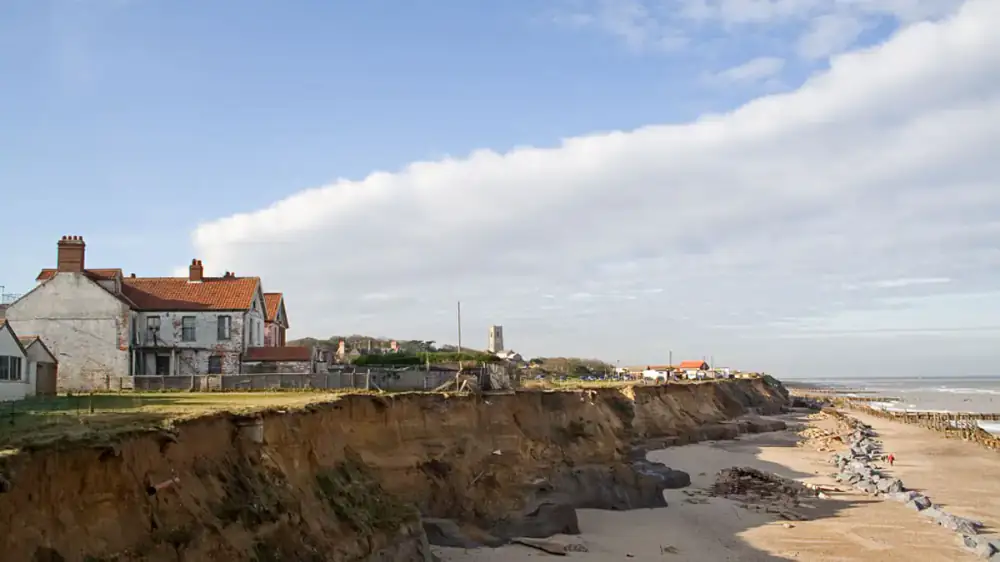
Exterior Maintenance for Coastal Homes
Salt air, corrosion and wind-driven rain make coastal homes their own category. Here is how to rinse, choose materials and check more often.
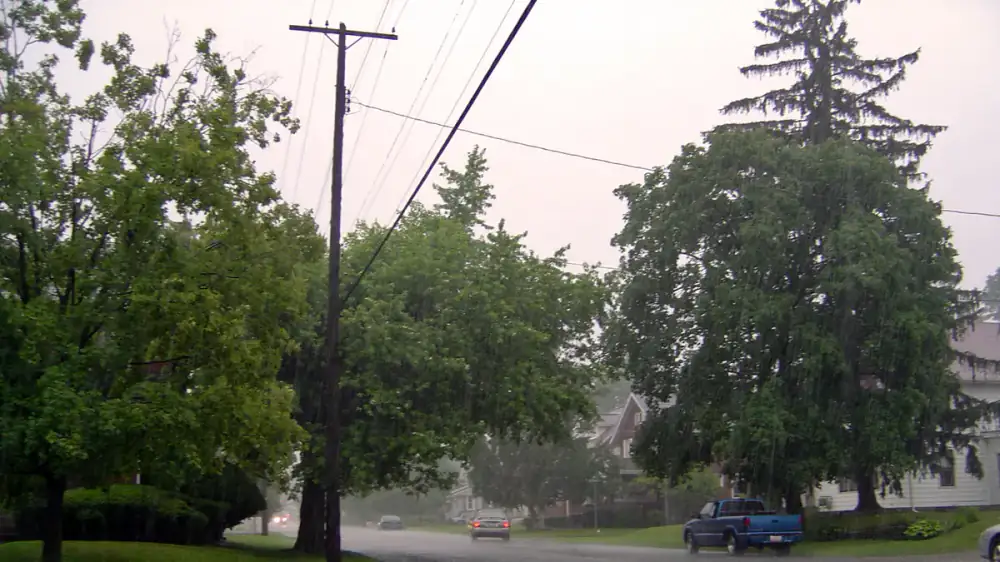
Exterior Maintenance in a Rainy Climate
Frequent rain keeps surfaces wet and drainage working overtime. Here is how to keep a home sound where it rains often.