How Water Damages a Home's Exterior
Water is the single force behind most exterior damage. Here is how it gets in, how small failures cascade, and how to stay ahead of it.
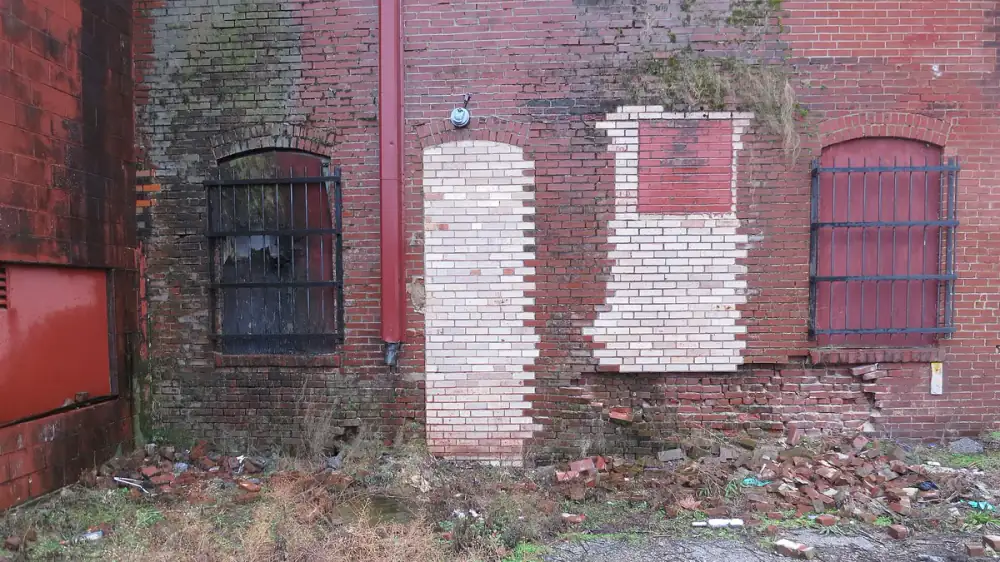
Almost every serious exterior problem comes down to water going where it should not. It follows a few predictable paths — over the roof edge, behind siding, down the walls and into the foundation — and small failures cascade, each one setting up the next. The whole of exterior maintenance is really about keeping water moving away from the house so it never gets the chance.
Pick almost any exterior repair — rotted fascia, a stained wall, a settling corner, masonry flaking apart — and trace it back far enough, and you arrive at the same place: water that stayed somewhere it should have left. Sun fades a surface and wind wears at it, but neither rots wood or moves a foundation. Water does. That is why every other subject on this site — gutters, the roof edge, cleaning, seasonal care — is, underneath, a subject about water. Understand how water does its damage and the rest of exterior maintenance stops looking like a random list of chores and starts looking like one campaign against one adversary.
What makes water so hard to beat
Other forces act and are gone. Water lingers, and lingering is its whole method. It finds the smallest opening, settles into the shade where nothing dries, and does its slow work out of sight until the evidence is already expensive. A dry material shrugs off most threats; a wet one begins to break down. And water refuses to hold one form: it soaks in, it evaporates and leaves salts behind as efflorescence, and in the cold it freezes and expands. Patience plus that shape-shifting is what makes it the exterior's chief enemy rather than merely one hazard among several.
The routes it travels
Water damage is not scattered randomly across a house. It moves along a handful of established routes, each with its own tells.
The roof edge is the first and most common failure point. When a drip edge is missing or a gutter overflows, water wicks backward onto the fascia and soffit instead of dropping cleanly into the trough. That backward wicking is where fascia rot starts, and it explains why water runs behind gutters; a homeowner's guide to the roof edge shows how the assembly is meant to shed it.
The gutters exist precisely to control this water, so their failures send it exactly where it must not go. Overflowing gutters sheet down siding, and clogged downspouts pour it out at the base of the wall — see a homeowner's guide to gutters for the system as a whole.
Behind the siding, wind-driven rain and gaps around trim let water reach places that never dry. Shaded, damp walls are where green growth keeps returning, and that growth then holds still more moisture against the surface, feeding itself. At the foundation, water delivered to the soil against the house works downward, causing settlement and intrusion — water pooling near the foundation is usually the last link in a chain that began at a clog, and downspout extensions are a cheap way to break it. The chimney adds its own openings, punching through the roof to give water a cracked crown, failed flashing, or an open flue to exploit; how water gets in around a chimney covers those.
One clog, five bills
The reason a small failure deserves attention is that water damage compounds — each failure builds the conditions for the next. Watch a common sequence play out. A gutter clogs and overflows in a hard rain. The overflow keeps the fascia wet, and the wet fascia rots. The rotted fascia can no longer grip the gutter hangers, so the run begins to sag. The sagging run dumps its water straight down at the foundation. And there the water pools and works its way in.
No single step in that chain is dramatic. Nobody would call a rotted patch of fascia an emergency. But the far end of the chain — foundation water — is among the most expensive repairs a house can hand you, and it began with a clog that ten minutes with a scoop would have cleared. That is the whole argument for catching the first failure: it is never the first failure that costs you.
Cold weather hands it a crowbar
Where winters freeze, water gains a mechanical weapon it lacks elsewhere. As it freezes it expands, so any moisture caught in a crack, a gutter, or a masonry joint pries that space wider with every cycle of freezing and thawing. A hairline you could barely see in autumn can be a genuine crack by spring, simply from water going rigid and pushing outward a hundred times over a season. This is why snow and ice damage gutters, and why draining water out of the system before the first freeze is worth the trouble; exterior maintenance in a snowy climate takes up the cold-weather case in detail.
Learning to read the tells
Water announces itself well before it wins, if you know the signals.
| What you notice | What it usually means |
|---|---|
| Stains or streaks on fascia and siding | Overflow, or water running behind the gutter |
| Peeling paint, soft or spongy wood | Persistent moisture; rot getting started |
| Efflorescence on masonry | Water moving through the material and leaving salts |
| Moss or algae that keeps coming back | A surface staying damp and drying poorly |
| Pooling at the foundation | A downspout or grade steering water inward |
Each of these is a clue pointing upstream to a cause; reading exterior warning signs develops them into a fuller diagnostic habit.
The whole game is keeping it moving
Strip away the specifics and prevention reduces to one instruction: keep water moving away from the house, and let every surface dry out between rains. In practice that is clear gutters, sound drip edges, downspouts that release well clear of the foundation, and clean surfaces that shed and dry rather than hold moisture. Nearly all of it is inexpensive and done with both feet on the ground — the repairs it heads off are neither. Fold the routine into the year-round exterior maintenance schedule so it happens on a rhythm rather than after the damage.
There is an honest division of labor in all this. Keeping water moving is squarely a homeowner's job. Undoing what water has already done — rot, failed flashing, foundation movement, ice damage, or anything that needs roof or height access — usually is not, and that is the point at which a professional earns the call. The genuinely valuable thing you can do yourself is see the water early and break the chain before it runs to the expensive end.
Questions people also ask
Why is water considered the main threat to a home's exterior?
Because nearly every serious exterior problem — rot, staining, growth, foundation movement, ice damage — traces back to water going somewhere it should not. Sun and wind wear surfaces down, but water is the force that turns a small opening into decay. Managing water is most of exterior maintenance.
How does a small leak become a big problem?
By cascading. A clogged gutter overflows onto the fascia; the wet fascia rots; the rotted fascia lets the gutter sag; the sagging gutter dumps water at the foundation. Each failure creates the conditions for the next, which is why catching the first one early matters so much.
What are the main paths water takes into a home's exterior?
Chiefly four: over the roof edge when gutters or drip edges fail, behind siding through gaps and pressure-driven rain, down the walls from overflow, and into the ground against the foundation. Chimneys and other roof penetrations add more. Each path has its own early warning signs.
How can I tell if water is already causing damage?
Look for stains, peeling paint, soft or discolored wood, efflorescence on masonry, persistent growth, and pooling near the foundation. Watching the house during and just after heavy rain reveals where water actually goes, which is often not where you would guess.
Does freezing make water damage worse?
Considerably. Water expands as it freezes, so any moisture trapped in a crack, a gutter or masonry pries the material apart with each freeze-thaw cycle. A minor crack that admits water in fall can be a wide one by spring in a cold climate.
What is the most effective way to prevent water damage?
Keep water moving away from the house: clear gutters, sound drip edges, downspouts that discharge well clear of the foundation, and surfaces that can dry out. Most prevention is inexpensive and done from the ground; the repairs it avoids are neither.
Related guides

Prioritizing Exterior Maintenance on a Budget
When funds are limited, spend where they prevent the most damage. Here is how to rank exterior tasks so a small budget does the most good.
Reading Exterior Warning Signs
Most exterior problems announce themselves early. Here is how to read the signs across the whole house and where each one points.
Exterior Maintenance for Coastal Homes
Salt air, corrosion and wind-driven rain make coastal homes their own category. Here is how to rinse, choose materials and check more often.