Can You Install Guards Over Existing Gutters?
In most cases yes — but a retrofit only works over sound gutters that fit the guard. Here's how compatibility, condition and fit decide whether it'll last.

Yes — for most homes you can fit gutter guards onto the gutters you already have, and a great many guards are built specifically to retrofit. Whether that retrofit lasts turns on two things. The gutters have to be sound: no sag, no leaks, no slow drainage. And the guard has to fit your gutter's width and profile. Repair any trouble before you cover it, because a guard sits over a working gutter and can't rescue a failing one. Measure first, match the guard to your trough, confirm the run drains freely, then guard it.
"Can I just put guards on the gutters I already have?" is one of the first things homeowners ask, and the reassuring part of the answer is yes — most guards are designed for exactly that, and you rarely need new gutters to add protection. The less obvious part is that "can you" and "should you right now" aren't the same question. A retrofit only holds up when what's underneath is worth covering and the guard genuinely seats. Get those two right and it serves for years; get them wrong and you've hidden a problem instead of solving one.
We don't sell guards, so here is a straight walk through what a retrofit actually involves, why condition comes before installation, and how to tell your gutters are ready.
Retrofitting is the norm, not the exception
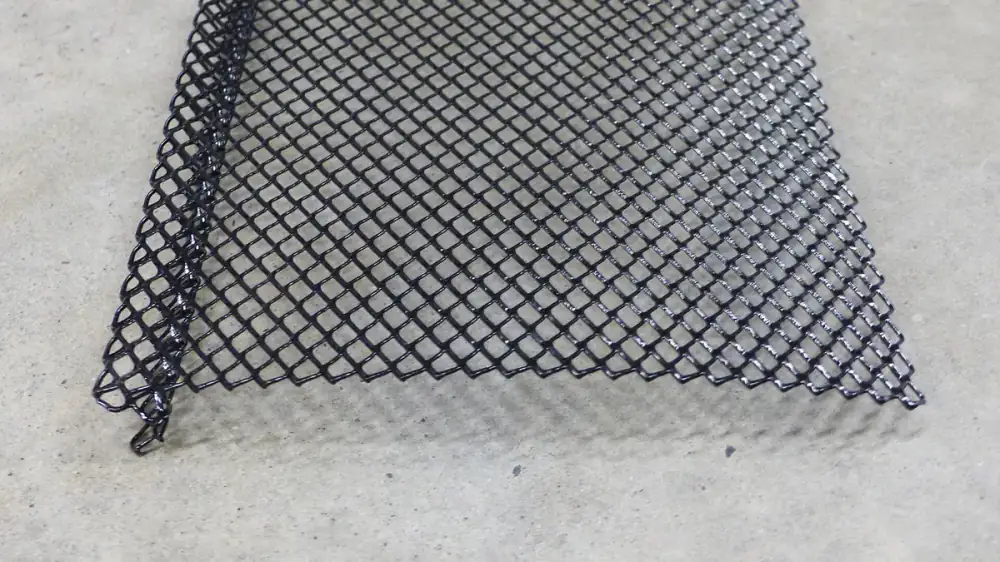
A large share of the guards on the market are made to fit gutters already hung on a house. Drop-in screens, micro-mesh panels, and clip-on inserts all attach to an existing trough without replacing it — some seat under the first course of shingles, some clip to the front and back lip, and some simply rest in the channel.
So the base answer is easy: retrofitting is the standard path, not a workaround. Possibility isn't really the question. What decides whether the job holds up is the pair of conditions below — and both are things you can check before you spend a cent.
Condition comes before the cover
A guard goes over a working gutter. It cannot repair one that's already failing, and fitting it over a bad gutter makes matters worse, because reaching the problem later means pulling the guard back off.
Before anything goes on, the gutter needs to be:
- Draining freely to the downspout, with no standing water or sluggish spots.
- Free of sag — a dip in the run pools water instead of moving it.
- Sealed at the seams and joints, with no active leaks.
- Firmly attached to the fascia, on hangers that aren't pulling loose.
- Clean, since a guard seals in whatever debris is already sitting in the trough.
If a section sags, leaks, drains slowly, or is pulling from the fascia, repair or replace it and then guard the sound result. There's a weight angle here too: some guards add load or fasten under the shingles, and a tired trough or loose hanger may not carry that well, which can accelerate sagging that had only just started. Our guide to retrofitting gutter guards on old gutters walks the condition check in more detail.
Fit is the second gate
The other condition is fit. Guards are manufactured for specific gutter widths and profiles — a five-inch K-style trough is not a six-inch, and neither is a half-round. A guard has to match your gutter to seat cleanly.
- Right fit: the guard sits snug, closes the trough, and holds without being forced.
- Too small or wrong profile: gaps open at the edges and debris walks straight in, defeating the point.
- Too large or forced: the guard lifts, blows out, or presses up against the shingles.
Measure your gutter's width and note its profile before you buy, and choose a guard rated for it. Type matters as much as fit, because a retrofit is only worth doing if the guard suits your debris — weigh that alongside sizing using micro-mesh vs screen gutter guards.
A quick readiness check
Before committing, run your existing gutters against this. Anything in the right-hand column is a fix-first, not a guard-now.
| Check | Ready to guard | Fix first |
|---|---|---|
| Drainage | Flows freely to downspout | Standing water or slow spots |
| Slope | Consistent toward downspout | Sagging or dips |
| Seams | Sealed, no leaks | Active leaks at joints |
| Attachment | Firm hangers, solid fascia | Pulling loose from the house |
| Fit to guard | Matches guard size and profile | Wrong width or shape |
The signs that push a gutter into that right-hand column are usually visible from the ground or on a careful look: standing water after rain, stains or drips at the seams, gaps opening between gutter and fascia, a visible dip in an otherwise straight run, or rust, cracks and soft spots in the trough. Any one of them means repair leads and guarding follows.
Old gutters: a question of health, not age
A common worry is that old gutters simply can't take a guard. Age by itself isn't the disqualifier — condition is. Old gutters that are still solid, well attached, and draining properly can usually be guarded without drama. Old gutters that sag, leak, or run on failing hangers need repair or replacement first.
Where gutters are genuinely near the end of their life, it can make more sense to replace them and guard the new run in one job than to guard a trough you'll soon have to tear off. The right call comes from assessing condition honestly rather than counting birthdays.
Where a professional earns the call
Plenty of retrofits are within reach of a careful DIYer, but bring in a professional when the gutters need repair before guarding, when they're high or on a steep roof, or when you're unsure whether the run is sound enough to carry a guard at all. A pro can confirm the gutters drain and hold properly, recommend a compatible guard for your profile and your trees, and handle the fittings that reward skill — under-shingle micro-mesh especially. If the gutters turn out to be near replacement, the same visit can help you weigh guarding the old run against replacing and guarding together. And for the bigger decision behind all of this, our look at whether gutter guards are worth it for your home is a useful companion.
So — can you install guards over your existing gutters? Almost always, and it's the usual approach. Just treat it as two questions rather than one: are the gutters sound, and does the guard fit? Repair what needs repairing, match the guard to both your trough and your trees, and a retrofit will hold up for years.
Your questions, answered
Can you install gutter guards over existing gutters?
In most cases, yes. Many guards are designed as retrofits that fit onto gutters already on the house — screens, micro-mesh panels and drop-in inserts among them. The conditions are that the gutters are sound and that the guard suits your gutter's size and profile. You don't usually need new gutters to add guards, but you do need gutters worth guarding.
Do I need to fix my gutters before installing guards?
Yes, always fix problems first. A guard goes over a working gutter — it can't rescue one that sags, leaks or drains poorly. Installing over a failing gutter hides the problem and makes future repairs harder, since you have to remove the guard to reach it. Repair or replace troubled sections, confirm they drain freely, and then guard them.
Will any gutter guard fit my existing gutters?
No — fit matters. Guards are made for specific gutter widths and profiles, so a guard has to match your trough to seat properly. The wrong size leaves gaps that let debris in or has to be forced, which lifts the guard or presses it against the shingles. Measuring your gutters and choosing a compatible guard is what makes a retrofit work.
Can you put gutter guards on old gutters?
Often, if the old gutters are still sound. Age alone isn't disqualifying — condition is. Old gutters that are solid, well-attached and draining properly can usually take a guard. Old gutters that sag, leak, pull from the fascia or have failing hangers should be repaired or replaced first. The question isn't how old they are but whether they still do their job.
Does adding guards to existing gutters cause any problems?
It can if the gutters or fasteners are already weak. Some guards add weight or attach under the shingles, and a tired gutter or loose hanger may not carry that well. That's why condition comes first — a sound gutter takes a guard without trouble. Adding a guard to a marginal gutter can accelerate sagging or pulling that was already starting.
Should I replace my gutters or just add guards?
It depends on the gutters' condition. If they're sound and draining well, adding guards to the existing gutters is usually the sensible, less costly route. If they sag, leak, or are near the end of their life, it can make more sense to replace them and add guards to the new run at the same time. Assess condition first, then decide.
You might also like

Common Gutter Guard Problems
Guards solve some problems and create others. Here are the most common gutter guard issues — overflow, surface debris, ice, poor fit — and how to spot them.

Micro-Mesh vs Screen Gutter Guards
Both block leaves, but only one stops fine grit and pine needles. Here's how micro-mesh and screen guards compare on debris, upkeep and fit.
Do Gutter Guards Eliminate Cleaning?
The honest answer is no. Guards cut how often you clean, not the need entirely. Here's what still gets in and why checks still matter.