Do Gutter Guards Eliminate Cleaning?
Gutter guards are sold as a way to never clean gutters again, but the honest answer is that they reduce how often you clean, not whether you have to.
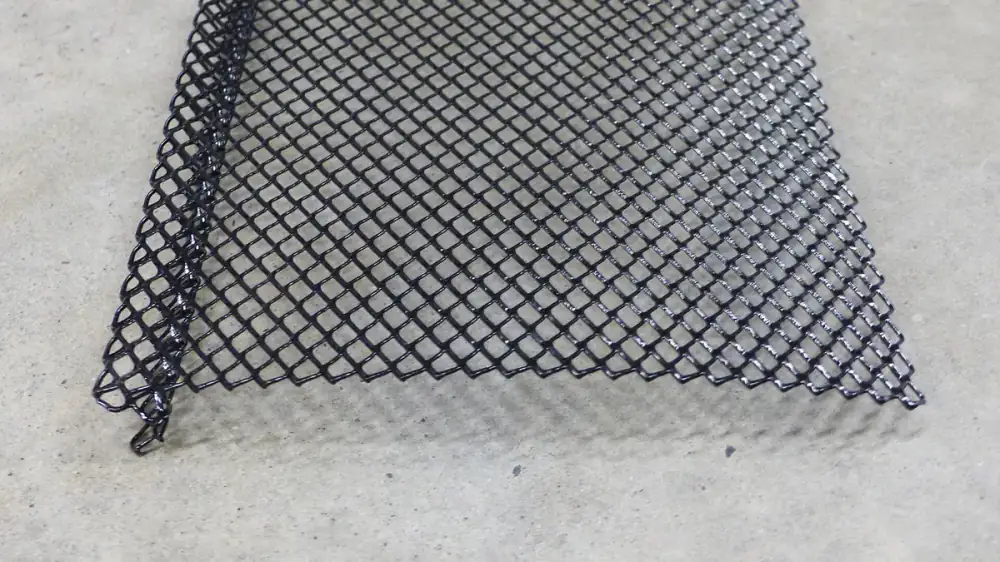
No — gutter guards reduce how often you clean, not whether you have to. They keep out most leaves and coarse debris, but fine grit, shingle granules, pollen and pine needles still get in or pile on top. Guards that collect debris on the surface can even cause overflow if they aren't cleared. Expect less frequent maintenance, not zero.
"Never clean your gutters again." It's printed on the box, repeated in the pitch, and it's the single reason so many homeowners feel quietly cheated a year later, standing in the yard watching rain pour over the front of guards they were told would end all this. The disappointment is real, but it comes from the marketing, not the product. A good guard does something genuinely worth having. It just doesn't do the impossible thing on the label.
The honest version is less catchy: a well-chosen, well-fitted guard can take you from cleaning several times a year down to a single annual check. That's a large improvement. It is not the same as never, and the gap between those two words is where all the trouble hides.
A filter, not a lid
The clearest way to understand a guard is to stop picturing a lid and start picturing a filter. Whether it's a screen, a perforated cover, a micro-mesh panel or a surface-tension helmet, its job is the same paradox: let every drop of water in while keeping solids out. It manages that by blocking the large material — whole leaves, twigs, the matted clumps that pack a trough solid and turn it into a planter box.
That is the real benefit, and it's not small. The debris that most reliably ruins a gutter is exactly what a decent guard refuses. Anyone who has scooped a rotting season of leaves out of a trough by hand understands the value immediately.
But a filter, by definition, has openings — and openings pass whatever is smaller than they are. Whatever the filter doesn't pass, it collects on its own surface. Both of those facts have consequences the box never mentions.
The small stuff a filter can't refuse
This is where "never again" quietly falls apart, because the fine material never goes away.
Windblown grit and dust settle straight through most openings and build a silty layer along the bottom of the trough. Shingle granules — shed constantly by asphalt roofs, and heavily by aging ones — are small enough to slip past many guards and gather around the downspout outlet. Pollen and blossom debris arrive by the ton each spring, coating everything and threading through fine screens. Pine needles are the classic defeat: thin enough to spear through coarse screens, and prone to knitting into mats that ride on top of nearly every guard type. Seed pods and helicopter seeds wedge into openings, sprout in the trapped grit, and hold moisture where you least want it.
None of this signals a defective guard. It's simply what a filter is — a device that stops the big things and either passes or accumulates the small ones. The payoff is a gutter that clogs far more slowly. It is not a gutter that never needs a second look.
The overflow a guard can hand you
Here's the counterintuitive twist that catches people off guard: a guard can produce the very overflow it was sold to prevent, and do it while the trough underneath sits bone dry.
When leaves, needles or seed pods pile onto the surface and soak through, they knit into a wet mat. Rain hitting that mat can't always drain through the openings fast enough, so in a real downpour it runs across the top and pours over the front edge — sailing right past the gutter mouth. Look up during that storm and you'd see water sheeting onto the ground and against the foundation, with a perfectly empty trough beneath it. That's why surface debris matters even when nothing has made it inside. If you've noticed water running behind the gutter or over the edge despite having guards, a loaded surface is the first thing to suspect.
What to actually expect
Set beside the marketing, a fair accounting of a guard looks like this.
| What guards do well | What they don't do |
|---|---|
| Keep out leaves, twigs and coarse debris | Block fine grit, granules and pollen |
| Slow down clogging dramatically | Stop pine needles from matting on top |
| Reduce cleaning to an annual check for most homes | Eliminate cleaning entirely |
| Cut the risk of a packed, overflowing trough | Handle a downpour if the surface is loaded |
For a typical home, a well-matched guard shifts you from cleaning two or more times a year to inspecting once a year and clearing the surface as needed. That is a meaningful, ladder-hours-saving change — just not the erasure the box implies. If you're still choosing, our comparison of micro-mesh versus screen guards spells out how much fine debris each type actually stops.
Reading a guarded gutter that's overdue
The awkward part of a guard is that it removes your habit of looking inside, so the usual warning of a clogged trough never reaches you. You have to learn a different set of signals, mostly read from the ground. Water sheeting over the front edge in rain tells you the surface is blocked even if the trough is clear. A visible mat of leaves or needles on top says the same. Plants sprouting through the guard mean enough grit has collected underneath to grow soil. Staining and streaks on the fascia and siding, granules or dark silt washing out of the downspout, sagging sections where trapped weight has built up, or fresh overflow at seams and end caps — each of these is the guarded gutter's way of asking for attention it can no longer demand the old way.
A few habits keep those signals from turning into damage. Clear the top surface periodically — a leaf blower or a soft brush from a safe position handles most of it, and skipping this is the number-one cause of overflow on guarded gutters. Don't read a dry-looking trough as proof all is well; water may be sheeting over a loaded surface above it. Keep half an eye on the downspouts, where the fine grit that slips past the guard tends to collect and clog the outlet even when the trough looks clean. And match the guard to your actual trees — a coarse screen under pines is a mat waiting to happen.
Some of that upkeep outgrows a homeowner quickly. Bring in a professional when the roof is steep or high or safe ladder placement isn't possible; when guards have loosened, lifted or shifted; when you see persistent overflow, sagging or fascia and soffit damage that surface clearing won't resolve; or when the guards must be lifted and reseated to reach the trough beneath — awkward work that's easy to damage without the right technique.
The takeaway is uncomplicated: a gutter guard is a worthwhile upgrade that makes maintenance easier and rarer. Just don't let the packaging talk you into throwing out the ladder. A guarded gutter is a low-maintenance gutter, never a no-maintenance one.
Questions people also ask
Do gutter guards mean I never have to clean my gutters again?
No. Good guards reduce how often gutters clog and how much coarse debris gets in, but fine grit, shingle granules, pollen and pine needles still accumulate — often on top of the guard rather than inside it. Guarded gutters need less frequent cleaning, not none.
What still gets into gutters that have guards?
Fine material is the main culprit. That includes:
- windblown grit and dust
- shingle granules washed off an aging roof
- tree pollen and blossom debris in spring
- fine pine needles that thread through screens
- seed pods and helicopter seeds
These are smaller than leaves, so many guard types let them slip through or collect them on the surface.
Can debris on top of a gutter guard still cause overflow?
Yes. When wet leaves, needles or seed pods pile on top of a guard, they can block water from reaching the openings. Rain then sheets over the surface and spills past the gutter entirely, which is why guards still need periodic clearing on top.
How often should I check gutters that have guards?
Plan on at least one or two inspections a year, plus a look after major storms. Homes near pines or under heavy tree cover should check more often. The goal is to clear anything sitting on top and confirm water still flows to the downspouts.
Do gutter guards work with pine needles?
It depends on the type. Coarse screens let many fine needles through, and needles also mat on top of most guards. Micro-mesh handles fine needles better but still collects them on the surface, where they need to be brushed off periodically.
When should I call a professional about my gutter guards?
Call a professional when the roof is steep or high, when safe ladder placement isn't possible, when guards have loosened or lifted, or when you see overflow, sagging or fascia damage that clearing the surface won't fix. Removing and reseating guards to clean underneath is also a common reason to hire out the job.

Common Gutter Guard Problems
Guards solve some problems and create others. Here are the most common gutter guard issues — overflow, surface debris, ice, poor fit — and how to spot them.

Micro-Mesh vs Screen Gutter Guards
Both block leaves, but only one stops fine grit and pine needles. Here's how micro-mesh and screen guards compare on debris, upkeep and fit.

Are Gutter Guards Worth It?
Not a scam, not a miracle. Whether guards are worth it depends on your trees, roof and climate — and expecting reduced cleaning, not none. Here's the honest math.