Gutter Guards and Your Shingle Warranty
Some guards fasten under your shingles. That single detail can put a separate, valuable warranty at risk — and most homeowners never think to check until it's too late.
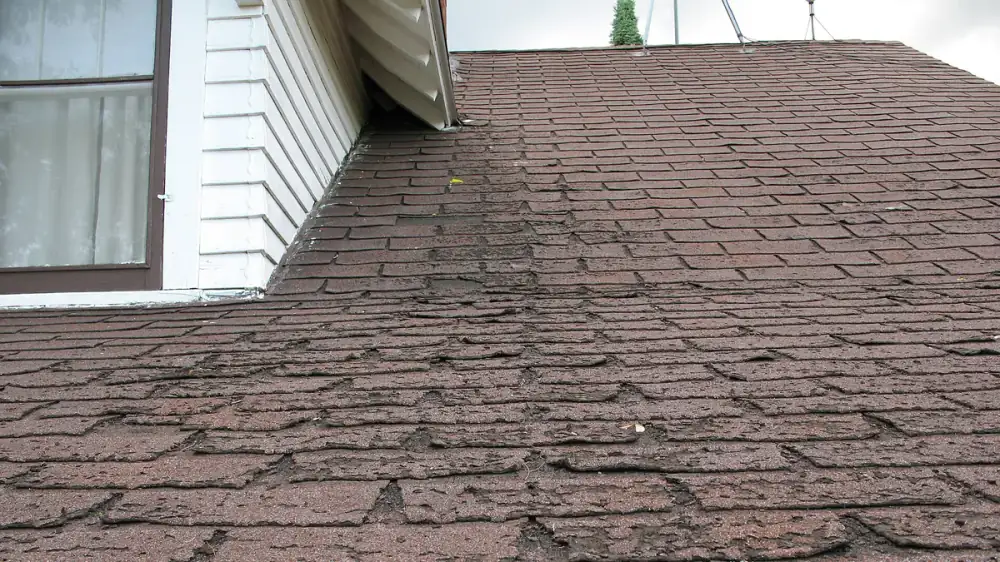
Whether a gutter guard threatens your shingle warranty comes down to how it attaches. Guards that slide under the bottom row of shingles or fasten through the roof deck disturb the surface your roofing manufacturer warranties, and some roofing warranties treat that as an unauthorized alteration. Guards that mount only to the gutter lip or fascia and never touch the shingles are far less likely to be a problem. Before installing, confirm the attachment method, check your roofing warranty's terms on alterations, and if a guard must touch the roof, use an installer your warranty recognizes.
Most homeowners weighing gutter guards are thinking about leaves. Very few are thinking about the document that came with their roof — and that's exactly the one a guard can quietly put at risk. A shingle or roofing warranty is often the more valuable piece of paper you own, covering a far more expensive surface than the gutter beneath it. The way a guard attaches to your home can either leave that warranty untouched or, in the wrong circumstances, undercut it. It's a detail worth understanding before anyone climbs a ladder.
We don't sell guards, so this is a straight look at how attachment methods and roofing warranties interact, and how to keep both protections intact.
The whole issue is where the guard grabs on
Gutter guards attach to a home in a few broadly different ways, and the roof warranty question turns entirely on which one you choose.
Some guards mount only to the gutter — they snap into the trough, clip to the front lip, or rest on the gutter's edges. These never come near the roof surface, so they have essentially nothing to do with your shingle warranty. Others fasten to the fascia board, the vertical trim behind the gutter, which again keeps them off the shingles. But a third group attaches to the roof itself: sliding a flange up under the bottom course of shingles, or driving fasteners through the shingles into the roof deck to hold the guard in place.
That last group is where the warranty question lives. The moment a guard lifts, tucks under, or penetrates the shingles, it's interacting with the exact surface your roofing manufacturer stands behind — and that interaction is what a roofing warranty may care about.
Why roofing warranties care about the shingles being disturbed
A roofing warranty is a promise about an intact, correctly installed roof. Anything that alters that surface after the fact can, depending on the terms, be treated as an unauthorized modification — and many warranties reserve the right to limit or deny coverage when the roof has been altered by someone the manufacturer didn't approve.
There's a practical side too, not just a legal one. Fasteners driven through shingles create penetrations, and penetrations have to be sealed correctly to stay watertight. Done poorly, they can become leak points — the very problem you were trying to avoid. Lifting shingles to slide a flange underneath can, if handled roughly, crack or loosen them, especially on an older roof or in cold weather when shingles are brittle. So the concern isn't only "will the warranty pay" — it's also "will the roof still keep water out." Both point in the same direction: work that touches the shingles deserves real care.
How to keep both warranties intact
The good news is that this is an avoidable problem, not an inevitable one. A few habits keep your guard warranty and your roof warranty from working against each other.
- Ask about the attachment method first — and get it in writing. Before you sign anything, know exactly how the guard fastens to your home. If a company is vague about whether it touches the shingles, treat that as a reason to slow down.
- Favor guards that stay off the roof. All else equal, a guard that mounts to the gutter lip or fascia sidesteps the whole issue. Plenty of capable systems attach this way.
- Read your roofing warranty's terms on alterations and installers. Many specify that only approved contractors may work on the roof. Know what yours says before, not after.
- If a guard must touch the roof, use an installer your roofing warranty recognizes. Often the safest path is to have your roof's own installer, or an approved contractor, handle any under-shingle work — keeping it within the terms that protect your coverage. Ask your roofer directly.
- Keep all the paperwork together. Your roofing warranty, the guard's warranty, and documentation of who installed what. If a claim ever comes up, that file is what protects you.
Under-shingle isn't automatically wrong
It's worth being fair here, because the point isn't to scare anyone off a whole category. Some well-regarded guard systems do attach under the shingles and perform well for years. The risk isn't the method in the abstract — it's disturbing the roof carelessly, or doing the work outside the terms that keep your roofing warranty alive. Installed correctly by someone your warranty accepts, an under-shingle guard can be perfectly fine. Installed by a crew that neither knows nor cares about your roofing coverage, the same guard can cost you far more than it saves. The variable is who does it and how, not the label on the box.
This is really a warranty-literacy question
Step back and this article is one instance of a broader habit worth building: reading what your warranties actually say before you act. The guard's own warranty has its own share of fine print — lifetime clauses, clog-free promises, exclusions — that we unpack in reading gutter guard warranty fine print. The roofing warranty has its own terms about alterations and approved installers. The trap is treating either as a formality. A guard that saves you a few cleanings a year is a poor trade if it quietly voids coverage on the most expensive surface of your house.
If you're still at the stage of deciding whether a guard belongs on your home at all, weigh this alongside everything else in our balanced look at whether gutter guards are worth it, and if you're comparing specific systems, the signs a gutter guard is the wrong fit can help you spot a mismatch before it's fastened to your roof. Browse the full gutter guards library to compare attachment styles with the warranty question in mind — it's easier to choose wisely before install than to unwind a mistake after.
Questions homeowners ask
Can gutter guards void my shingle warranty?
They can, depending on how they attach. Guards that lift or fasten under the bottom course of shingles disturb the roof surface the manufacturer warranties, and some roofing warranties treat that as unauthorized alteration. Guards that clip to the gutter or fascia and never touch the shingles are far less likely to be an issue. The attachment method is the deciding factor, so it's the first thing to confirm before installing.
Which gutter guard attachment methods affect the roof?
The ones that interact with the shingles. Some systems slide a flange under the first row of shingles or fasten through the roof deck, which puts them in contact with the warrantied surface. Others mount only to the front lip of the gutter, snap into the trough, or screw to the fascia board — none of which touch the roof. If keeping your roofing warranty intact matters, favor an attachment that stays off the shingles entirely.
Does putting screws through shingles cause problems?
It can, on two fronts. Fasteners driven through shingles create penetrations that need proper sealing to stay watertight, and improperly done they can invite leaks. Separately, many roofing warranties consider penetrations or alterations by a non-approved installer grounds to limit coverage. That's why under-shingle and through-deck attachments are best handled by a professional who understands both the roof and the warranty terms.
Will my roofer install gutter guards without voiding anything?
Often the safest path is to have the roof's own installer, or an approved contractor, handle any guard that touches the shingles — that keeps the work within the terms that protect your roofing warranty. Ask your roofer directly before hiring a separate guard company. If the guard mounts only to the gutter or fascia, the roofer's involvement matters less, but it never hurts to confirm the plan with whoever holds your roofing coverage.
How do I protect both warranties at once?
Get the attachment method in writing before install, favor guards that mount to the gutter or fascia rather than under the shingles, and check your roofing warranty's terms on alterations and approved installers. If a guard must touch the roof, use an installer your roofing warranty recognizes. Keep all the paperwork together. The goal is a guard whose own warranty and your roof's warranty don't cancel each other out.
Is under-shingle installation always a bad idea?
Not always — some well-regarded systems attach that way and perform well when installed correctly. The risk isn't the method itself but doing it in a way that disturbs the roof or falls outside your warranty's terms. If you choose an under-shingle guard, confirm it's installed by someone your roofing warranty accepts and that the work is documented. Done right, it can be fine; done carelessly, it puts a valuable warranty at risk.
Related guides

Common Gutter Guard Problems
Guards solve some problems and create others. Here are the most common gutter guard issues — overflow, surface debris, ice, poor fit — and how to spot them.

Micro-Mesh vs Screen Gutter Guards
Both block leaves, but only one stops fine grit and pine needles. Here's how micro-mesh and screen guards compare on debris, upkeep and fit.
Do Gutter Guards Eliminate Cleaning?
The honest answer is no. Guards cut how often you clean, not the need entirely. Here's what still gets in and why checks still matter.