Are Seamless Gutters Worth It?
Seamless gutters cost more up front, and the sales pitch can make them sound like a cure-all. Here's an honest look at when the premium actually earns its keep — and when it doesn't.
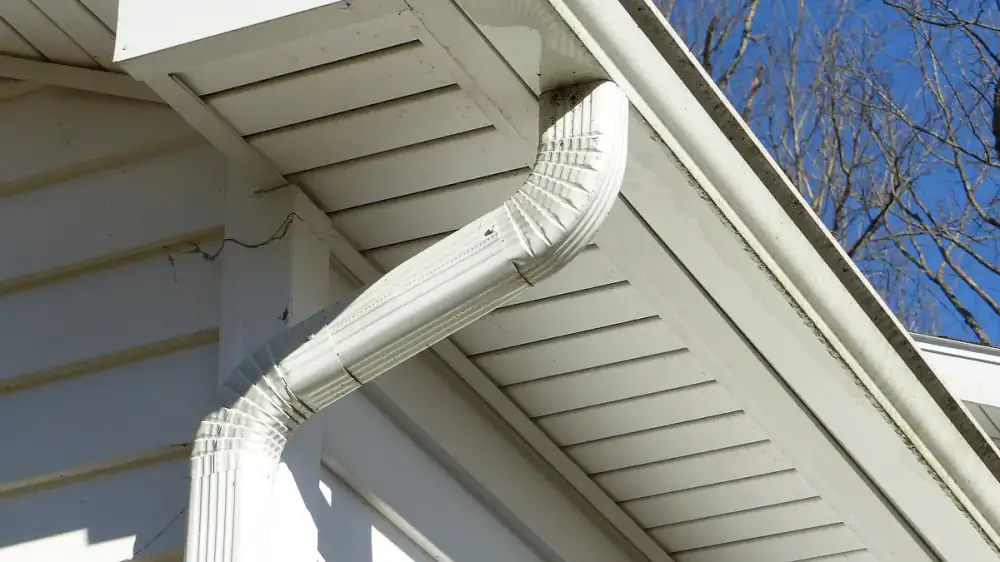
Seamless gutters are worth it for most homeowners planning to stay put, because removing the mid-run joints removes the single most common source of leaks and cuts down on resealing over the years. If you're on a tight budget, plan to move soon, or want a DIY project, sectional gutters remain a sound choice. The premium buys fewer future headaches, not a different level of performance in a downpour.
Walk any gutter installer's showroom and "seamless" gets said the way "stainless" gets said at an appliance store — as if the word itself settles the question. It doesn't. Seamless gutters are genuinely better in one specific, meaningful way, and roughly the same as anything else in every other way. Whether they're worth the extra money comes down to understanding exactly what you're paying more for.
What the premium actually buys
A sectional gutter is assembled from pre-cut lengths joined end to end. Every joint is sealed, and every sealed joint is a small liability that sun, thermal movement, and freeze-thaw cycles slowly work loose. A seamless gutter is formed on site from one continuous coil of metal, so a whole run between corners has no joints at all.
That's the entire pitch, and it's a legitimate one. The comparison between seamless and sectional systems lays out the mechanics, but the short version is this: you are paying more to eliminate the parts of a gutter most likely to fail. You are not paying for a gutter that drains faster, holds more water, or survives a storm better. Capacity and drainage come down to sizing and pitch, which are separate decisions entirely.
So the honest framing isn't "seamless is better." It's "seamless removes the joints, and joints are where the trouble starts."
Where the value is real
For a homeowner who intends to stay in a house for the long haul, the case is strong. Sealant doesn't last forever, and the lifespan of gutter sealant is short enough that a sectional run with several connectors will, over a decade or more, ask for periodic attention at each one. Seamless runs sidestep that recurring chore. You still have corners and outlets to watch, but the long stretches in between simply won't be on your maintenance list.
There's an aesthetic dividend too, and it's more than vanity. A continuous, unbroken line along the fascia looks intentional and well-kept. On a house with long, straight rooflines, that clean sweep genuinely improves curb appeal in a way the seams-every-ten-feet look does not.
And because seamless gutters are always professionally installed, the details that quietly determine whether a gutter works — pitch, hanger spacing, outlet placement — get handled by someone who does it daily. That's not a property of "seamless" as such, but in practice it comes bundled, and it matters more than most homeowners realize.
Where the premium is harder to justify
The value proposition weakens in a few common situations, and it's worth being honest about them.
If you're likely to sell within a few years, you probably won't be around long enough to collect on the reduced maintenance. The lower upfront cost of a sectional system does more for you in that window.
If your budget is genuinely tight and the choice is between seamless gutters now or sound sectional gutters now plus money left over for something more pressing — a roof repair, foundation drainage, tree work — the gutters are rarely where the marginal dollar does the most good.
And if you're a capable DIYer who wants to hang your own gutters, seamless simply isn't an option; the on-site forming is professional work by definition. A well-installed sectional system you maintain attentively will outperform a seamless system you neglect.
The comparison, plainly
| Consideration | Seamless | Sectional |
|---|---|---|
| Mid-run joints | None | One at each connector |
| Ongoing joint maintenance | Corners and outlets only | Every connector, over time |
| Upfront cost | Higher | Lower |
| Installation | Professional only | DIY-friendly |
| Appearance | Continuous, clean line | Visible seams along the run |
| Best fit | Long-term owners | Budgets, DIYers, short stays |
Notice what isn't on that list: drainage capacity, storm performance, and clog resistance. Those depend on gutter size, pitch, and upkeep — not on whether the run has seams. A seamless gutter that's undersized for the roof will overflow just as readily as a sectional one.
Think in years, not in the day of installation
The mistake people make with this decision is comparing two numbers on an estimate. That's the wrong comparison. The right one is total cost across the years you'll own the home, and the two systems tell different stories over time.
A sectional system starts cheaper and then asks for periodic resealing at its joints. A seamless system starts higher and largely stops asking. If you're deciding whether to repair or replace what you already have, and replacement is on the table regardless, the incremental cost of going seamless is smaller than it looks — you're paying for installation either way, and the seamless upgrade is only the difference.
Material choice interacts with all of this. Seamless is most commonly formed from aluminum, which is light, rust-proof, and cheap enough that the seamless premium stays modest. The more expensive the metal, the more the seamless-versus-sectional decision gets swamped by the material decision itself.
A reasonable rule of thumb
If you're replacing gutters and expect to stay in the house, seamless is usually the right call — you're already paying for the labor, the joint savings compound in your favor, and the look is better. If you're on a budget, planning to move, or set on doing the work yourself, sectional is a perfectly respectable choice that has protected houses for generations.
Either way, the gutter only works if it's sized to the roof, pitched to drain, and kept clear. Getting those three things right matters more than the word stamped on the estimate. Seamless is a real, worthwhile upgrade — just not the miracle the showroom makes it out to be.
Answers to common questions
Do seamless gutters add value when selling a house?
They can help at the margins. A clean, continuous gutter line reads as well-maintained to a buyer, and inspectors won't flag leaking joints because there aren't any mid-run joints to leak. But gutters rarely move a sale price on their own the way a kitchen or roof does. Think of seamless as removing a small objection, not as a headline selling point.
Are seamless gutters really worth the extra cost?
It depends on how long you plan to stay. If you'll own the home for many years, the reduced joint maintenance and cleaner look usually justify the premium. If you're likely to move soon, the lower upfront cost of a sectional system may make more sense. The math is about time horizon more than the gutters themselves.
Can seamless gutters still leak?
Yes, just far less often. Seamless runs remove the mid-run connectors where most sectional leaks begin, but they still have sealed corners and downspout outlets, and those can eventually weep. Poor pitch, loose hangers, or overflow from clogs affect seamless gutters exactly the same as any other kind.
Why can't I install seamless gutters myself?
They're formed on site by a roll-forming machine that turns a coil of metal into one continuous length cut to your run. Handling those long pieces and hanging them accurately is genuinely professional work. If you want a DIY project, sectional gutters sold in lengths are the realistic choice.
Is seamless worth it if my current gutters are sectional and fine?
If your existing gutters drain well and the joints aren't leaking, there's little urgency to switch. The best time to consider seamless is when you're already replacing gutters that have reached the end of their life, since you're paying for installation either way.

How Trees Affect Gutter Maintenance
Leaves, pine needles, seed pods and shade each create a different gutter problem. Here's how tree cover reshapes your maintenance schedule.
Why Water Runs Behind Gutters
A missing drip edge, a gutter hung too low, or an overflowing clog — these three causes explain most water that ends up behind the gutter.
Signs Gutters Need Repair Instead of Cleaning
Sagging runs, leaking seams, loose hangers and standing water are repair problems, not cleaning problems. Here's how to tell them apart.