Aluminium Gutters: Care and Durability
Aluminium is the most common gutter material in the US — light, rust-proof and affordable. Here's how to clean, maintain and get the most life out of aluminium gutters.
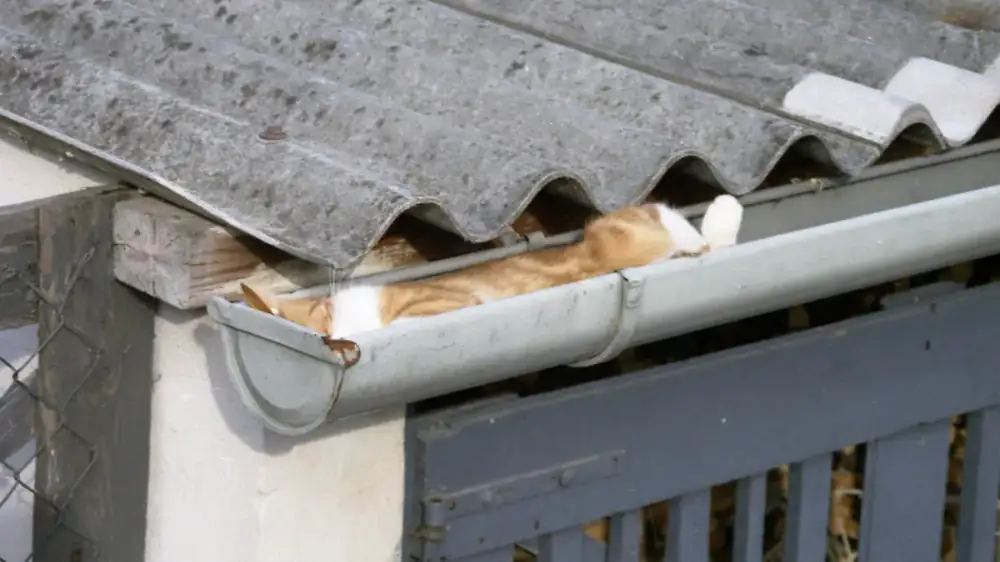
Aluminium is the most common US gutter material because it's light, rust-proof and affordable, and it needs little beyond regular cleaning. Its main weakness is that it's soft — it dents and bends easily, and its light weight means trapped water and debris can pull it loose. Clean the trough by hand (not by blasting it), rinse the outside gently, and don't let debris and standing water sit and strain the hangers.
There is a reason almost every re-guttered home in the country ends up with aluminium at the roof edge. It doesn't rust, it costs little, and it's light enough to be rolled out on site in one continuous seamless run and hung in an afternoon. Painted at the factory, it arrives in a color that holds for years. As a purchase, it is close to frictionless.
But the very properties that make aluminium so easy to install are the ones you have to respect once it's up. It is soft, and it is light. Understand those two facts and almost everything about caring for aluminium gutters falls into place — because its problems are mechanical, not chemical.
The bargain that made it the default
Aluminium won the roof edge by beating its rivals on the numbers that matter to most homeowners. Set it beside the two materials people usually weigh it against and the trade-off is clear.
| Compared with | Aluminium's advantage | Aluminium's cost |
|---|---|---|
| Painted or galvanized steel | Won't rot through in wet climates | Softer, dents more easily |
| Copper | A fraction of the price | Shorter life, less prestige |
It handles the whole rainwater job at the eave — seamless troughs formed on the truck, sectional K-style and half-round profiles, downspouts and elbows to grade, and sometimes matching fascia wrap — working alongside the roofing and drip edge as one system. What it asks in return is simply that you not overload it or gouge it.
Why weight, not water, is the real threat
Aluminium's headline feature is that rain doesn't corrode it the way it eats bare steel. Water sitting in the trough won't rot the metal through. That immunity is genuine, but it can lull you into ignoring the actual danger, which is load.
A gutter packed with wet leaves is carrying real weight, and aluminium is light for a reason — it has little structure to spare. Overloaded, it does not hold; it sags, pulls its hangers out of the fascia, and bends along its length. Trapped, sodden debris also holds moisture against the metal for long stretches, and where aluminium meets a dissimilar metal that damp contact can start galvanic corrosion. So the metal shrugs off water chemically while the pounds of trapped water quietly wreck the system.
Keeping an aluminium gutter healthy is therefore mostly about keeping the load off it. Clear the trough by hand on a schedule your trees dictate — at least twice a year, more under pines or heavy canopy — and scoop the settled grit and roof granules from the bottom before flushing with a hose to confirm the downspouts run free. A spotless trough still overflows if the downspout is blocked, so check both. While you're there, confirm the hangers are tight and the run still pitches toward the outlets. This is ladder work, so do it only from stable footing on level ground, and if the reach feels wrong, stop and rethink rather than overreaching from the top rung.
The soft-metal rule for cleaning the outside
The outside face gets its own kind of grime, most famously the dark vertical "tiger stripes" that run down the front of the trough — airborne dirt lifted by runoff, and almost always purely cosmetic. Faded, chalky patches on older finishes are surface oxidation, equally harmless. Both respond to a simple hand wash with mild detergent and a gentle rinse.
What they don't call for is a pressure washer. Aluminium is soft and its baked-on color is chip-prone, so a concentrated stream can dent the metal and strip the very finish you're trying to clean. Hand washing the exterior is gentler and just as effective on tiger striping. And the inside of the trough should never be "cleaned" by blasting it — packed debris has to come out by hand first, then be flushed. Our comparison of pressure washing versus soft washing explains why soft metals belong at the gentle end of the scale.
Cosmetic blemish or real trouble?
The most useful skill with aluminium is telling a looks problem from a function problem, because the material collects plenty of both.
| Sign | What it usually means |
|---|---|
| Sagging or pulling away | Overloaded trough, failed hangers or lost pitch |
| Dents and creases | Impact from ladders, ice or falling debris |
| Overflow in rain | Clogged trough or downspout, or wrong pitch |
| Leaking seams and joints | Failed sealant or separated sections |
| Tiger striping | Cosmetic runoff staining — washes off |
| Chalky, faded finish | Aged surface oxidation |
Dents, striping and chalking are cosmetic; you can live with them. Sagging, chronic overflow and leaking joints are the ones to act on, and any water staining the fascia below is a warning to move before rot starts behind the gutter. Because most aluminium is seamless, a badly kinked section often means replacing the whole run rather than patching it, which is where our guide on how long gutters last and repair vs. replacement helps you draw the line.
What you can reasonably expect
Kept clear, well hung and undamaged, aluminium delivers long, low-fuss service, and it does so because its one real enemy — rust — never gets a foothold. It outlasts painted or galvanized steel in wet climates and costs far less than copper, which is exactly the balance that made it the default. Its life is limited not by corrosion but by dents, bends and sagging — all of them things you influence directly by how you treat it. Look after the load and the finish, and aluminium tends to bow out on your schedule, not its own.
Related guides
- Copper gutters: care and patina
- Painted and galvanized steel gutters
- How long do gutters last? Repair vs. replacement
- Metal roof edges and drip edge
- Pressure washing vs. soft washing
Frequently asked questions
Can I pressure wash aluminium gutters?
Gently, on the outside. Aluminium is fairly durable but soft, so high pressure can dent it and can chip or strip the baked-on painted finish. A low-pressure rinse or hand washing is safer for the exterior. Never rely on a pressure washer to clean out the inside of the trough — packed leaves and debris need to be cleared by hand first. See pressure washing vs. soft washing.
Do aluminium gutters rust?
No — aluminium doesn't rust the way steel does, which is a big part of its appeal. It can oxidize and chalk on the surface over many years, and it can corrode where it's in contact with dissimilar metals or trapped debris, but it won't develop the rot-through rust that plagues bare steel. This rust resistance is why aluminium became the default gutter material.
Why are my aluminium gutters sagging?
Usually the weight of trapped water and debris, failed or too-widely-spaced hangers, or an original pitch problem. Because aluminium is light and relatively soft, overloaded gutters pull loose or bend rather than hold. Clearing the debris, adding or resecuring hangers, and correcting the pitch typically resolves it. Our guide on gutter repair vs. replacement helps judge when it's fixable.
Can dented aluminium gutters be repaired?
Minor dents are often cosmetic and can sometimes be worked out, but aluminium creases and bends fairly easily and doesn't always return to shape cleanly. Badly dented or kinked sections that disrupt water flow are usually replaced rather than repaired. Because most aluminium gutters are seamless, a damaged run may mean replacing that whole length.
How often should aluminium gutters be cleaned?
The material doesn't change the schedule — it's driven by the trees and debris around your home, typically at least twice a year and more often near heavy tree cover or pines. What matters for aluminium specifically is not letting debris and standing water sit in the trough, since the added weight strains the light metal and its hangers.
Does the painted finish on aluminium gutters need maintenance?
The baked-on factory finish is durable and generally doesn't need repainting for a long time, but it can fade, chalk or chip with age and impact. Washing the exterior keeps it looking good. If it's badly faded or scratched, aluminium can be repainted with a suitable exterior product, though many homeowners simply replace aging seamless gutters instead.
You might also like
Metal Roof Edges and Drip Edge
Drip edge and metal roof-edge trim quietly protect the fascia, decking and gutters. Here's what they do and how to keep them working.
Composite Decking: Care and Cleaning
Composite decking is low-maintenance, not no-maintenance. Here's how to clean it, remove stains and avoid damaging the boards.
Natural Stone: Exterior Care and Cleaning
Natural stone is the most durable exterior surface, but some stones etch or stain easily. Here's how to clean and care for it safely.