Do You Need Gutters on Every Side of the House?
Not every roof edge sheds water, and not every wall needs protecting. Understanding which sides actually matter can save money — or expose a costly gap you didn't know you had.
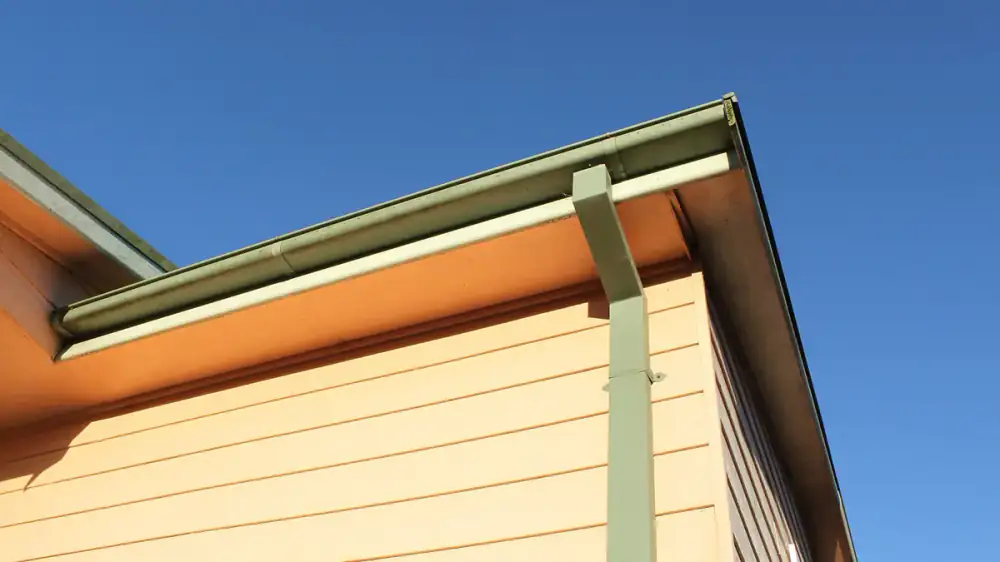
No — you don't automatically need gutters on all four sides. What you need gutters on are the edges the roof actually drains toward, plus any side where the ground slopes back toward the foundation or where runoff would fall on an entryway or path. On a simple gable roof, that's often just the two long eaves; the gable ends catch little and can be skipped. Complex roofs, poor grading, and busy doorways are what turn a partial run into a full one.
It's a fair question, and the answer isn't the reflexive "yes, everywhere" that a salesperson might give. Gutters exist to catch water that the roof concentrates and pours off its edges, and to steer that water away from the walls and foundation. On plenty of houses, some edges do that heavy lifting and others barely get wet at all. Putting gutters where there's no water to catch is money spent on a component with nothing to do; leaving them off an edge that does shed water is the kind of gap that quietly damages a house for years. The trick is knowing which is which.
Start with where the roof drains
Before anything else, look up and ask a simple question of each roof edge: does a roof surface slope down toward it? That's the whole test for whether an edge produces runoff worth catching.
On the most common roof in America — a straightforward gable — the answer sorts the sides neatly. The two roof planes slope down toward the two long walls, dumping all of the roof's water along those two eaves. The other two walls sit beneath the triangular gable ends, and no roof surface drains toward them. Water that falls on the gable end is just rain hitting a wall; there's no concentrated stream pouring off a roof edge for a gutter to intercept. That's exactly why so many houses you pass have gutters on two sides and bare edges on the other two. It isn't an oversight — it's the roof geometry deciding the layout.
Hip roofs, which slope on all four sides, are the opposite: every edge sheds water, so every edge is a candidate for a gutter. Complex rooflines with valleys, dormers, and multiple planes can concentrate water in surprising places, sometimes pouring the output of a large roof area onto a short stretch of edge. The point is that the roof, not the compass, tells you where gutters belong. Understanding the roof edge as the place where water leaves the roof — and where flashing, fascia, and trough all meet — is the foundation of this whole decision, and the broader roof-edge assembly is worth understanding before you decide what to skip.
Then look at the ground and what's below
Roof drainage tells you where water comes off. The ground and the surroundings tell you whether that matters. Two more questions decide it.
First: which way does the ground slope? An edge that sheds water onto ground that falls gently away from the house is far less urgent than one that drains toward the foundation. Runoff that lands where the grade carries it back against the walls is the water most likely to end up in a basement or crawlspace, so those edges earn a gutter even if the volume is modest.
Second: what sits below the edge? A stream of roof runoff pouring onto a walkway, a patio, a front stoop, or a doorway is a daily nuisance and, in winter, an ice hazard. An edge over an entrance often deserves a gutter for comfort and safety alone, regardless of what the soil is doing. And an edge above a garden bed or bare soil will dig a trench and splash mud on the siding over a season, which is its own reason to catch the water.
When a partial run genuinely makes sense
Put those tests together and partial coverage is often the honest answer. The classic case is the simple gable roof: gutters along both eaves, nothing on the gable ends, because there's no roof draining there and no water to catch. Spending on gable-end gutters buys you almost nothing.
Partial runs also make sense on a side that sheds little water and drains onto ground that slopes cleanly away, with nothing below to protect. If a rear elevation sheds gently, the yard falls away from the house, and there's no path or door beneath, a gutter there is a low priority. You're allowed to prioritize the edges that do real work.
There's one place partial coverage needs extra care: houses with little roof overhang. A shallow eave gives runoff no room to clear the wall, so even a modestly draining edge can send water straight down the siding — the challenges of gutters on a house with little roof overhang mean the "skip it" threshold is higher there than on a house with deep eaves.
When skipping a side backfires
The costly mistakes all come from leaving a gutter off an edge that's doing more than it looks. A draining edge with no gutter concentrates roof water into a single falling line that erodes the soil below, splashes dirt and water back onto the siding, and soaks the ground against the foundation with every rain. Do that over a wall where the grade slopes inward and you've built a slow leak toward your basement.
The evidence usually appears before the serious damage does, in the form of streaks, splash lines, and a trench forming in the bed below the edge. Learning to read those clues — the water stains around your gutters and walls — will tell you whether an ungutttered edge is quietly causing trouble and needs a run added.
Think of it as one system, then decide
However you divide the coverage, the parts you do install still have to work together — trough, pitch, outlets, and downspouts moving water from the edge to a safe discharge point, the way the anatomy of a gutter system describes. Partial coverage doesn't mean partial care on the runs you keep.
So the practical approach is this. Walk the house in the rain if you can, or picture where each roof plane sends its water. Gutter every edge the roof drains toward. Then add gutters to any side where the ground slopes back toward the foundation or where runoff falls on a door, path, or bed — and feel free to skip the edges that shed little, drain away cleanly, and have nothing below to protect. That's not cutting corners. It's matching the gutters to the way water actually moves around your particular house, which is what a well-planned system is supposed to do. If you want the fuller picture of what gutters are for before you decide, the overview of gutters ties it together.
Frequently asked questions
Why do some houses only have gutters on two sides?
Because on a simple gable roof, only two sides actually shed water. The roof slopes toward the two long eaves, so those edges collect runoff and need gutters, while the gable ends — the triangular walls under the peak — have no roof draining onto them. Gutters there would catch almost nothing, so builders leave them off.
Is it okay to skip gutters on one side of the house?
It can be, if that side has no roof draining onto it, the ground slopes away from the foundation, and there's nothing below — like a walkway or doorway — that runoff would ruin. Skip a side that does shed water or drains toward the foundation, though, and you've left a real gap that shows up as erosion, staining, or a wet basement.
How do I know which sides of my house need gutters?
Look at where the roof slopes. Any edge that a roof plane drains toward needs a gutter, because that's where water concentrates and pours off. Then look at the ground and what sits below each edge. Sides that shed water, drain toward the foundation, or sit above an entryway or path are the ones that most need a gutter.
Do gable ends need gutters?
Usually not. A gable end is the vertical triangular wall beneath the roof peak, and on a standard gable roof no roof surface drains toward it — the slopes carry water to the long eaves instead. Because so little water reaches a gable edge, gutters there have little to do. Complex or hip roofs change the picture, so it's worth checking your own roof's geometry.
What happens if I don't put gutters where water drains?
Runoff pours straight off that edge in a line, digging a trench in the soil below, splashing soil and water back onto the siding, and soaking the ground against the foundation. Over time that's the recipe for erosion, staining, and foundation moisture. Leaving a draining edge ungutttered is the gap that tends to cause the most trouble.
Related reading

How Trees Affect Gutter Maintenance
Leaves, pine needles, seed pods and shade each create a different gutter problem. Here's how tree cover reshapes your maintenance schedule.
Why Water Runs Behind Gutters
A missing drip edge, a gutter hung too low, or an overflowing clog — these three causes explain most water that ends up behind the gutter.
Signs Gutters Need Repair Instead of Cleaning
Sagging runs, leaking seams, loose hangers and standing water are repair problems, not cleaning problems. Here's how to tell them apart.