The Anatomy of a Gutter System
A gutter isn't one thing — it's a chain of parts, each handing water to the next. When people say 'the gutter's broken,' they usually mean one link in that chain has failed.
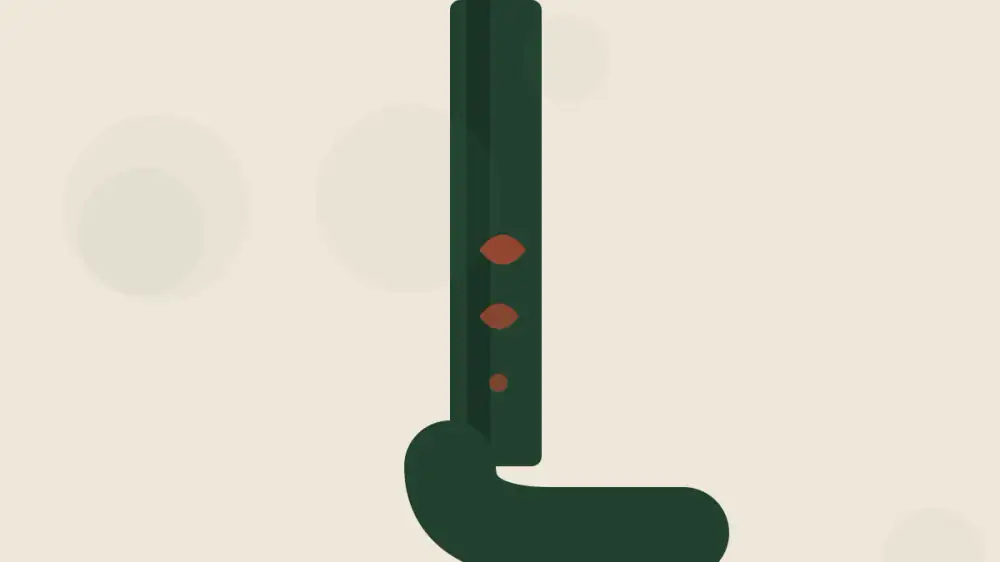
A gutter system is a chain of parts that hand water from one to the next: the drip edge guides roof runoff into the trough, hangers hold that trough at a slight slope, the outlet passes water into the downspout, elbows route it down the wall, and an extension carries it away from the foundation. Nearly every gutter problem is one link in that chain failing — a clogged outlet, a loose hanger, a cracked seam — so knowing the parts is what lets you find and fix the real cause.
When a homeowner says "my gutter is broken," they almost never mean the whole thing has failed. They mean water is going somewhere it shouldn't, and the cause is one specific part in a system of several — a system most people have never really looked at as a set of connected pieces. A gutter is less a single object than a relay team: each component catches water from the one before it and hands it to the one after. Learn the handoffs, and a vague "it's leaking" turns into a precise "the outlet's clogged" or "that hanger let go." This is a tour of the chain, from the roof down to the ground.
Where the water starts: the drip edge
Follow a raindrop and the first part it meets isn't the gutter at all — it's the drip edge. This is a strip of metal flashing at the very edge of the roof, tucked under the roofing material and lapping over the back of the trough. Its job is to guide runoff off the roof and into the gutter rather than letting it curl back and run down the fascia.
It's easy to overlook because it's small and half-hidden, but the drip edge is where the whole system succeeds or fails at the handoff from roof to gutter. When it's missing or poorly set, water gets behind the gutter and the trough below never gets a fair chance. Because it lives at the junction of shingles, fascia, and trough, the drip edge is really part of the larger roof-edge assembly that has to work as a unit before the gutter proper even comes into play.
The trough: the part everyone pictures
The trough is what most people mean by "the gutter" — the open channel running along the eave that catches and carries water. It comes in profiles like the common K-style and the rounded half-round, and in different widths, because the trough is where capacity lives. A wider, deeper channel simply carries more water, which is why matching gutter size to the roof draining into it is one of the most consequential decisions in the whole system.
But the trough on its own is inert. It's a channel; it doesn't move water by itself. What makes it work is the next two parts.
Hangers: the unglamorous heroes
Hangers are the brackets or hidden clips that fasten the trough to the house at intervals along its length. They do two jobs, and both are vital. First, they carry the load — the gutter's own weight plus the water, debris, and, in winter, ice it holds. Second, and less obviously, they set and hold the slope. The trough only drains because it's tilted slightly toward the outlet, and it's the hangers, placed at the right heights and spacing, that establish and maintain that tilt.
When hangers loosen, corrode, or sit too far apart, the trough sags into a low spot, the slope is lost, and water pools instead of draining. A huge share of gutter complaints — standing water, overflow, a visible dip — trace straight back to a hanger problem. They're the least noticed and among the most important parts, which is a fair definition of an unglamorous hero.
Slope: the invisible part
Not every part of a gutter is a component you can hold. The slope — the pitch — is a property the installer builds in, and it's as real a part of the system as any bracket. Without it, the trough is just a level channel that collects water and holds it. The role of slope and pitch is to keep water always moving in one direction, toward the exit, so nothing sits and stagnates. It's created by the hangers, maintained by them, and lost when they fail — which is why slope and hangers are really two views of the same job.
End caps and corners: closing the run
Where a run of gutter stops, an end cap seals it so water doesn't simply pour out the end. Where two runs meet at a corner of the house, a mitered corner joins them and turns the water around the bend. Both are sealed joints, and like all sealed joints they depend on sealant that ages over time. Corners in particular are common leak points, since they combine a joint with a spot where water changes direction and can pile up. The health of these seams comes down to how long the gutter sealant lasts, which is a separate clock from the metal's own durability.
The outlet: the doorway to down
At some point along the trough, water has to leave the horizontal world and head down. It does that through the outlet — a hole in the bottom of the trough fitted with a drop that connects to the downspout. This small part punches above its weight. If the outlet is too small for the flow, or if it clogs with debris, the entire run backs up and overflows no matter how perfectly everything upstream is working. When people find a spotless gutter that still overflows in every storm, a choked or undersized outlet is a prime suspect. It's the doorway between the gutter and the downspout, and a jammed door stops the whole procession.
Downspout, elbows, and the trip to the ground
From the outlet, water enters the downspout — the vertical pipe that carries it down the wall. Because the outlet sits under the eave and the wall is set back, the downspout usually needs elbows: angled fittings that jog the pipe back to the wall at the top and, at the bottom, turn the flow out away from the foundation. The number and diameter of downspouts also govern how fast the whole system can drain, so they're as much a capacity decision as the trough is.
Elbows are worth a note because they're where downspouts most often clog. Every bend is a spot where debris that made it through the outlet can snag and build up, out of sight inside the pipe. A downspout that gurgles or drains slowly frequently has a blockage lurking at an elbow.
The last handoff: getting water away
The final part is the one homeowners most often forget, and it's where a great many "gutter" problems actually originate: what happens when water reaches the bottom of the downspout. A downspout that dumps its whole roof's worth of water at the base of the wall has undone everything the system just accomplished, funneling water straight to the foundation it was meant to protect. An extension, splash block, or buried drain carries that water several feet out to where it can soak away harmlessly. The trough can be flawless and the foundation still gets soaked if this last handoff is missing.
Guards: an add-on, not a part
One component sits slightly outside the chain: gutter guards, the covers or screens that reduce how much debris gets into the trough. They're a useful addition on the right house, but they're an accessory to the system rather than a working link in it — and worth understanding honestly, because they reduce how often you clean rather than eliminating cleaning altogether. Debris still collects on top of them and fine grit still gets through.
Why seeing the chain changes everything
Once you picture a gutter as this relay — drip edge to trough to hangers to outlet to downspout to the ground — troubleshooting stops being guesswork. Overflow that leaves standing water? Look at the outlet and hangers. A drip staining the fascia? Check the seam right above it. Water running down the siding despite gutters? Suspect the drip edge. Each symptom points to a link, and you fix the link rather than blaming the whole. That's the practical payoff of anatomy: not trivia about parts, but the ability to find the one that failed. For the wider view of what all of this is protecting and why, the overview of gutters sets the system in context.
Answers to common questions
What are the main parts of a gutter system?
The core pieces are the drip edge at the roof, the trough that catches water, the hangers that hold the trough and set its slope, end caps that close the run, the outlet where water exits into the downspout, the elbows that route it down the wall, the downspout itself, and an extension or drain that carries water away from the foundation. Each hands water to the next.
What is a gutter outlet?
The outlet, sometimes called a drop outlet, is the fitting at the bottom of the trough where water leaves the gutter and enters the downspout. It's a small part with an outsized role: if the outlet is undersized or clogged, the whole run backs up regardless of how well everything upstream works. It's the doorway between the horizontal gutter and the vertical downspout.
What holds gutters onto the house?
Hangers do — brackets or hidden clips fastened into the fascia or roof structure at intervals along the run. They carry the weight of the gutter plus water, debris, and ice, and they set and hold the slight slope that makes water drain. When hangers loosen or space too far apart, the gutter sags and stops draining, so they're more important than their humble look suggests.
Why does understanding gutter parts matter for repairs?
Because most gutter problems trace to one failing part, not the whole system. Overflow might be a clogged outlet; a leak might be one seam; a sag might be a single hanger. If you know how the pieces connect, you can find the actual link that failed and fix that, rather than replacing everything or treating a symptom while the cause remains.
How do the parts of a gutter work together?
As a relay. The drip edge guides roof water into the trough; the trough, held at a slope by hangers, carries it to the outlet; the outlet feeds the downspout; the elbows and downspout bring it to the ground; and an extension moves it away from the foundation. Each part depends on the one before it, so a weakness anywhere shows up somewhere downstream.
More from this section

How Trees Affect Gutter Maintenance
Leaves, pine needles, seed pods and shade each create a different gutter problem. Here's how tree cover reshapes your maintenance schedule.
Why Water Runs Behind Gutters
A missing drip edge, a gutter hung too low, or an overflowing clog — these three causes explain most water that ends up behind the gutter.
Signs Gutters Need Repair Instead of Cleaning
Sagging runs, leaking seams, loose hangers and standing water are repair problems, not cleaning problems. Here's how to tell them apart.