The Real Cost of Neglecting Gutters
Skipping a gutter cleaning almost never causes obvious trouble the same week. The bill arrives later, and it arrives compounded — fascia, then siding, then the ground under the house.

Neglecting gutters is cheap right up until it isn't. A clog holds water at the roof edge, where it rots the fascia, then overflows onto siding and trim, then saturates the soil and foundation below. Each stage costs more to fix than the last, and all of them are prevented by the one thing that got skipped: keeping the trough clear.
Nobody neglects their gutters on purpose. It happens by omission — a busy autumn, a ladder that felt like too much trouble, a roof edge you can't see from the ground and therefore don't think about. And for a while, nothing happens. That's the trap. Gutters give you no immediate feedback for skipping them, so the consequences feel abstract right up until they're carpentry.
What follows is the chain of damage as it actually unfolds, from a handful of wet leaves to a repair estimate that makes the original chore look absurdly cheap. Understanding the sequence is the point, because the whole argument for maintenance lives in how one small failure hands off to the next.
It starts with standing water where there shouldn't be any
A gutter is designed to be a moving channel, not a container. Water enters at the roof edge, travels the slight pitch of the trough, and leaves through the downspout. The system stays healthy because the water is always going somewhere.
Debris breaks that. Leaves, shingle grit, seed pods and the sludge they decompose into settle in the low spots and around the downspout outlets. Now the channel holds water instead of moving it. That standing water is heavier than a clear gutter was ever meant to carry, and it sits directly against the metal, the seams, and — critically — the back edge nearest the house.
At this stage the cost is still zero. You could reverse all of it in an afternoon. But the clock has started.
The fascia takes the first real hit
The fascia is the horizontal board running along the roof edge, and it's the board your gutter is fastened to. It's usually wood, and it sits exactly where a clogged gutter's trapped water wants to go.
When water backs up in a full trough, it doesn't only spill over the front. It also rises against the back wall and finds the fascia behind the gutter — which is why water runs behind gutters on so many neglected systems. Wood that stays wet doesn't dry out between storms the way it's supposed to. First the paint blisters. Then the surface goes soft. Then the fibers break down and the board begins to rot from the back, where you can't see it.
This is the moment the cost stops being zero. Rotted fascia is a carpentry repair: the board has to be cut out and replaced, often with the gutter removed to do it. And there's a nasty feedback loop here — soft fascia can no longer hold the gutter's fasteners securely, so the run starts to sag and pull away, which traps even more water, which rots more board. Fascia rot is where neglect first turns into a bill, and it rarely stays contained.
Overflow moves the damage down the wall
A gutter that can't drain has to put the water somewhere, and gravity offers only one direction. Every heavy rain now sends a curtain of overflow down the exterior wall.
Siding is built to shed the rain that lands on it, not to take a concentrated, repeated soaking from above. Where overflow runs, you get the tell-tale signs: dark vertical streaks, chalky mineral stains, mildew in the shaded spots. On wood or fiber-cement siding, persistent wetting works behind the boards and into the trim. Around windows and doors, water finds the joints and the caulk lines it was never meant to test.
None of this is structural yet, but it's no longer free either. Repainting a stained wall, replacing a swollen trim board, re-caulking a leaking window surround — these are real jobs. And they're happening because water that should have exited a downspout is instead washing down the side of the house, storm after storm.
The ground is where it gets expensive
Here's the stage most people never connect back to a gutter, because it's the furthest from the roof and the slowest to appear.
All that overflow — the water that isn't being carried away by the downspouts — lands in the same narrow band of soil right against the foundation. That soil was supposed to stay relatively stable. Instead it's now soaking after every rain and drying between them, over and over. Expansive soils swell when wet and shrink when dry, and that constant movement is precisely what pushes and pulls on a foundation. Meanwhile, saturated ground puts hydrostatic pressure against basement and crawlspace walls, and water under pressure finds the smallest crack or cold joint.
This is why a neglected gutter and water pooling near the foundation are the same story told at two different elevations. The symptoms downstairs — a damp basement corner, efflorescence on the concrete, a hairline crack that slowly widens — trace directly back to runoff that was never carried away from the house. And foundation and drainage work sits at the far, expensive end of the home-repair spectrum. The chore that would have prevented it took an afternoon.
The chain, laid out
Seeing the stages next to each other makes the compounding obvious. Each row is caused by the one above it, and each costs more to fix.
| Stage | What's happening | Roughly what it takes to fix |
|---|---|---|
| Clogged trough | Debris turns a channel into a standing-water container | An afternoon of cleaning |
| Rotted fascia | Trapped water breaks down the board behind the gutter | Carpentry, often with the gutter removed |
| Stained, damaged siding | Overflow sheets down the exterior wall repeatedly | Repainting, trim and caulk repair |
| Wet foundation soil | Concentrated runoff saturates the ground at the base | Drainage and foundation work |
The table isn't meant to be precise on cost — that depends on your house, your climate and how far the damage has run. The point is the direction of travel. Water always moves downhill, and so does the price of ignoring it.
Why the cheap chore is the whole defense
There's a reason routine cleaning is the recommendation you hear over and over, and it isn't that the industry loves selling it. It's that clearing the trough is the single intervention that stops the chain before it starts. Every downstream repair exists because the water had nowhere to go; keep it going somewhere, and none of the rest gets a chance to begin.
How often that needs to happen isn't universal — a house under mature oaks in the Northeast is a different case from a bungalow on a bare lot in the Southwest. Matching the schedule to your trees and weather is the actual skill, and it's covered in how often to clean gutters and in how trees affect gutter maintenance. The habit that costs the least is a look during a hard rain: if the water reaches the downspouts and leaves the house cleanly, the chain is broken where it matters most.
Neglect isn't a decision anyone makes deliberately. But the bill it produces is very real, it's cumulative, and it's almost entirely optional. The whole of it can be prevented at the top of the chain — for the price of the one job that keeps getting skipped.
Your questions, answered
How long does it take for a neglected gutter to cause damage?
There's no fixed timeline, because it depends on how much water your roof sheds, how fast debris accumulates, and what's downstream. A single wet season with a fully blocked run can soften a fascia board; a few years of overflow can reach the foundation soil. The damage isn't sudden, which is exactly why it's easy to underestimate — each storm adds a little, and the cost compounds quietly.
Is it really cheaper to clean gutters than to repair the damage?
In almost every case, yes, and the gap is large. Clearing a trough is routine maintenance. Replacing rotted fascia, repainting stained siding, or addressing a wet foundation are structural repairs that involve carpentry, sometimes at height, and sometimes below grade. The chore is small and predictable; the repairs are neither.
Can a clogged gutter really affect my foundation?
Indirectly but genuinely. A blocked gutter dumps concentrated runoff at the base of the wall instead of carrying it away. That repeatedly saturates the soil against the foundation, and soil that swells and shrinks with moisture is what drives settling and basement seepage. The gutter is the first link in a chain that ends at the foundation.
My gutters overflow but the house seems fine — can I wait?
Overflow is the visible symptom of a system that's no longer doing its job, and the parts it protects — fascia, soffit, foundation soil — fail out of sight before they fail obviously. "The house seems fine" often means the damage hasn't surfaced indoors yet, not that it isn't underway. It's worth addressing before the next heavy season.
What's the single most valuable thing to check?
Watch your gutters during a steady rain. Water should run to the downspouts and exit the bottom well away from the house. If it spills over the front edge, sheets down behind the trough, or pools at the foundation, the system is letting water reach the parts it should protect — and that's the moment to act, before the chain of damage advances.

How Trees Affect Gutter Maintenance
Leaves, pine needles, seed pods and shade each create a different gutter problem. Here's how tree cover reshapes your maintenance schedule.
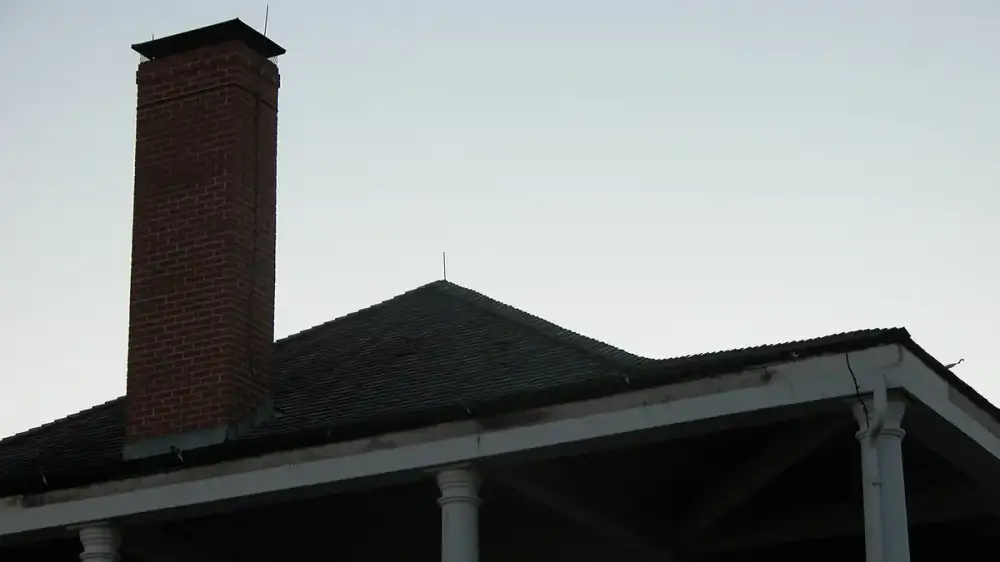
Why Water Runs Behind Gutters
A missing drip edge, a gutter hung too low, or an overflowing clog — these three causes explain most water that ends up behind the gutter.
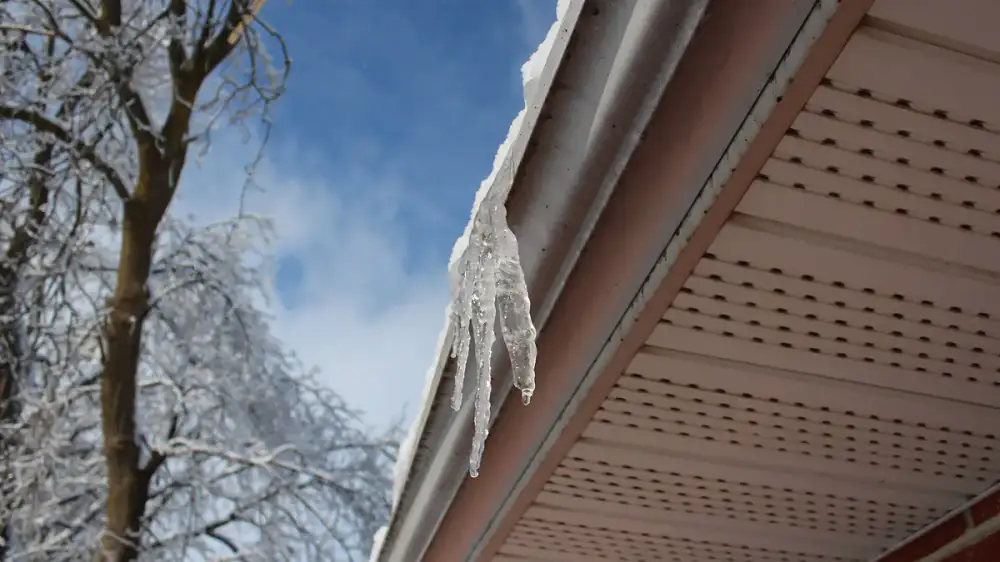
Signs Gutters Need Repair Instead of Cleaning
Sagging runs, leaking seams, loose hangers and standing water are repair problems, not cleaning problems. Here's how to tell them apart.