The Downspout Dumps Water Against the House
A downspout that empties right at the wall delivers a firehose of roof water to the one spot you most want to keep dry — the base of your foundation.
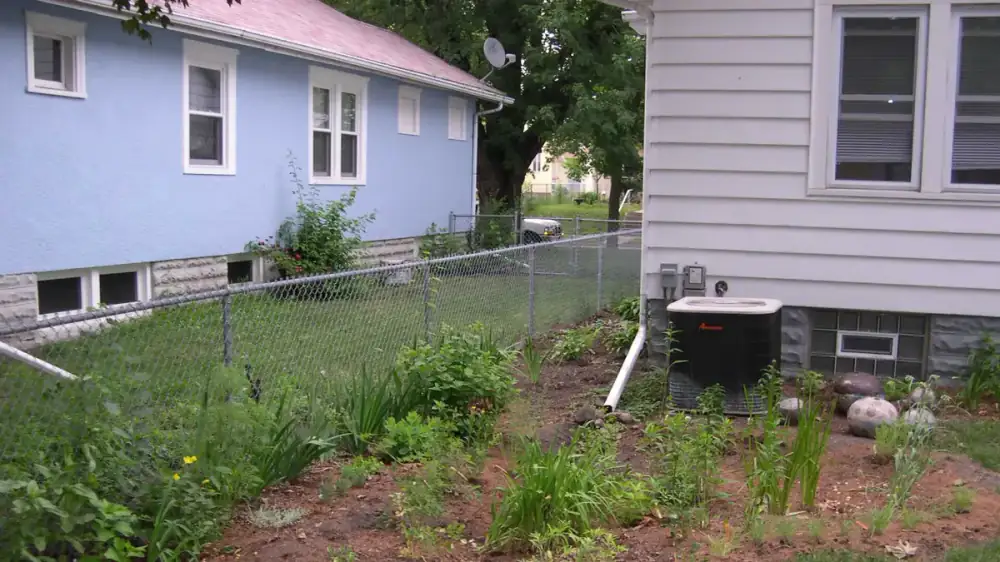
A downspout that empties at the wall concentrates a firehose of roof water at the base of the foundation — exactly where you want it driest. The fix is to carry that water several feet away onto ground that slopes off from the house, using an extension or splash block. Redirecting the discharge protects against pooling, seepage, and erosion far more than any amount of sealing.
Picture the arithmetic for a moment. A good-sized roof section can shed hundreds of gallons during a single serious storm, and every drop of it funnels down one downspout. When that downspout ends flush at the wall, all of that water lands in a tight column against the foundation — the one square yard of your entire property you would most like to keep dry. The gutter system did its job perfectly right up until the last two feet, where it hands the water straight back to the house.
The reassuring part is that this is among the most fixable drainage faults a home can have. Nothing structural has gone wrong. The water simply isn't being carried the final short distance it needs to travel.
It's almost never the pipe's fault
When a downspout dumps at the wall, the downspout itself is usually working fine. The problem lives at the outlet — in whether the water gets carried away or just falls where it lands. A handful of situations produce the same soggy result at the base of the foundation.
The most ordinary one is that nothing extends past the wall at all. The downspout simply stops at the foundation and drops its whole flow there, giving the soil no chance to shed it before the next surge arrives. Close behind is the splash block that has gone missing, cracked, or wandered out of position over the years, so the initial gush now pours straight down and splashes back up onto the siding.
Where a downspout feeds a buried pipe, the failure hides underground. A line clogged with silt, leaves, or roots backs up until the water finds the surface — right at the foundation, exactly where the buried system was meant to prevent it. A buried drain only helps you if it stays clear and actually reaches a safe outlet.
And then there's grade. If the ground at the discharge point tilts back toward the house, you can add all the extension you like and the water will still run home to the wall. Slope and drainage are partners; get one wrong and the other can't compensate.
What the damage looks like as it builds
This is a problem you can watch happen, which is unusual and useful. During a storm, look for the tell-tale stream hitting the wall or hammering the ground right at the outlet. Between storms, the evidence stays behind: puddles and saturated soil at the base of the wall, mulch washed out of the bed, a little channel eroded into the dirt where the water repeatedly lands.
Higher up, splashback leaves damp staining on the lower siding. Lower down and out of sight, the trouble migrates inward — damp patches on the foundation, or moisture showing up in a basement or crawl space beneath that particular corner. If you can trace a wet interior spot back to the nearest downspout outside, you've likely found your culprit; this is the same chain of cause and effect described in wet spots on the foundation after rain. The plainest sign of all is simply a downspout that ends bare at the wall, with no extension or splash block anywhere in evidence.
Diagnosing it without getting off the ground
The whole of this problem is visible from a standing position, and the best time to look is mid-storm. Watch where the water actually goes — a stream slamming the wall or a pool forming at the base is the fault caught in the act.
Then check the outlet itself: is there an extension or splash block present, is it intact, and is it aimed away from the house? Study the slope where the water lands, because ground that runs back toward the foundation is quietly undoing whatever fix sits on top of it. If the downspout feeds a buried line, watch for water surfacing or backing up, which points to a clog below grade. You're not opening anything up or climbing anywhere — just confirming, from safe footing, that the roof water is ending its journey somewhere other than the base of your wall.
Carrying the water where it belongs
The core fix is almost embarrassingly simple: move the discharge. A downspout extension that carries the water several feet out, onto ground that slopes away from the house, resolves the large majority of cases on its own. The water leaves the roof, travels past the danger zone, and keeps going.
Where a full extension isn't practical on a short run, a properly set splash block is the fallback. It won't move water as far, but angled away from the wall and placed where the flow can keep moving, it spreads that first violent gush and cuts the splashback onto the siding.
For either fix to hold, the grade at the landing point has to cooperate. If the ground slopes back toward the house, building it up so it falls away lets your redirected water actually drain off instead of circling back — a detail that ties into the wider matter of water pooling near the foundation. And none of it matters if the gutter and downspout above are choked with debris; keep the whole run clear so the water reaches the outlet you've fixed rather than overflowing higher up.
A few things to steer clear of while you're at it. Don't leave the downspout dumping at the wall in the first place — it's the cheapest foundation-water fix there is and one of the costliest to ignore. Don't reach for foundation sealant while roof water keeps arriving; the moisture and pressure remain regardless. Don't aim an extension onto ground that slopes back toward the house, and don't bury a drain line without a clear plan for where the water exits, or you've just built a clog waiting to happen. And resist the urge to pile soil or mulch against the siding to hide a wet spot, which only traps moisture and invites rot.
The point where you bring in help
Some versions of this problem outrun a splash block. Call in a drainage professional when extending the downspout doesn't dry things out, when the yard itself slopes toward the house and needs regrading, or when a buried drain is clogged, broken, or leads nowhere. Persistent water in a basement or crawl space, or any hint of foundation movement, also warrants a professional look.
If the water keeps reaching the foundation even after you've extended the outlet and checked the slope, treat that stubbornness as the signal — it means the gutters, downspouts, and grade need to be assessed together rather than one at a time. Underground drainage and grading are areas where getting the design right on the first attempt saves a great deal of trouble, and scanning the related drainage problems can sometimes surface a connected cause worth fixing in the same visit.
Your questions, answered
Why is it bad for a downspout to empty next to the house?
Because it concentrates a huge volume of roof water at the base of the foundation — the one place you most want to keep dry. A single roof section can shed hundreds of gallons in a storm, and dumping that at the wall soaks the soil, feeds pooling, and over time contributes to seepage, cracking, and erosion. Carrying the water away from the house is one of the most important things a drainage system does.
How far should a downspout discharge from the foundation?
The goal is to release roof water far enough from the wall that it can't pool or soak in against the foundation, and onto ground that slopes away from the house. Extensions that carry the discharge several feet out make a real difference. The right distance depends on your slope and soil, which is where a drainage professional can advise for your specific lot.
Can I just add a downspout extension myself?
Adding a simple extension or a splash block to carry water away from the wall is a common, manageable ground-level task. The key is directing the water onto ground that slopes away from the house so it keeps moving. If the yard slopes back toward the foundation or the water has nowhere to go, you may need buried drainage, which is better planned with a professional.
What's the difference between a splash block and an extension?
A splash block is a shaped tray that sits under the downspout to spread and redirect the initial flow a short distance from the wall. An extension is a length of pipe or channel that carries the water further out. Splash blocks help with splashback and short distances; extensions are better when you need to move water well clear of the foundation.
The downspout empties into a buried pipe — is that enough?
A buried drain can work well, but only if it's clear and actually carries water away to a safe outlet. Buried lines can clog with debris or roots and then back up, sending water right back to the foundation. If a downspout connected to a buried pipe still floods the base of the wall, the underground line likely needs inspection.
Will fixing the downspout stop my wet basement?
It's often a big part of the solution. A downspout dumping at the wall is a leading cause of water reaching basements and crawl spaces, so redirecting it away frequently reduces the intrusion. If moisture persists after the roof water is carried off, other drainage or waterproofing issues may be involved and a professional should evaluate them.

Why Green Growth Keeps Returning on Siding
Algae and mold return because cleaning removes the growth but not the shade and moisture that feed it. Fixing those conditions is what makes it stop.
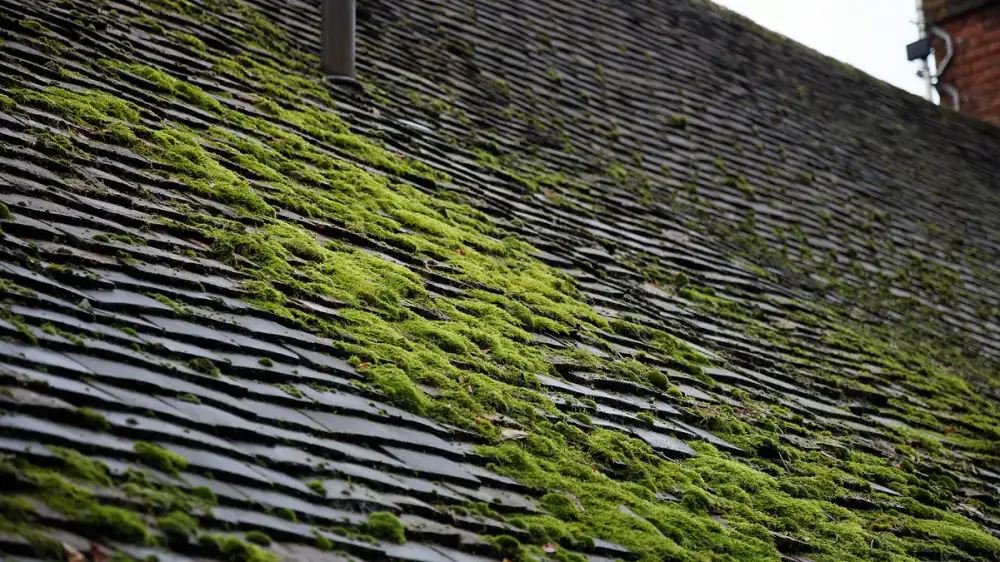
Moss Growing on the Roof: What to Do
Moss takes hold on shaded, damp roof sections and holds moisture against the shingles — but removing it from the roof is risky work for a professional.

Efflorescence: The White Residue on Brick
The white powder on brick is efflorescence — mineral salts drawn to the surface by moisture moving through the masonry and left behind as water evaporates.