Why Exterior Paint Keeps Peeling
Repainting a peeling wall only resets the clock. If paint keeps lifting in the same spots, moisture or a bad surface underneath is the real culprit.
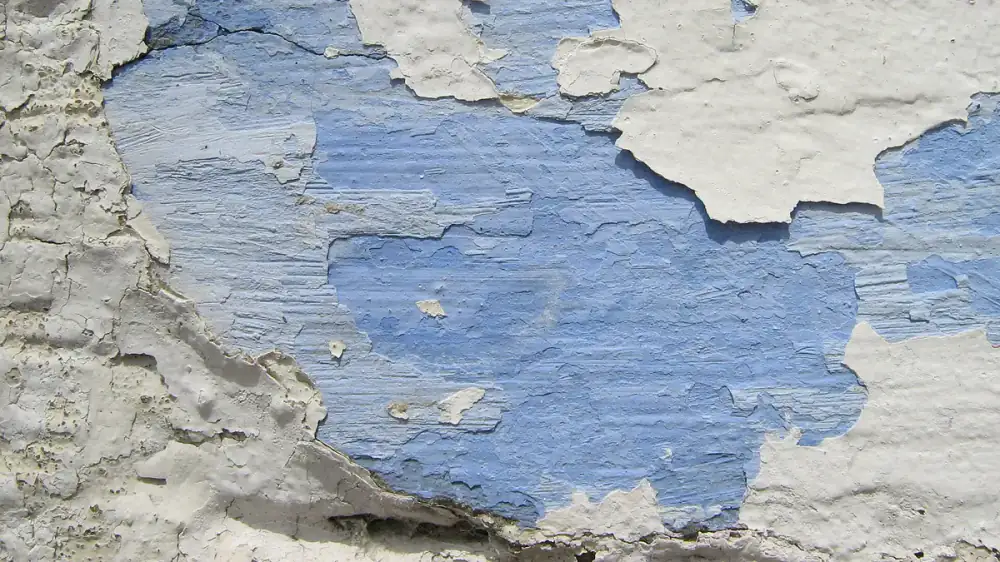
Exterior paint keeps peeling because something underneath keeps undermining the bond — usually moisture reaching the back of the coating, or a surface that was never properly prepped. Repainting without fixing the source just resets the clock. Find and correct the moisture or surface problem first, then remove the failed paint and repaint onto a clean, dry, sound surface.
Repainting an exterior is real, sweaty, weekend-consuming work, which is what makes it so demoralizing to watch a fresh coat blister and flake within a season or two. The natural reaction is to indict the paint, or the painter, or the brand. Occasionally that's fair. But paint that keeps peeling — and especially paint that keeps peeling in the same places — is rarely a story about the paint. It's a story about the condition behind it. Until that condition changes, every new coat is living on borrowed time, and no amount of care in the application will change the ending.
Peeling is a symptom, so start with the pattern
The single most useful thing you can do before buying another gallon is to treat the peeling as evidence and read it, because how and where paint fails tells you why it's failing.
Failure that keeps returning to the same isolated area is the clearest signal of all — it points to a specific, local source that survives each repaint. Failure spread evenly across the whole job points somewhere different, usually toward prep or product applied the same way everywhere. The depth of the peel matters too. Paint lifting all the way to bare wood generally means moisture is reaching the substrate and breaking the bond from behind, or the wood wasn't clean and dry when it was painted. Paint separating between layers instead points to a bonding failure between coats — an incompatible product, a glossy or dirty old surface, or moisture trapped within the layers themselves.
Blistering is worth its own note: when paint bubbles before it flakes, that's very often moisture underneath trying to escape. And the vertical dimension speaks as well — a failure that runs in a streak beneath a gutter seam or downspout implicates drainage almost by itself, while peeling concentrated low on the wall points toward splashback and ground moisture.
What's actually undermining the bond
Behind those patterns sit a handful of causes, and most repeat-peeling traces to the first two.
By a wide margin, the leading cause is moisture reaching the paint from behind. When water gets into or behind the surface — from a leak, gutter overflow, splashback, or even trapped interior humidity — it pushes the coating off from the back as it works its way out. A wall that stays damp will shed paint no matter how skillfully it was applied, because the failure is happening on a face the painter never touched.
Running close behind is poor surface preparation. Paint bonds only to what it physically touches, so a coat laid over a surface that's dirty, chalky, glossy, or still damp never adheres properly and lifts early. Skipping the cleaning, scraping, sanding, or priming is one of the most common reasons a repaint fails fast — and one of the most preventable.
Three other causes round out the picture. Failing paint left underneath carries the old failure forward, since a new coat is only as sound as the layer it clings to. An underlying surface problem — bare or rotted wood, or a chalky, weathered substrate — gives paint little to grip, and where the material itself is degrading (softening trim near the roof edge is a classic example) coatings keep failing until the substrate is repaired. And drainage faults — overflow, a downspout discharging against the wall, splashback off the ground — keep specific areas chronically wet, so paint over those spots peels on repeat while the rest of the wall holds up perfectly.
A ground-level diagnosis before you lift a scraper
You can gather most of what you need without leaving the ground, and the goal of the exercise is narrow but important: separate a moisture problem from a prep problem, because the two lead to entirely different fixes.
Start by mapping where the paint fails. Isolated, repeating spots point to a local source; failure across the whole job points to prep or product. Then watch the wall during and just after rain, looking for overflow, drips, and splashback landing on the failing area. Trace any streaks back to their origin — a gutter seam, a downspout, a low spot that stays wet. Take note of the exposure, since shaded, slow-drying walls hold moisture longer and fail sooner. And look closely at the surface where the paint is already gone: sound, dry wood versus soft, dark, spongy wood is the difference between a coating problem and decay underneath, and it changes the whole scope of the job.
Fixing it in the right order
The sequence matters more than any single step, because doing the steps out of order wastes all of them.
Address the water first. Correct gutter overflow, redirect downspouts away from the wall, and deal with splashback so the problem area can finally dry out. Paint applied over a surface that's still getting wet is guaranteed to fail again, so this comes before anything else.
Then remove every bit of failing paint. Scrape and sand back to a sound, well-bonded surface. New paint inherits the soundness of what it sits on, so leaving loose paint in place simply schedules the next failure.
Prep the exposed and repaired areas thoroughly — clean, dry, and prime bare or patched wood so the new coat has something real to grip. Where the wood itself is soft or damaged, repair the substrate before repainting; when that damage is on trim near the roof edge, it's worth understanding what causes fascia rot so you fix the cause and not just the surface.
Finally, connect the dots on drainage. The overflow that feeds peeling is frequently the same water behind green growth that keeps returning on siding and behind gutters that overflow — solving it once often clears up several symptoms at once.
A few pitfalls are worth naming outright. Don't repaint over peeling paint; the new coat only lifts with the old, and you'll be back at the same spot within a season. Don't skip finding the moisture source, since a fresh coat over a chronically wet surface will fail without fail. Don't paint in poor conditions — damp, cold, or direct-sun surfaces all interfere with proper bonding and curing. And don't seal over damaged or damp wood, which traps moisture in the substrate and accelerates the very decay you're trying to stop.
The work that belongs to a professional
Two things reliably push this job past the DIY line: height and hidden causes. Scraping and repainting upper-story walls or steep areas from a ladder is fall-risk work, and it's the wrong place to be improvising — that alone is reason to bring in someone properly equipped.
Beyond safety, call a professional when the peeling is widespread, when it keeps returning despite your repairs, or when the exposed surface shows soft or rotted wood that needs replacing. A pro can track down a hidden moisture source, handle proper prep and priming, and take the height-related work off your hands. And when the failure keeps tracing back to drainage, it's worth addressing that at the same time — a good moment to run through the exterior maintenance tasks homeowners commonly ignore, so the coat you finally get onto a dry, sound wall actually gets the chance to last.
Questions people also ask
Why does my exterior paint keep peeling in the same spot?
Peeling that returns to the same place almost always points to a moisture source or a surface problem underneath, not the paint itself. Water reaching the back of the coating pushes it off from behind, and a spot that stays wet — under a leaking gutter, near splashback, or over damaged wood — will keep failing no matter how many times you repaint. Fix the source first.
Is peeling paint caused by moisture or bad paint?
Moisture is the most common driver, but poor surface preparation runs a close second. Paint applied over a dirty, damp, glossy, or chalky surface never bonds properly and lifts early. Low-quality product or painting in the wrong conditions can contribute, but a sound coat on a well-prepped, dry surface rarely peels on its own.
Can gutters cause exterior paint to peel?
Yes, and it's a frequent culprit. An overflowing or leaking gutter runs water down the wall and trim it was meant to keep dry, keeping that area constantly damp. Paint over a chronically wet surface loses its bond and peels. If the failure follows a streak beneath a gutter seam or downspout, drainage is very likely the cause.
Do I have to strip all the old paint before repainting?
You need to remove any paint that is loose, flaking, or poorly bonded, because new paint is only as sound as what it sits on. Painting over failing paint just carries the problem forward. Whether a full strip is needed depends on how widespread the failure is, but sound, well-adhered paint can usually stay after proper cleaning and prep.
Why does paint peel down to bare wood versus between layers?
Peeling to bare wood usually means moisture is reaching the substrate and breaking the bond from behind, or the wood wasn't clean and dry when painted. Peeling between layers points to a bonding failure between coats — often an incompatible product, a glossy or dirty old surface, or trapped moisture within the layers. The pattern helps identify what went wrong.
Can I just repaint over peeling paint to save time?
It's tempting but rarely lasts. Fresh paint bonds to the surface beneath it, so applying it over loose or failing paint means the new coat lifts along with the old. Without removing the failed paint, addressing the moisture source, and prepping properly, you'll be repainting the same spot again before long.
More from this section

Why Green Growth Keeps Returning on Siding
Algae and mold return because cleaning removes the growth but not the shade and moisture that feed it. Fixing those conditions is what makes it stop.
Moss Growing on the Roof: What to Do
Moss takes hold on shaded, damp roof sections and holds moisture against the shingles — but removing it from the roof is risky work for a professional.

Efflorescence: The White Residue on Brick
The white powder on brick is efflorescence — mineral salts drawn to the surface by moisture moving through the masonry and left behind as water evaporates.