Gaps Opening Around Windows and Trim
When caulk cracks and joints open up around windows and trim, water gets a path behind the surface. Here's why the gaps appear and how to seal them so they stay sealed.
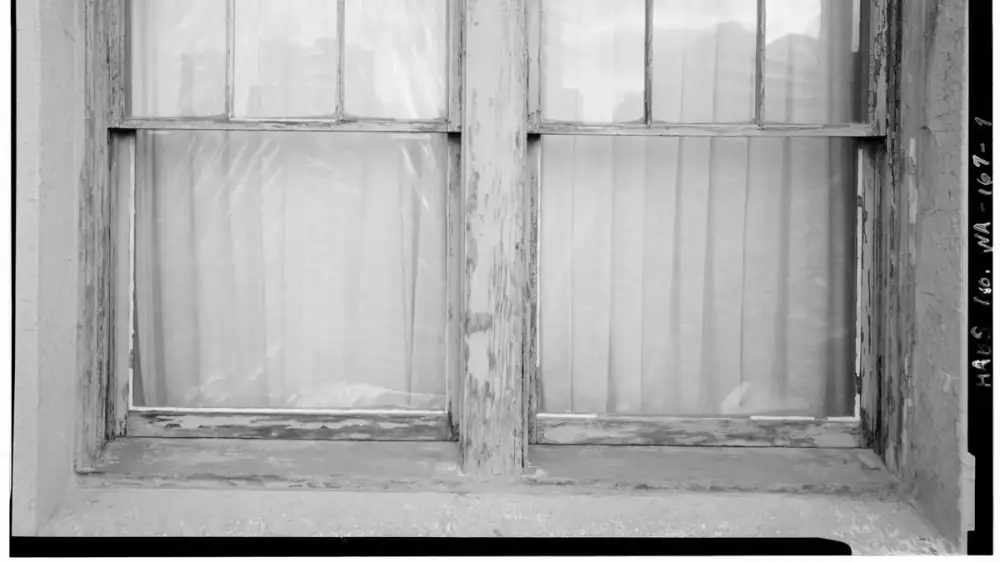
Gaps open around windows and trim because the caulk ages and cracks while the materials expand and contract, and eventually the seal outlives the sealant. Left open, those joints let water slip behind the trim and into the wall. The fix is to remove the failed caulk, clean and dry the joint, and reseal with a flexible exterior sealant — not to smear new caulk over old.
There's a useful way to think about the caulk lines around your windows: they aren't part of the house so much as a consumable laid on top of it. A bead of sealant bridges the seam where two different materials meet — trim against siding, frame against wall — and it does that job for a while, then wears out. When you notice a gap opening, you're really watching a maintenance item reach the end of its service life. That reframing matters, because it points you away from patching over the symptom and toward the small, repeatable job that actually keeps water out.
The joint moves; the sealant eventually can't
Every material on the outside of your house is quietly in motion. Wood trim swells in humid weather and shrinks when it dries, window frames respond to heat and cold, and siding does the same on its own schedule. None of it moves much on any given day, but the seam between two dissimilar materials flexes with every warm afternoon and cool night. Fresh caulk is elastic enough to stretch and compress through those cycles. Aged caulk isn't. It hardens, loses its grip on one side, and finally splits — and the gap you see is the point where the seam's movement finally outran the sealant's ability to follow it.
Sun does most of the aging. Ultraviolet light breaks down the sealant's flexibility, and the joints that fail first are almost always the ones on the sun-facing and weather-facing walls, where the heat-and-cool swing is largest. This is why a north-side window can look fine for years while its south-side twin needs attention every few seasons. It isn't a defect; it's exposure.
Application quality sets the clock, too. Caulk laid over a dusty or damp joint, or a stiff, cheap product used where a lot of movement was going to happen, never had a fair chance. If a gap reopens within a season of being sealed, the how-it-was-done is usually the reason rather than bad luck. The same clean-and-dry logic governs coatings, which is why exterior paint keeps peeling reads as a close cousin to this problem.
Reading a gap: routine wear or a warning
Not every open joint means the same thing, and the difference is worth a minute of attention before you reach for a tube of caulk. A hairline crack in an old bead, with clean trim around it, is ordinary wear. What you're looking for is evidence that the gap has already been working — quietly letting water behind the surface.
- Staining or a darkened streak on the trim or wall near the joint, where water has been tracking in.
- Paint bubbling or peeling around the window, which points to moisture trapped behind the coating.
- Wood that feels soft or spongy at a spot you can reach, a sign the water has been in there long enough to do damage.
- A faint musty smell near the window on the inside.
There's also a rarer category worth naming. Most gaps are caulk and normal movement. But a joint that widens quickly, or shows up alongside stair-step cracks in the wall and windows that have started to stick, may be reporting on the structure rather than the sealant. Settling shifts trim and frames, and no amount of resealing addresses that. If gaps are growing fast or arriving with those companions, that's the case for a closer professional look before you do anything else.
For upper-story windows, do this reading from the ground. A pair of binoculars will show you cracked beads and staining from a safe spot, and there's no good reason to balance on a ladder at height just to confirm what you can see from below.
One gap that should never be sealed
Before you caulk anything, find the weep holes. At the base of many window frames are small slots or openings designed to let water that gets inside the frame drain back out. They look like gaps, and the instinct to seal every opening is exactly wrong here — caulking a weep hole shut traps water inside the frame and turns a drainage feature into a reservoir. If you're not sure which openings are functional, that's a question worth answering before the caulk gun comes out, not after.
Resealing so it actually lasts
For accessible, ground-floor joints, this is well within a homeowner's reach, and the whole difference between a repair that holds for years and one that fails by fall comes down to a single step most people skip.
Take the old caulk all the way out. Scrape and pull the failed bead out of the joint completely. Fresh sealant does not bond to cracked, oxidized caulk or to a dirty surface — it grips clean, sound material or nothing at all. This removal is the repair; the new bead is just the finish on top of it.
Get the joint clean and dry. Clear grit and debris, and give the seam time to dry fully. A damp or dusty joint defeats adhesion just as surely as leaving the old caulk in place.
Lay a flexible exterior bead and tool it in. Use a quality exterior-grade sealant rated for the amount of movement the joint sees, and match it to the materials you're joining. Smooth it so it fully bridges the gap and sheds water rather than holding it.
Leave the weep holes alone, and if your inspection turned up soft wood or staining, deal with what's behind the joint first. Sealing over damaged material just hides it. The way trapped water rots exterior wood is spelled out in what causes fascia rot, and the same process works on window trim.
Where the line is on doing it yourself
The honest boundary here is height and hidden damage. A ground-floor joint you can reach comfortably from stable footing is a reasonable weekend job. An upper-story window that means working from a tall or leaning ladder over a hard surface is not — that access is a professional's job, and no bead of caulk is worth a fall. Likewise, if you found rot behind the trim, or the gaps are opening in a pattern that suggests the house is moving, the right first call is someone who can diagnose what's actually happening rather than reseal a symptom.
There's a quieter reason to bring in a pro as well: they can tell you whether you're fighting simple caulk fatigue or a larger moisture and movement problem that will keep generating gaps until it's addressed. These small joints are easy to let slide, which is why they show up in exterior maintenance tasks homeowners commonly ignore. Keeping ahead of them is unglamorous, but it's the cheapest form of water damage prevention there is — and you can browse related problems for the wider set of issues that all begin the same way, with water finding a path in.
Questions people also ask
Why do gaps keep opening around my windows and trim?
Gaps open because the materials move and the caulk that once bridged them gives out. Wood trim, siding, and window frames expand and contract with temperature and humidity, and over many cycles the caulk loses flexibility, cracks, and pulls away. Sun exposure accelerates the breakdown. The joint that was sealed simply outlives the sealant, which is why these gaps are a recurring maintenance point rather than a one-time repair.
Are gaps around windows and trim a serious problem?
They matter more than they look. Open joints give water a path behind the trim and into the wall, where it can cause rot, staining, and hidden moisture damage. They also let conditioned air escape, affecting comfort and energy use. A small crack isn't an emergency, but sealing it promptly prevents the far more expensive problems that follow when water gets in and lingers.
Can I just add new caulk over the old cracked caulk?
It's tempting but rarely durable. New caulk doesn't bond well to old, failing caulk or to a dirty joint, so it soon lifts and cracks again. The lasting approach is to remove the failed caulk, clean and dry the joint, and apply fresh sealant to sound surfaces. Skipping the removal is the most common reason a resealing job fails within a season.
How do I know if the gap has already let water in?
Look for the signs that water has been sitting where it shouldn't: staining or discoloration on the trim or wall near the joint, paint peeling or bubbling around the window, soft or spongy wood you can feel at reachable spots, and any musty smell nearby. If those are present, the gap has likely been leaking for a while and the material behind it may need a closer look.
Should every gap around a window be caulked?
No — some gaps are intentional. Weep holes at the bottom of a window frame are designed to let water drain out and must stay open. Sealing them traps water inside the frame and makes things worse. The joints to seal are the ones where trim meets siding or the frame meets the wall. When in doubt about which openings are functional, it's worth checking before caulking everything shut.
Why does the caulk around my windows crack so quickly?
Usually because of the wrong product, a poor application, or unavoidable material movement. Caulk applied over a dirty or damp joint, or a low-flexibility product used on a joint that moves a lot, cracks fast. Sun and temperature swings speed things along. Using a quality exterior sealant with enough flexibility, applied to a clean, dry joint, gives the longest-lasting result.
Can gaps around trim be a sign of a bigger structural issue?
Occasionally. Most gaps are simple caulk and material movement, but joints that suddenly widen, appear alongside cracks in the wall, or coincide with doors and windows sticking can point to settling or a structural shift. If gaps are growing quickly or accompanied by those other signs, it's worth having a professional evaluate rather than just resealing.
More from this section

Why Green Growth Keeps Returning on Siding
Algae and mold return because cleaning removes the growth but not the shade and moisture that feed it. Fixing those conditions is what makes it stop.
Moss Growing on the Roof: What to Do
Moss takes hold on shaded, damp roof sections and holds moisture against the shingles — but removing it from the roof is risky work for a professional.

Efflorescence: The White Residue on Brick
The white powder on brick is efflorescence — mineral salts drawn to the surface by moisture moving through the masonry and left behind as water evaporates.