Replacing Fascia and Soffit: What to Expect
Replacing fascia and soffit isn't just swapping boards — it's fixing why they failed first. Here's what the job involves, how it's sequenced, and what drives the cost.
Replacing fascia and soffit is more than swapping out boards — the water source that rotted them has to be fixed first, or the new wood fails the same way. Expect the job to involve diagnosing the cause, removing gutters and old boards, correcting the problem, then fitting and finishing new material. Cost is driven by scope, height, material, and how much hidden rot turns up. It's work best handled by a professional.
There's a temptation to treat failing fascia as a paint-and-carpentry problem: pull the ugly board, nail up a fresh one, call it done. It rarely works that way, and understanding why up front will save you from paying for the same repair twice. By the time wood at the roof edge has gone soft, water has been reaching it for a good while — and that water doesn't care whether the board it's rotting is old or brand new.
So the honest framing for this job is not "replace some trim." It's "end a moisture problem, and replace the trim it ruined on the way out." What follows is what that actually looks like, what makes it more or less involved, and why it sits firmly on the professional side of the line rather than the weekend-project side.
Every replacement is really a leak that already happened
Fascia and soffit don't fail spontaneously. Something has been delivering water to them, and that same something will patiently rot the replacements if it's left alone. The usual suspects are worth naming, because they're what a good contractor goes looking for before touching a board:
- a missing, short, or wrong drip edge that lets runoff run behind the gutter and onto the fascia;
- overflowing or leaking gutters dumping water directly onto the boards — the mechanism in how gutters damage fascia when they overflow;
- failed flashing at the roof edge, letting water in behind the trim;
- trapped attic moisture pushing damp into the soffit from the inside, which is really a ventilation fault.
For the underlying decay itself, what causes fascia rot and the signs soffits have moisture damage go deeper. The point here is that the diagnosis is the first real step of the work — not an optional preamble to it.
The step a cheap quote leaves out
Here's the test for whether you're getting a real repair or a cosmetic one: does the conversation include why the wood failed, or only which boards to swap? A contractor who can point to the source — the short drip edge, the pitched-wrong gutter, the blocked soffit venting — and tell you how they'll stop it is doing the job. One who only wants to talk about linear feet of new fascia is quietly setting you up to do this again in a few years.
Correcting the cause is the difference between a fix that lasts and a clock that quietly resets. New boards over an uncorrected leak rot on the same schedule as the ones they replaced.
Why the two boards travel together
The fascia is the vertical board the gutters hang from; the soffit is the horizontal panel closing the underside of the overhang. They sit inches apart and share the same weather, which has practical consequences:
- reaching the fascia usually means disturbing the soffit and the gutter anyway;
- if water found one, it has very often found the other;
- doing both in one pass is more efficient than two separate mobilizations of ladder, crew, and gutter removal.
A contractor may still replace only sound-adjacent sections if the rest genuinely checks out. But it's wise to expect the scope to grow a little once the boards come off, because hidden rot has a way of extending past what was visible from the ground.
How the work unfolds
Homes differ, but the logic of the sequence almost never does, and the reason is that cause always comes before cure.
| Stage | What happens |
|---|---|
| 1. Assessment | Inspect the eave, find the water source, gauge how far damage extends |
| 2. Fix the cause | Correct the drip edge, flashing, gutter pitch, or ventilation issue |
| 3. Remove gutters | Take down gutters along the affected run to expose the fascia |
| 4. Remove old boards | Pull the damaged fascia and soffit, revealing rafter tails and deck edge |
| 5. Check hidden damage | Inspect rafter tails and sheathing; address any rot found underneath |
| 6. Install new material | Fit and fasten new soffit and fascia, integrated with roof-edge details |
| 7. Rehang and finish | Reinstall gutters, seal, prime, and paint or finish the new boards |
Stage two is the one that separates a lasting repair from a repeat visit, and it's precisely the stage a rock-bottom bid tends to skip.
What moves the number
Prices swing widely by region, home, and crew, so treat any online figure as a planning ballpark rather than a quote. What's consistent is the set of levers that push the total up or down:
- Linear feet replaced. A handful of sections is a modest job; a full perimeter is a major one.
- Height and access. Second-story and steep-roof work costs more for the staging and safety it demands.
- Material choice. Wood, PVC, composite, and aluminum-wrapped options differ in both price and lifespan.
- Hidden damage. Rot in the rafter tails or deck edge, found only once boards are off, adds scope mid-job.
- Related work. New gutters, drip edge, flashing, or ventilation corrections often ride along.
- Finish work. Priming and painting, or color-matched wraps, add labor at the end.
Because so much of that depends on what's found once the eave is opened, the only estimate worth trusting is one made on site, in person.
Knowing you've reached replacement
Repair-someday turns into replace-now when the signs point past the surface. Look for soft, spongy, or crumbling wood at the fascia or soffit; boards that sag or a gutter pulling away from the house; staining that returns after every repaint; gaps or daylight where the soffit meets the wall; pests moving in at the eave; or a musty smell and mold at the overhang. Any one of these means water is winning. If you're weighing whether you've actually crossed the line, when fascia needs replacement helps sort repair from replace.
One caution worth stating plainly: this is not a DIY job for most homeowners. It puts you at height along the roof edge, hands you gutters and flashing to remove and refit, and asks you to correctly diagnose a water source — a combination that goes wrong easily and unsafely. When you spot the warning signs, the right move is to bring in a professional early, while the rot is still contained. A good contractor will show you where the water was getting in, walk you through the sequence, and knit the new boards back into the drip edge, gutters, and ventilation so the fix actually holds. For how all those pieces relate, see how the roof edge works together.
Frequently asked questions
Should fascia and soffit be replaced together?
Often, yes. They sit side by side at the eave and share the same moisture problems, so if one has failed the other is frequently affected too. Accessing the fascia usually means disturbing the soffit and sometimes the gutter, which makes doing them together more efficient. That said, a contractor may replace only the damaged sections if the rest is sound.
Do I have to fix the cause before replacing the boards?
Yes, and this is the step people skip. Fascia and soffit rot because water is reaching them — from a missing or short drip edge, overflowing gutters, poor flashing, or trapped attic moisture. If you install new boards without correcting the source, the new wood will rot the same way. A good contractor diagnoses and fixes the cause first.
How long does a fascia and soffit replacement take?
It depends heavily on how much is being replaced, the height and access, and whether the underlying cause needs correction. A few damaged sections on a single-story home is a much smaller job than a full perimeter on a two-story house with hidden rot. Because scope varies so much, the best estimate comes from an on-site assessment by a contractor.
What factors affect the cost of replacing fascia and soffit?
The main drivers are the linear feet being replaced, home height and access, material choice, how much hidden rot is found once boards come off, and whether gutters, drip edge, or ventilation also need work. Costs vary widely by region and home, so treat any figure as a rough planning number and get an on-site quote rather than relying on averages.
Can I replace fascia and soffit myself?
It's generally not a good DIY project. The work happens at height along the roof edge, involves removing and refitting gutters and flashing, and requires correctly diagnosing why the wood failed. Mistakes can trap moisture, void roofing details, or leave you working from a ladder in unsafe positions. For most homeowners this is work to hand to a professional.
How soon should failing fascia or soffit be dealt with?
Promptly. Once you find soft, rotted, or sagging boards, staining that keeps returning, or soffit damage and pest entry at the eave, the water source is already active and the damaged area only grows. Getting a professional in early means the cause is found and fixed while less wood has to be replaced.
Keep reading
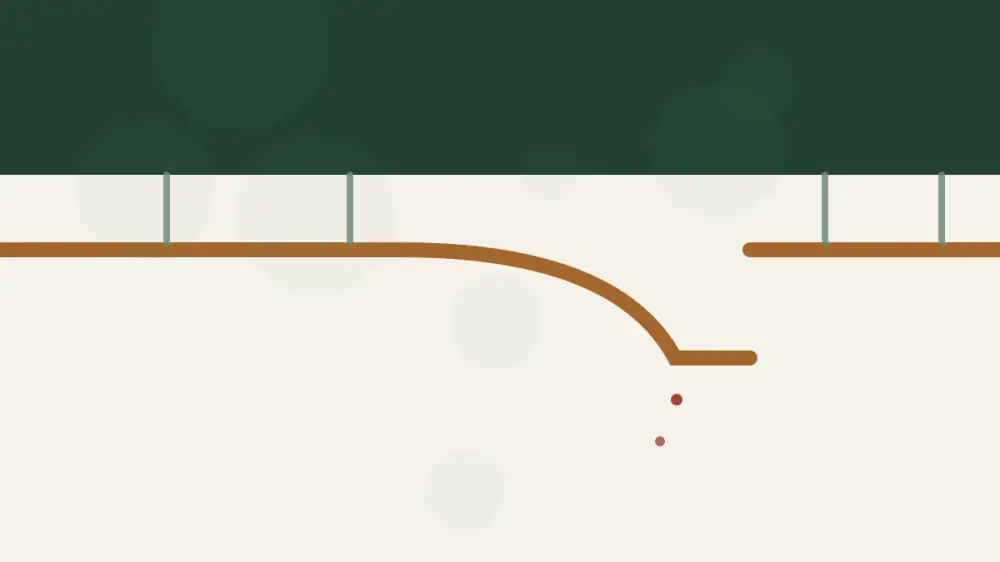
How Gutters Damage Fascia When They Overflow
Overflow sends water onto and behind the fascia, rotting the board and loosening hangers — then the gutter sags and overflows more. Here's the cascade and how to stop it.
Signs Soffits Have Moisture Damage
Staining, sagging, peeling paint, pests and mold under the eaves all signal soffit moisture damage. Here's what causes it and when to call a pro.
Water Stains Below the Roof Edge
Stains under the eave are a map of misdirected water — overflow, water behind the gutter, drip edge trouble, ice dams or condensation. Here's how to read them.