How to Read Your Roofline
Your roof's silhouette is a map of where water goes and where trouble tends to collect. Once you can read the shapes and details, you can predict problems from the sidewalk.
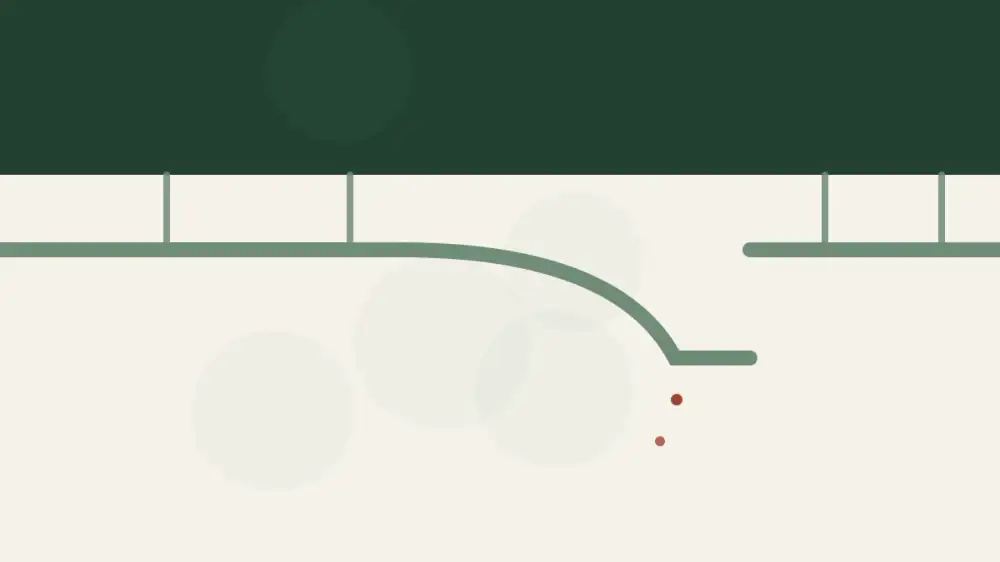
Your roofline is a map of where water goes. Its shapes and details tell you where runoff spreads out and where it concentrates: valleys and intersecting planes funnel large volumes to single points, low slopes drain water slowly, long eaves carry it evenly, and overhang depth decides how much reaches your walls. Learn to read those features from the ground and you can predict which stretches of roof edge take the most punishment — and therefore which ones to watch first.
There's a skill that experienced roofers and inspectors have that most homeowners never develop: they can stand across the street from a house and, before touching a ladder, tell you roughly where its water problems will be. They're not guessing. They're reading the roofline — the shape the roof cuts against the sky — the way you'd read a topographic map. And the encouraging thing is that this is a learnable skill, most of it from the ground.
Water is simple. It runs downhill, it collects wherever geometry gathers it, and it does the most damage where it concentrates and lingers. So if you can read where your particular roof sends its water, you can predict where the trouble tends to start. Here's how to look.
Start with the overall shape
Step back far enough to see the whole roof and notice how complicated it is. A simple gable or hip roof — two or four planes meeting cleanly — moves water in a straightforward way, spreading it fairly evenly along the eaves. There are few places for it to pile up.
Now compare that to a roof with multiple wings, dormers, and changes of direction. Every one of those features is a place where two roof planes meet, and where they meet, water gets funneled. Complexity isn't a flaw — plenty of beautiful, sound roofs are complex — but it does mean more concentration points and more details that have to be executed and maintained correctly. The first thing your roofline tells you is simply how many things have to go right, and where those things are.
Find the valleys — that's where the water piles up
A valley is the internal angle where two roof slopes meet and drain into each other. It's the single most important feature to spot, because a valley collects the runoff from both planes and channels it down to one point at the eave. That concentration is exactly what it sounds like: a large fraction of your roof's water arriving at a narrow band of edge.
Follow each valley down with your eye to where it terminates at the roofline. That termination point — where a river of concentrated water is handed off to the gutter and drip edge — is under more hydraulic stress than any plain stretch of eave. It's where overflow is most likely, where water is most likely to overshoot or run behind the gutter, and therefore where the fascia and soffit below deserve the closest attention. If you notice staining or peeling anywhere on your roof edge, check whether it's downstream of a valley first.
Read the slope
The steepness of a roof changes how it handles water. Steep slopes shed water fast; it doesn't linger, and snow tends to slide off rather than sit. Low slopes drain more slowly, which gives water more time to find any weakness and gives snow and debris more chance to accumulate.
You don't need to measure anything. Just notice whether a section looks steep and fast-draining or shallow and slow. The shallow sections — porch roofs, additions, and dormer tops are common culprits — are the ones where water dwells, and dwelling water is the enemy of every roof-edge component. Where slope is low, drainage details and clear gutters matter that much more.
Study the eaves and how continuous they are
The eave is the horizontal lower edge of the roof — the working front line where roof water is delivered to the gutters and where the fascia, soffit and drip edge live. Look at how long your unbroken runs of eave are and where they end.
Long, continuous eaves distribute water along their whole length, which is generally forgiving, provided the gutter can keep up. The interesting points are the ends and the interruptions: outside corners where two eaves meet, inside corners where a wing joins the main house, and the spots where an eave meets a valley or a wall. These transitions are where flashing details concentrate and where water changes direction, so they carry more risk than the middle of a straight run. The roof edge behaves as a connected system all along the eave — understanding how the roof edge works together makes it clearer why the handoff points are the vulnerable ones.
Notice the rake edges
The rake is the sloped edge of a gable — the diagonal line running from eave up to ridge on the end of the house. Rakes don't collect water the way eaves do; instead they shed it sideways off the slope, and they're more exposed to wind driving rain against them. When you're reading a roofline, the rakes tell you where wind and driven rain hit the edge rather than where runoff concentrates. Both matter, but they're different kinds of stress, and the details that protect a rake aren't quite the same as those that protect an eave.
Measure the overhang with your eye
Finally, look at how far the roof projects past the walls. A generous overhang throws roof water and driven rain well clear of the siding and the foundation below, keeping the walls drier and shading them from sun. A shallow or nonexistent overhang lets water run much closer to — and sometimes down — the walls, and gives the roof edge less margin for error.
Deep overhangs are protective, but they're not a substitute for sound details. A wide eave with a neglected fascia or blocked soffit vents can still trap moisture up under the overhang, which is where the roofline connects to what you can't see from the street: attic ventilation. The relationship between the shape of your roof edge and the air moving through it is covered in roofline and attic ventilation, and it's the part of "reading the roofline" that pays off in ways a silhouette alone won't show.
Turning the map into a plan
Once you've read your roofline, you have something genuinely useful: a ranked list of where to look. The valley terminations, the low-slope sections, the inside corners, the eaves fed by the most roof area — these are your high-attention zones, the places worth checking first and most often. Everything else is lower priority.
That turns roof-edge maintenance from a vague chore into a targeted one. Instead of squinting at your entire perimeter with equal suspicion, you can walk straight to the handful of points your roof's own geometry has flagged. Pair this reading skill with a regular ground-level routine — our guide to inspecting the roof edge from the ground shows the walkthrough — and you'll catch the problems where your roofline told you they'd appear, usually while they're still small.
Questions people also ask
What is a roofline, exactly?
The roofline is the overall outline your roof cuts against the sky — its shape, its slopes, and the edges where it meets the walls. In practice it includes the eaves (the horizontal lower edges), the rakes (the sloped edges of gables), any valleys where two roof planes meet, dormers, and the overhangs that project past the walls. Reading it means understanding how those features route water and where they tend to concentrate it.
Why does the shape of my roof affect water problems?
Because shape determines where water goes and how much of it arrives at any one place. A simple roof spreads runoff evenly along its eaves. A complex roof with valleys and intersecting planes funnels large volumes of water to specific points, and those concentration points take far more punishment than the rest of the edge. The silhouette is essentially a map of where water gathers — and where it gathers is where problems start.
Can I really assess drainage risk just by looking?
You can get remarkably far from the sidewalk. Valleys, low-slope sections, shallow overhangs and long unbroken eaves are all visible from the ground and all tell you something about how water behaves. You won't diagnose a specific defect this way, but you'll know where the vulnerable points are — which is exactly where a closer look is worth spending your attention.
Are complex rooflines always worse?
Not worse, but more demanding. Every valley, dormer and change of plane is both an architectural feature and a place where water concentrates or details have to be flashed correctly. A complex roof simply has more points that must work and more spots where runoff piles up. It can perform beautifully — it just gives you more places to keep an eye on.
Does a bigger overhang always protect the house better?
A generous overhang does keep more roof water and driven rain off the walls and away from the foundation, which is genuinely protective. But depth isn't the whole story — the roof edge details still have to do their job, and a deep overhang with a neglected fascia or blocked soffit vents can still trap moisture. Overhang depth improves the odds; it doesn't replace maintenance.
Related reading
How Gutters Damage Fascia When They Overflow
Overflow sends water onto and behind the fascia, rotting the board and loosening hangers — then the gutter sags and overflows more. Here's the cascade and how to stop it.
Signs Soffits Have Moisture Damage
Staining, sagging, peeling paint, pests and mold under the eaves all signal soffit moisture damage. Here's what causes it and when to call a pro.
Water Stains Below the Roof Edge
Stains under the eave are a map of misdirected water — overflow, water behind the gutter, drip edge trouble, ice dams or condensation. Here's how to read them.