How Roofline and Attic Ventilation Work Together
Attic ventilation is a loop, not a single vent. Here's how soffit intake and ridge exhaust work together — and what poor airflow does to moisture, ice dams, and the roof edge.
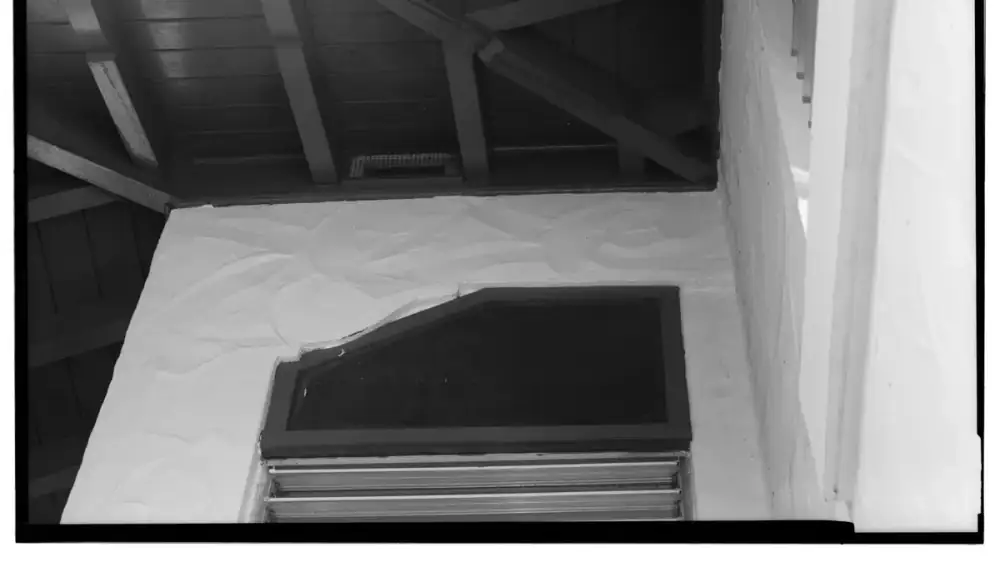
Attic ventilation works as a loop, not a single vent: cool air enters low through the soffit vents at the eaves and warm, moist air escapes high through the ridge vent. You need both intake and exhaust — one without the other barely moves air. Poor ventilation traps heat and moisture, which rots wood, grows mold, and drives the ice dams that damage the roof edge in winter.
Ask most homeowners what attic ventilation is for and you'll hear some version of "letting hot air out." That's half right, which is what makes it misleading. Letting air out only works if there's a matching way for air to get in — otherwise the attic is like a bottle you're trying to pour with your thumb over the second hole. The picture that actually explains what's going on is a loop: air entering low, leaving high, and quietly sweeping heat and humidity out of the attic around the clock.
When that loop is turning, the attic stays close to the outdoor temperature and stays dry. When it stalls — which happens more often than people realize — the damage doesn't stay in the attic. It shows up at the roof edge, in the fascia and soffit and gutters, which is why ventilation belongs in any conversation about the roofline.
Think of it as a current, not a set of holes
The whole system runs on one plain fact: warm air rises. That hands you two jobs to do at two different heights, and they only work as a pair.
- Low, at the eaves — intake. Cool outside air needs a way in, and it enters through vents along the underside of the overhang: the soffit vents.
- High, at the peak — exhaust. Warm, moist air needs a way out, and it leaves near the top of the roof, most often through a continuous ridge vent.
As warm air spills out at the ridge, it drags fresh air in through the soffits behind it. The result is a steady current riding up the underside of the roof deck, carrying heat and humidity out as it goes. Remove either end and the current dies: a ridge vent with no intake has nothing to draw, and soffit vents with no exhaust have nowhere to send what they let in. That's the single idea to hold onto — the two ends work together, and the balance between them matters more than the sheer number of vents you can count.
The two ends of the loop
The soffit is easy to dismiss as trim under the eave, but it's the intake half of the system. Its vents — a continuous perforated strip or a run of individual grilles — are where the loop begins. For a closer look at that side, see soffit ventilation explained.
At the top, the ridge vent runs the length of the peak, hidden under the cap shingles, giving warm air a continuous escape. Some homes lean on gable or box vents instead of, or alongside, a ridge vent, but the principle doesn't change: high exhaust paired with low intake.
Because that intake sits right at the eave, ventilation can't really be separated from the rest of the roof edge. The fascia, the soffit, the drip edge, and the gutters all crowd into the same zone. When the edge is sound and the soffits are clear, the loop breathes; when the eave is stuffed with insulation or the soffit is damaged, intake chokes and the whole current slows. Seeing the edge as one connected system helps here, and how the roof edge works together puts ventilation in that larger context.
What a stalled loop does with moisture
An attic that can't breathe becomes a trap for the humidity rising out of the living space below — from showers, cooking, and simply people breathing all day. With no current to carry it off, that moisture finds the coldest surface around, the underside of the roof deck, and condenses there. Over a single winter that looks like:
- water droplets or frost forming on the sheathing;
- insulation going damp and matted, quietly losing the R-value you paid for;
- mold and dark staining spreading across the wood;
- eventually, decay working into the roof deck and rafters.
That same trapped moisture can also push outward through the eaves, feeding moisture damage under the roof edge and rot in the soffit and fascia. Come summer the failure mode flips: an under-ventilated attic bakes, driving cooling bills up and aging the shingles from beneath.
The ice-dam connection
Ventilation's winter payoff is preventing ice dams, and the chain of cause and effect is short and direct. Heat leaking into a poorly ventilated attic warms the roof deck. Snow on the upper roof melts against that warmth, the meltwater runs down to the cold eave, and there it refreezes into a ridge of ice. That ridge traps more water behind it — water that can then back up under the shingles and into the house.
Good ventilation attacks this at the root by keeping the attic, and therefore the deck, cold and even in temperature. Snow then melts uniformly and drains instead of refreezing at the edge. Insulation and ventilation together are the real prevention; a membrane at the eave only limits the damage once a dam has already formed. For the full mechanism, see how ice dams form at the roof edge, and for the toll they take on the trough, how snow and ice damage gutters.
How a struggling attic tells on itself
A loop that isn't turning leaves evidence, and much of it you can spot without special tools — some from inside the attic, some from the ground.
| Where you notice it | What poor ventilation looks like |
|---|---|
| Attic in summer | Stifling heat, stuffy air |
| Attic in winter | Condensation or frost on the roof deck |
| Roof sheathing | Dark staining, mold, musty smell |
| Insulation | Damp, matted, or compressed at the eaves |
| Soffit | Peeling paint, staining, or blocked vents |
| Roof edge in winter | Recurring icicles and ice dams |
A few of these trace back to well-meaning mistakes rather than a design flaw. Adding a ridge vent while the soffits stay blocked leaves the loop stalled — both ends have to be open and balanced. Insulation shoved tight into the eaves is one of the most common ways intake gets choked, which is why baffles exist to hold the airway open. Mixing several kinds of exhaust vent can backfire, letting them short-circuit and pull air from each other instead of from the soffits. And sealing an attic up tight in the name of energy savings tends to trap moisture and cost more in damage than it ever saves in heat.
Because getting the intake-to-exhaust balance right isn't obvious from the ground, this is a good problem to hand to a professional once the signs appear — condensation, frost, or mold on the deck, recurring ice dams, an attic that runs extremely hot, or simply not being able to tell whether your two ends are matched. A qualified contractor can measure the balance, clear or add soffit intake, correct the exhaust, and tie the fix in with the insulation so the whole loop actually turns. Since so many roof-edge troubles trace back to airflow, getting this right protects the fascia, soffit, and gutters in the same stroke.
Your questions, answered
How does attic ventilation actually work?
It works as a continuous loop driven by the fact that warm air rises. Intake vents low at the eaves — usually soffit vents — let cool outside air in. Exhaust vents high on the roof — usually a ridge vent — let warm, moist air escape. The rising warm air pulls fresh air in behind it, so the attic is constantly flushed. Both halves are needed; one without the other barely works.
Why do I need both soffit vents and ridge vents?
Because ventilation is a loop, not a single opening. Ridge vents let hot air out, but without soffit intake there's little to replace it, so airflow stalls. Soffit vents let cool air in, but without a high exhaust it has nowhere to go. Balanced intake at the eaves and exhaust at the ridge is what keeps air moving through the whole attic.
What are the signs of poor attic ventilation?
Common signs include a hot, stuffy attic in summer, condensation or frost on the underside of the roof deck in winter, a musty smell, mold or dark staining on the sheathing, damp or matted insulation, and recurring ice dams at the eaves. Peeling paint and moisture damage at the soffit can also point to trapped humidity escaping through the eave.
Can poor ventilation cause ice dams?
Yes, it's a major contributor. When a warm attic heats the roof deck, snow melts on the upper roof, runs down to the cold eave, and refreezes into an ice dam. Good ventilation keeps the attic — and therefore the roof deck — cold, so snow melts more evenly and dams are far less likely to form. Ventilation and insulation together are the real prevention.
Do blocked soffit vents matter that much?
Very much. Soffit vents are the intake half of the system, and they're easily blocked by insulation stuffed into the eaves, paint, dirt, or pest nests. When intake is choked off, the whole loop stalls even if the ridge vent is perfect. Keeping the soffit vents clear is one of the simplest, most important parts of attic ventilation.
When is attic ventilation worth a professional assessment?
When you find condensation, frost, or mold on the roof deck, get recurring ice dams, notice the attic running extremely hot, or simply can't tell whether your intake and exhaust are balanced. Assessing ventilation means looking at the attic, roof, and roof edge together, and correcting it can involve adding vents or clearing blocked soffits — work best evaluated by a pro.
Keep reading
How Gutters Damage Fascia When They Overflow
Overflow sends water onto and behind the fascia, rotting the board and loosening hangers — then the gutter sags and overflows more. Here's the cascade and how to stop it.
Signs Soffits Have Moisture Damage
Staining, sagging, peeling paint, pests and mold under the eaves all signal soffit moisture damage. Here's what causes it and when to call a pro.
Water Stains Below the Roof Edge
Stains under the eave are a map of misdirected water — overflow, water behind the gutter, drip edge trouble, ice dams or condensation. Here's how to read them.