What Is a Frieze Board and What Does It Do
The frieze board is the trim that closes the gap where the wall meets the roofline. Here's where it sits, the job it quietly does, and how to keep it sound.
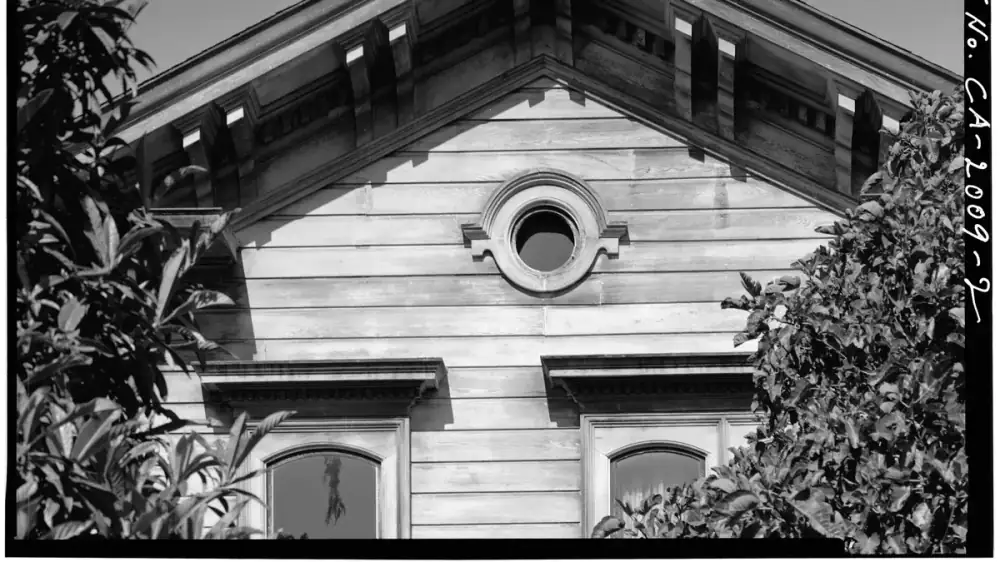
A frieze board is the horizontal trim that finishes the top of an exterior wall where it meets the soffit or roof overhang. It caps the siding, hides the seam between wall and roofline, and helps shed water away from that joint. When it rots or pulls loose, it stops protecting that seam — and water can reach the framing and sheathing behind it.
Ask a homeowner to point to the fascia and most can manage it. Ask them to point to the frieze board and you'll usually get a blank look — even though they've been staring at it for years. It's the clean horizontal line running along the top of the wall, at the exact spot where the siding gives way to the roof overhang. It doesn't draw the eye, and that's rather the point: a frieze board done right disappears into the roofline. But its anonymity has a downside, because a component nobody can name is a component nobody thinks to check.
A word borrowed from architecture
The name is older than the suburbs. In classical architecture the frieze is the flat horizontal band that runs above the columns and below the cornice — the middle stripe of the entablature, often carved. On a house, the term has migrated down to earth to describe the board that runs along the top of the wall just under the eave, filling the same visual slot: a horizontal band separating the wall proper from the roofline that crowns it. Knowing the lineage is useful mainly because it explains the instinct behind the piece. A frieze board is there to resolve a transition cleanly, the way trim has resolved transitions for centuries.
Standing at the junction of two systems
To understand what the board does, picture the two things it stands between. Below it is the wall — siding climbing upward, needing somewhere clean to stop. Above and behind it is the roofline — the soffit reaching back from the edge of the overhang to meet that wall. Where those two arrive at each other, there is a seam, and a seam at the top of a wall is exactly the sort of gap that wind-driven rain and insects go looking for. The frieze board is the trim that covers it.
How exposed that seam gets depends on the house. On homes with generous eaves, the frieze board tucks up under the overhang, fairly well sheltered from direct rain. On homes with shallow overhangs, it sits out in the weather and takes far more of it. In either case it runs horizontally along the wall, typically continuing around the house wherever wall meets roofline, and it usually shares the corner with other trim — the soffit above, the fascia out at the roof edge, and sometimes a length of crown or bed molding tucked into the angle. Our overview of how the roof edge works together shows how all these members lean on one another.
The quiet jobs it does
The frieze board earns its keep through several small tasks that add up to one purpose — finishing and protecting the top of the wall:
- It caps the siding. The top course has to terminate against something. The board gives it a defined edge instead of a ragged or exposed one.
- It closes the seam. That wall-to-soffit joint is a natural entry for weather and pests; the board covers it and keeps most of that out.
- It sheds water. Positioned and painted correctly, it steers runoff away from the joint rather than letting it collect there.
- It gives other trim a landing. Soffit panels and molding frequently butt against the frieze board, which is part of what makes the whole roofline read as intentional.
Not one of those jobs is structural — the board isn't holding up the roof. But it guards a joint that leads straight into the wall, and that makes it matter more than its modest look implies.
Why a small board causes big problems
The top of a wall is one of the wetter intersections on a house. Roof runoff passes just above it, wind drives rain against it, and the soffit and wall meet right there. As long as the frieze board is intact, sealed, and shedding water, that busy joint stays protected and you never think about it.
When the board fails — through rot, a lost paint film, or separation from the wall — the protection vanishes, and water slips behind the trim into the sheathing and framing at the top of the wall. Because the board can look roughly in place from the street the whole time this is happening, the first honest symptom is often something interior and far away: a stain on a ceiling, a soft spot found during unrelated work. That delayed, displaced damage is the real reason a decorative-looking board deserves respect. The same logic applies to exposed wood trim anywhere on the house; our guide to exterior wood trim covers why the paint film is doing more than looking nice.
Reading the board from the ground
Most frieze board trouble is legible from below with a careful look in good light. Peeling, blistering, or chalking paint is the earliest and mildest tell, usually showing first on the sunniest or most weather-beaten walls. Dark staining or streaking suggests water is running across or sitting on the board. Gaps opening at the ends, at butt joints, or where the board meets the soffit or corner trim are openings for water to get behind. Cupping, swelling, or a wavy surface all say the wood has drunk moisture, and a section that's gone soft or crumbling is rot you can often only confirm up close. Perhaps the most telling of all is trim that has pulled away from the wall or soffit, because that opens the very seam the board exists to seal.
One sign on its own is worth a closer look. Several at once — staining together with separation, say — usually mean water is already getting past the trim, and that's a different situation from a board that simply needs paint.
A last, practical caution: reading the board is a ground-level job, and fixing it usually isn't. Light cosmetic upkeep on reachable sections is within reach for many homeowners, but the frieze board lives high on the wall against the roofline, and replacing rotted lengths, resealing the soffit joint, or working off a tall ladder is the kind of task worth handing to a professional — both for safety and because they can find out whether water has already traveled past the trim into the wall. If the paint keeps failing no matter how often you repaint, that stubbornness is itself a clue that the problem is behind the board rather than on it. When you want to size up the surrounding trim yourself first, our walkthrough on how to inspect the roof edge from the ground shows what to look for without leaving solid footing.
Frequently asked questions
What is a frieze board on a house?
A frieze board is a horizontal piece of exterior trim installed at the top of a wall, right where the wall meets the soffit or the underside of the roof overhang. It closes the transition between the siding and the roofline, giving the top of the wall a clean, finished edge and covering the joint where two different materials meet.
What does a frieze board do?
Its main job is to finish and protect the top of the wall. It caps the upper edge of the siding, hides the seam where the wall meets the soffit, and helps shed water away from that joint. On many homes it also gives the soffit and crown trim something clean to land against, which is part of what keeps wind-driven rain out of the wall assembly.
Where is the frieze board located?
Look at the very top of an exterior wall, just below the soffit or the roof overhang. The frieze board is the horizontal band of trim running along that line. On a home with wide eaves it sits tucked under the overhang; on a home with little overhang it may be more exposed to the weather.
Is a frieze board structural?
Generally no. A frieze board is trim, not a load-bearing member, so it isn't holding up the roof. That said, when it rots or pulls away it stops protecting the top of the wall, and water can then reach framing and sheathing behind it. So while it isn't structural itself, letting it fail can lead to problems that are.
How do I know if my frieze board needs attention?
From the ground, look for peeling or blistered paint, dark staining, gaps opening at the ends or seams, and any section that looks swollen, cupped, or soft. Trim that has separated from the wall or soffit is letting water into the joint it is meant to seal. Any of these is a reason to look closer or bring in a pro.
Can I repair a frieze board myself?
Minor cosmetic upkeep at ground level — cleaning, spot-priming, and repainting reachable sections — is within reach for many homeowners. But the frieze board sits high on the wall against the roofline, so replacing rotted sections, resealing joints at the soffit, or working off a tall ladder is work best left to a professional who can do it safely and correctly.
When should I call a professional about a frieze board?
Call a pro when the board is soft or rotted, when it has pulled away from the wall or soffit, when paint keeps failing no matter how often you repaint, or when the work would require climbing high or removing trim. A pro can find out whether water has moved past the trim into the wall and correct both the trim and its cause.
Related reading
How Gutters Damage Fascia When They Overflow
Overflow sends water onto and behind the fascia, rotting the board and loosening hangers — then the gutter sags and overflows more. Here's the cascade and how to stop it.
Signs Soffits Have Moisture Damage
Staining, sagging, peeling paint, pests and mold under the eaves all signal soffit moisture damage. Here's what causes it and when to call a pro.
Water Stains Below the Roof Edge
Stains under the eave are a map of misdirected water — overflow, water behind the gutter, drip edge trouble, ice dams or condensation. Here's how to read them.