Matching Maintenance to Your Local Season Length
A national maintenance checklist assumes an average climate almost nobody actually lives in. The more useful question isn't what season it is — it's which season your region has the most of.

A standard seasonal checklist assumes an average climate almost nobody lives in. The useful question isn't what season it is but which season your region has the most of. In a long-winter climate, weight toward the freeze, ice and snow-load tasks; in a long-summer climate, toward heat, UV and sealant; in a coastal or storm-prone one, toward water and wind. Use published checklists as a starting point to reweight, not a script. As always, do the ground-level work yourself and leave roof and tall-ladder tasks to a professional.
Most exterior maintenance advice, including a fair amount of it, is written for a place that doesn't exist: a tidy four-season climate with a moderate winter, a moderate summer, and balanced spring and fall in between. It's a reasonable default, because you have to write for someone. But almost nobody actually lives in that average. Someone in the upper Midwest lives through a winter that dominates the year; someone in the desert Southwest lives through a summer that does; someone on the Gulf Coast organizes life around storm season; someone in a mild, damp coastal valley barely has extremes at all. Handing all four the same evenly-weighted checklist means each one over-prepares for the parts of the year they hardly have and under-prepares for the season that actually threatens their house.
The fix isn't to throw out seasonal checklists — their underlying logic is sound everywhere. It's to reweight them. The better question to carry into maintenance isn't "what season is it right now," but "which season does my region have the most of, and which one does the real damage here." Answer that, and a generic checklist turns into one that fits your actual house.
Read your climate before your calendar
Figuring out your weighting is mostly a matter of honest observation, and you probably already know the answer from experience. Which extreme does your region have the most of? And, separately, which one causes the problems you actually see — the things that break, rot, fade, or fail around your neighborhood?
Those two questions usually point the same direction, but not always, and where they diverge is instructive. A region might have long summers but do most of its damage in the brief, violent storm season. A place with mild temperatures year-round might have no dramatic season at all, yet lose houses slowly to constant damp. The point is to let your local reality, not a national template, decide where your effort goes. Once you've named your dominant stressor — freeze, heat, storms, or steady damp — you have the key that reweights everything else.
The long-winter house
Where winter is long and hard, the freeze becomes the organizing event of the entire year, and maintenance clusters around it on both ends. The fall is dominated by getting ahead of it — the whole logic of the first-freeze checklist carries far more weight here than it does in a mild climate, because the penalty for missing that deadline is a whole winter of consequences. Once the cold sets in, the work shifts to the patient, ground-level vigilance a long winter demands: watching for ice dams, reading meltwater during thaws, keeping an eye on snow load, all of it done from the ground as covered in the winter exterior maintenance checklist.
Then spring in a long-winter climate is largely a recovery operation. Freeze-thaw cycles are brutal on gutters, seams, sealant, and hardscape, so the post-winter walk-around finds more damage and needs more follow-up than it would somewhere milder. What gets trimmed, by contrast, is the summer-heat portion of the checklist: a short northern summer simply doesn't put the same sustained UV and heat load on finishes, so the sealant and sun-damage vigilance that dominates a southern year can be lighter here. Weight fall and winter heavily, spring moderately for repair, and summer lightly.
The long-summer house
Flip the geography and the emphasis inverts. Where summer is long and intense, heat and UV are the year's dominant stressors, and they work on a house continuously for months. Sealant, paint, and finishes degrade faster and need checking and renewing more often, algae on the shaded walls is a longer-running battle, and the south- and west-facing surfaces take a beating that never really lets up. Everything in summer heat and your home's exterior gets promoted from a seasonal footnote to a central, recurring concern.
In this climate the fall freeze prep that anchors a northern year shrinks to a minor task or disappears entirely, while the emphasis moves onto protecting finishes from the sun and staying ahead of heat-driven wear. If your region gets occasional hard freezes despite its long summers, you still need the basic winterizing — draining faucets, that first-freeze discipline — but it's a small chapter rather than the whole book. Weight summer heavily, the shoulder seasons for finish renewal and cleaning, and winter lightly.
Storm-prone and mild climates
Two other patterns don't fit the winter-versus-summer axis at all and deserve their own weighting.
A storm-prone or coastal region organizes around water and wind more than temperature. Here the dominant work is resilience against intrusion — drainage that can handle intense rain, sound sealant and trim that wind-driven water can't get behind, and a disciplined pre-season readiness rather than a temperature-driven calendar. The damage tends to arrive in events, so the post-event walk-around becomes a routine fixture, and salt and wind add a steady corrosive load on top of the acute storm risk.
A mild, temperate climate is the quiet case. With no dramatic season to prepare for, it's tempting to think there's little to do — but mild regions usually trade acute seasonal damage for a chronic, low-grade load: persistent damp and algae in a wet valley, salt air near the coast, a constant slow weathering that never spikes but never stops. The maintenance that suits this is less about beating deadlines and more about steady upkeep, which rewards a consistent light routine — the kind of monthly exterior home checks that catch slow problems — over big seasonal pushes that a mild climate never forces.
Reweight, don't rewrite
None of this means abandoning the checklists everyone else uses. It means treating them as a well-built starting point and adjusting the emphasis to your reality: take a standard seasonal list, identify which season dominates your climate, expand the tasks for that season, and trim the ones for the seasons you barely have. The bones are sound everywhere; what changes region to region is where you spend your attention. Build that weighting into whatever exterior maintenance plan you keep, and cross-check it against the full-year view on the seasonal-care hub, so the plan reflects the climate outside your door rather than the average one on the page. Your house doesn't live in the national average. Its maintenance shouldn't either — and the safe, ground-level approach that runs through all of this holds regardless of which season you weight toward, with roof and tall-ladder work left to a professional in every climate.
Questions homeowners ask
Why doesn't a standard seasonal checklist work everywhere?
Because it's written for an average four-season climate that few regions actually match. A place with long, hard winters and short summers faces mostly freeze, ice and snow-load problems; a place with long, intense summers faces mostly heat, UV and algae. A generic checklist gives equal weight to each season, so it over-prepares you for the mild parts of your year and under-prepares you for the dominant one.
How do I know which season to weight my maintenance toward?
Ask which extreme your region has the most of and which does the most damage locally. If winter is long and hard where you live, weight toward freeze and ice tasks. If summer is long and punishing, weight toward heat, UV and sealant. Coastal and storm-prone areas weight toward water intrusion and wind. Your own experience of what breaks and when is the best guide.
What changes in a long-winter climate?
The freeze becomes the organizing event of the year. You spend more effort getting ahead of the first freeze, managing snow load and ice dams from the ground through a long cold season, and repairing freeze-thaw damage each spring. Water tasks cluster around beating the freeze in fall and reading meltwater in the thaw, and the short summer needs comparatively little heat-related attention.
What changes in a long-summer climate?
Heat and UV become the dominant stressors. Sealant, paint and finishes wear faster and need checking and renewing more often, algae on shaded walls is a longer-running battle, and the intense sun on south- and west-facing surfaces drives most of the wear. Winterizing still matters if freezes occur, but it's a smaller part of the year than in a northern climate, and the emphasis shifts to protecting finishes from the sun.
Does a mild climate mean less maintenance?
Less of the extreme-driven work, but not none. Mild regions often trade dramatic seasonal damage for steadier, quieter problems — persistent damp and algae in a wet, temperate climate, or salt and wind in a coastal one. The tasks are less about beating a deadline and more about keeping up with a constant, low-grade load, which rewards a steady routine over big seasonal pushes.
Can I still use published seasonal checklists?
Absolutely — just treat them as a starting point to reweight, not a script to follow evenly. Take a standard checklist, identify which season dominates your local climate, and expand the tasks for that season while trimming the ones for the seasons you barely have. The bones of a good checklist are sound everywhere; matching it to your season length is about emphasis, not throwing it out.
Related guides
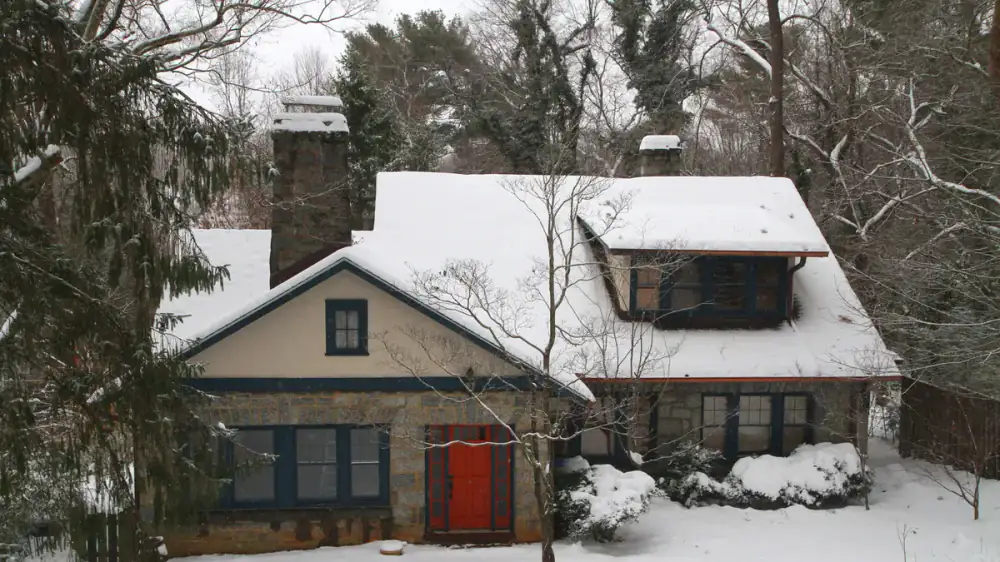
Winter Exterior Home Maintenance Checklist
A grouped, printable winter checklist for snow, ice, frozen gutters and storm damage — built entirely around safe, ground-level observation and knowing when to call a pro.
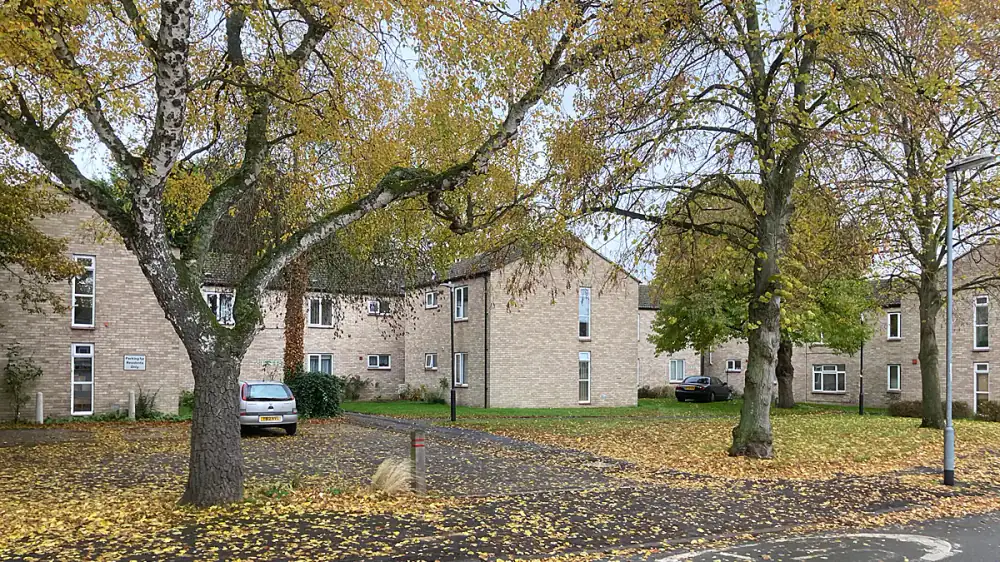
Autumn Exterior Home Maintenance Checklist
A grouped, printable fall checklist for leaves, pine needles, gutter guards, downspouts, roof edge and freeze prep — with an emphasis on safe, ground-level work.
Post-Storm Exterior Inspection Checklist
A grouped, printable checklist for post-storm home exteriors, focused on safe ground-level observation and knowing when to call a roofing professional.