Best Time of Year to Pressure Wash
There is no single right month — the best time depends on your climate, the task, and the weather that week. What matters most is temperature and drying conditions, not the calendar.

There is no single best month. The timing that matters is a mild, dry, above-freezing stretch, out of harsh midday sun, so cleaning solutions have time to act and the surface can dry fully once you finish. Across most of the country those conditions cluster in late spring and early fall — but your climate and the specific job shift the window more than the calendar does.
If you ask a dozen people when to pressure wash, half will name a month and the other half will hedge. The hedge is closer to right. The calendar is a convenient shorthand, but it is only ever standing in for the two things that genuinely decide how a wash turns out: how warm it is while you work, and how well the surface dries afterward. Nail those two, and the month on the wall is almost incidental.
It is the week, not the month
Cleaning solutions are chemistry, and chemistry has a comfortable temperature range. In the cold they turn sluggish and half-hearted; near freezing, water becomes a hazard rather than a tool, glazing steps and equipment with ice. In blazing heat they flash off the wall before they have loosened anything, streaking as they go. Somewhere in the middle is a band where they simply do their job.
Drying is the second half, and the half people forget. A wall that stays damp for days after cleaning is an invitation, not an accomplishment — algae and mildew move back into a surface that never gets a chance to dry out. So a favorable window is really two windows stacked: mild air while you work, and a dry spell behind it. A gray, mild, rain-free afternoon often beats a brilliant hot one for exactly that reason.
How the four seasons behave
None of the seasons is simply "good" or "bad." Each one hands you something and asks for something in return.
| Season | What it offers | What to watch |
|---|---|---|
| Spring | Washes off winter film, pollen, and early growth | Cold snaps and long wet stretches that stall drying |
| Summer | Fast drying and long daylight | Heat that flash-dries solution before it works; afternoon storms |
| Fall | Mild air, reliable drying, a pre-winter reset | Falling leaves and a shrinking daylight window |
| Winter | Workable only in mild-winter regions | Freezing temps, slow drying, genuine ice hazards |
Read that way, the shoulder seasons win not because of the date but because they most often deliver mild air and a dry runway at the same time. Summer is perfectly usable if you shift to the cooler hours and dodge the storm line. Winter mostly rules itself out anywhere the temperature dips toward freezing.
Your climate moves the goalposts
Regional weather can override the general picture entirely.
- Hot and humid. Organic growth barely takes a season off here, so cleaning tends to be more frequent and more algae-focused — and the cooler, drier pockets of the year are worth waiting for.
- Cold winters. The frost-free months do all the work, which pushes almost everything into late spring and early fall by default.
- Dry and arid. Drying is rarely the constraint, so the window is wide; the main caution is still summer heat, which argues for early or late in the day.
- Coastal. Salt film and the growth that damp air encourages often mean washing more often than an inland home would.
Different jobs prefer different windows
The surface you are cleaning narrows the timing further.
- Whole-house siding and algae removal want mild conditions that let a solution dwell without flashing off — the gentle, low-pressure approach most siding needs, and the method behind removing algae from exterior walls. Pair these with the growing season's shoulders so treatment gets ahead of regrowth.
- Driveways, patios, and hard surfaces are forgiving and open across much of the year, as long as it stays above freezing.
- Wood decks are often cleaned in spring ahead of sealing weather; the timing there is surface-specific, and cleaning a wood deck covers it.
There is real efficiency in stacking jobs into one good week — a gutter clearing, a window wash, and a siding soft wash can all ride the same dry spell rather than each waiting for its own.
When to wait for a better day
Some conditions are simply a signal to reschedule, and reading them is part of the skill.
- Frost, freezing air, or a freeze on the way. Ice on surfaces and in equipment is a slip-and-damage hazard, not a minor inconvenience.
- Rain within a day or so, which spots fresh work and denies the surface its drying window.
- Fierce midday sun, which dries solution before it can act and leaves streaks behind.
- A long damp, sunless spell, where nothing dries and growth simply returns.
- High wind, which scatters spray and solution unpredictably.
One caution outranks all the weather: none of this applies to a roof or an upper story. No amount of ideal forecast makes ladder or roof work a good idea to improvise — height is a fixed risk that the calendar never lowers. And reaching for more pressure to compensate for poor conditions is the wrong instinct entirely; force is a surface risk, not a substitute for good timing, which is where the distinction in pressure washing versus soft washing earns its keep.
Treat the season as a rough map and the week's forecast as the real instruction. When you find a mild, dry, above-freezing stretch out of the harshest sun, that is your window — whatever the month happens to be. The full exterior cleaning library walks through the surfaces and the conditions that suit each one.
Answers to common questions
What is the best month to pressure wash a house?
There is no universal month — it depends on your climate. In much of the country, late spring and early fall offer mild temperatures and good drying, which suits most exterior cleaning. The better question is whether the conditions that week are mild, dry, and above freezing.
Can you pressure wash in cold weather?
It is best avoided. Near or below freezing, water can freeze on surfaces and in equipment, creating slip hazards and damage, and cleaning solutions work poorly in the cold. Wait for a stretch of milder, above-freezing days.
Is it bad to pressure wash in direct sun or heat?
Very hot, sunny conditions cause cleaning solutions and water to dry too fast, leaving streaks and reducing effectiveness. Cleaning in cooler parts of the day or on overcast days gives the solution time to work before it dries.
What is the best time of day to pressure wash?
Mid-morning through afternoon on a mild day is common, so surfaces have time to dry before evening. On hot days, aim for cooler hours or shade so solutions do not flash-dry. Avoid starting so late that surfaces stay wet into a cold night.
How does climate change the best time to wash?
A lot. Hot, humid regions favor cooler, drier windows and benefit from regular algae-focused cleaning. Cold-winter regions concentrate the work into the frost-free months. Dry climates have more flexibility. Coastal areas may clean more often to manage salt and organic growth.
Should I wait for dry weather to pressure wash?
Yes. Surfaces clean and dry best in a stretch of dry weather. Rain right after can leave spots, and surfaces that never dry out invite the very growth you cleaned off. Check the forecast for a dry window before starting.

Pressure Washing vs Soft Washing
One relies on force, the other on cleaning solution at low pressure. Matching the method to the surface is what protects siding, roofs and trim.
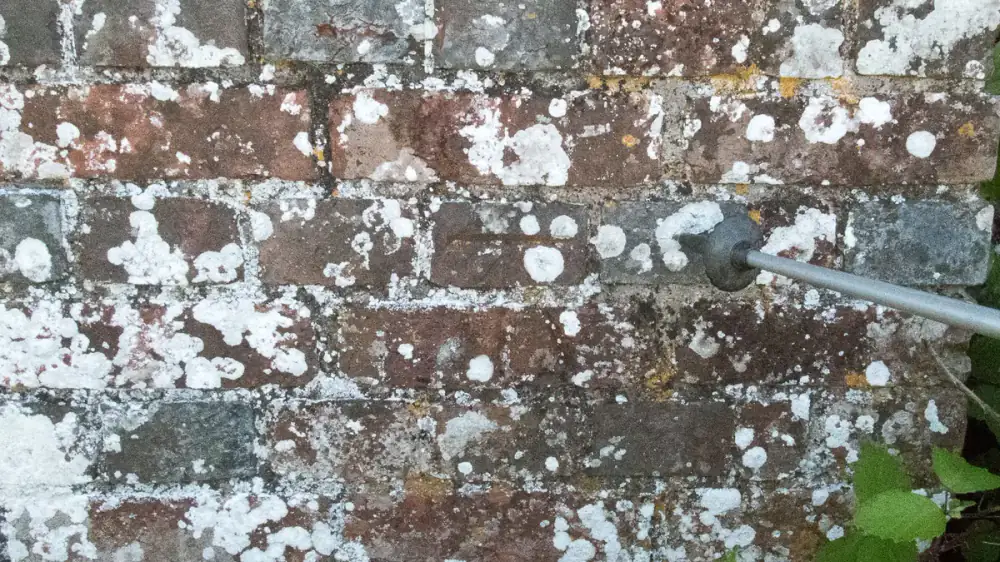
How to Remove Algae from Exterior Walls
That green film is a moisture problem, not just dirt. Here's why gentle cleaning beats blasting, how to protect plants and windows, and how to stop it coming back.
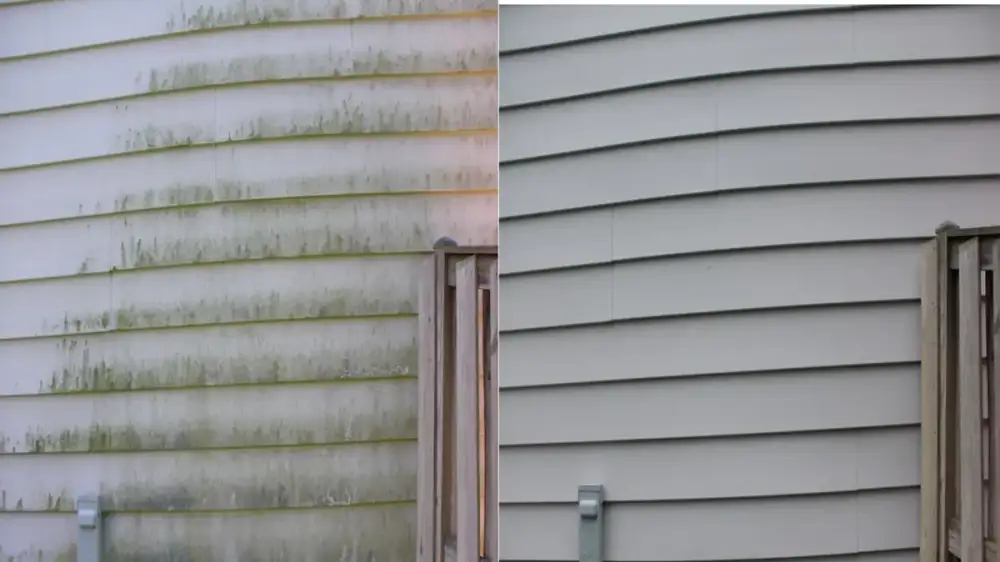
Can Pressure Washing Damage Siding?
The same force that strips dirt can crack panels, peel paint and push water into the wall. Here's how siding gets damaged — and the safer way to clean it.