How Soft Washing Works
Soft washing lets cleaning solutions do the work instead of force. That's why it can clean delicate roofs and siding that a pressure washer would damage.

Soft washing cleans with specialized cleaning solutions applied at low pressure: the chemistry breaks down grime and organic growth, and a gentle rinse carries it off. Because the solution does the work instead of force, it is the safer choice for delicate and porous surfaces — most siding, roofs, stucco, and painted wood — and for growth like algae and mildew. It also stays clean longer, because it treats the roots rather than just the layer you can see.
Soft washing gets filed under "the gentle alternative to pressure washing," and the word gentle sells it short. On the surfaces where it belongs, it cleans every bit as thoroughly as force — sometimes more so. What changes is the source of the cleaning power. A pressure washer leans on force; soft washing leans on chemistry, letting a solution do the work that force cannot do safely. That single substitution is what makes it possible to clean a roof, a run of siding, or a stucco wall without inviting the damage high pressure would risk.
Two halves of one method
Soft washing is really two things working in sequence: a cleaning solution and a low-pressure application.
The solution goes on first and is given time to break down what is there — plain dirt, yes, but above all organic growth like algae, mildew, and the dark staining they leave behind. Because that growth is alive, the chemistry does something force never can: it treats the organism itself, not just the visible film sitting on top. Once the solution has had time to act, the surface is rinsed at low pressure and the loosened grime and treated growth wash away.
The pressure in the name is closer to a strong garden hose than to a pressure washer's jet. It exists only to apply and to rinse, never to blast. That low pressure is exactly why the method is safe on materials that force would crack, gouge, or drive water behind — the mechanism does the cleaning, so the water never has to.
The surfaces and stains it fits
Soft washing is the right call in two broad situations: delicate or porous surfaces, and organic growth. Often the two overlap on the same wall.
| Surface or problem | Why soft washing suits it |
|---|---|
| Vinyl and fibre cement siding | Low pressure won't crack panels or force water behind them |
| Stucco | Porous and easily damaged by force, but fine with gentle cleaning |
| Painted or aged wood | Chemistry cleans without stripping paint or gouging soft wood |
| Asphalt shingle roofs | Avoids dislodging the granules that force would strip |
| Green algae | A living growth that chemistry treats and force only spreads |
| Black streaks and mildew | Organic staining that returns unless the growth itself is treated |
The thread tying them together is that these are surfaces and stains where force is either dangerous or simply ineffective. On a shingle roof it strips protective granules; on siding it risks water intrusion; on algae it removes the surface layer and leaves the roots. Soft washing sidesteps all three by changing the mechanism rather than the intensity. For a fuller side-by-side of when each method fits, pressure washing versus soft washing walks through the trade-offs surface by surface, and how pressure washing works covers the force-based approach in its own right.
The reason the results last
One of the most practical advantages of soft washing is durability. Green algae, black streaks, and mildew are living growth, and if you only strip away what you can see, the roots and spores left behind quietly regrow — which is exactly why green growth keeps coming back on siding after a quick blast with a pressure washer. A cleaning solution treats the growth rather than merely displacing it, so the surface stays clean longer before anything returns.
None of that makes it permanent. Growth feeds on moisture and shade, so a wall that stays damp or sits in constant shadow will eventually see it come back regardless of method. Soft washing buys more time, not immunity — a distinction worth keeping in mind before blaming the last cleaning for growth that the site was always going to encourage.
Working safely with the solutions
Because soft washing depends on cleaning solutions, handling them responsibly is part of the job rather than an afterthought — and the guidance here stays deliberately general and safety-first.
- Follow the product's own directions. The label is the authority on mixing, dwell time, protective gear, and rinsing. No universal recipe overrides it.
- Wear appropriate protection. Solutions can irritate skin and eyes, so gloves and eye protection are sensible.
- Never mix products. Combining cleaning chemicals can trigger dangerous reactions. Use one product as intended, not a homemade blend.
- Mind overspray and drift. Wind carries solution onto windows, cars, a neighbor's property, and plants. Work on calm days and stay aware of where the mist travels.
- Rinse thoroughly. Solution left to dry on a surface can leave residue or streaks.
Looking after the landscaping
Plants are the most common casualty of a careless soft wash, because the same chemistry that breaks down organic growth can stress or kill the greenery it lands on. The approach is straightforward: wet plants down with clean water before you start, so foliage absorbs water rather than solution; cover delicate plants where practical; rinse everything again afterward to dilute whatever reached it; and never let solution pool around roots or run off into beds and water features. The same care extends to drains, ponds, and anything downhill of the work — thinking about where the rinse water ends up is as much a part of the method as the cleaning itself.
Reading the signs, and knowing your limits
A soft wash that is going well looks uneventful. Stop and reassess if you notice streaking or residue after rinsing (usually a sign the surface was not rinsed thoroughly), discoloration where solution sat too long or ran too strong, wilting or browning plants near the work, solution drying on the surface before you could rinse it, or growth returning within weeks — which points to a persistent moisture or shade problem that cleaning alone will not fix. It is also worth naming the habits that quietly undo the method: cranking up the pressure and reintroducing every risk soft washing avoids, skipping the dwell time so the solution never finishes its job, letting it dry mid-wash, ignoring the plants, and mixing your own cocktail of products.
Some jobs are better handed off from the start. A roof or upper story turns this into height-and-slope work that is genuinely hazardous — the granule-friendly method does nothing to lower the risk of the ladder. Solutions that must be mixed, applied, and contained at a scale beyond your setup, valuable landscaping close enough to be costly if something goes wrong, and any real uncertainty about how a surface or its surroundings will react are all good reasons to bring in someone whose judgment comes with the equipment. When the choice is between a careful low-and-slow job you can reach comfortably and a reach that puts you on a ladder with chemicals, the ground is almost always the right answer.
Your questions, answered
What is soft washing?
Soft washing is a cleaning method that applies specialized cleaning solutions at low pressure — closer to a strong garden-hose stream than a pressure washer's jet. The solution breaks down organic growth and grime, which is then rinsed away. The cleaning comes from the chemistry, not from force.
What is soft washing best for?
It's best for delicate and porous surfaces and for organic growth. That includes most siding, stucco, painted or aged wood, and roofs, as well as green algae, black streaks and mildew wherever they appear. These are exactly the surfaces and stains that high pressure tends to damage or fail to fully treat.
Why does soft washing keep growth away longer?
Because it treats the growth rather than just knocking off the visible layer. Force can make a wall look clean while leaving roots and spores behind, so the staining returns. A cleaning solution addresses what's actually growing, which is why the result usually lasts longer.
How do I protect plants during soft washing?
Cleaning solutions can affect nearby plants, so protection matters. General practice is to wet plants down before and after, cover them where practical, and avoid letting solution pool around roots. Always follow the guidance on any product you use, and rinse thoroughly.
Is soft washing safe for roofs?
For asphalt shingles and most roofing, low-pressure soft washing is generally the recommended approach because it avoids dislodging the protective granules that force would strip away. That said, any roof work involves height and slope risks, so it's often best left to professionals.
Should I soft wash myself or hire someone?
Simple, low, reachable surfaces can be manageable for careful homeowners. Hire out the work when it involves a roof or upper story, when cleaning solutions need to be handled and contained responsibly, or when you're unsure how a surface or nearby plants will react.

Pressure Washing vs Soft Washing
One relies on force, the other on cleaning solution at low pressure. Matching the method to the surface is what protects siding, roofs and trim.
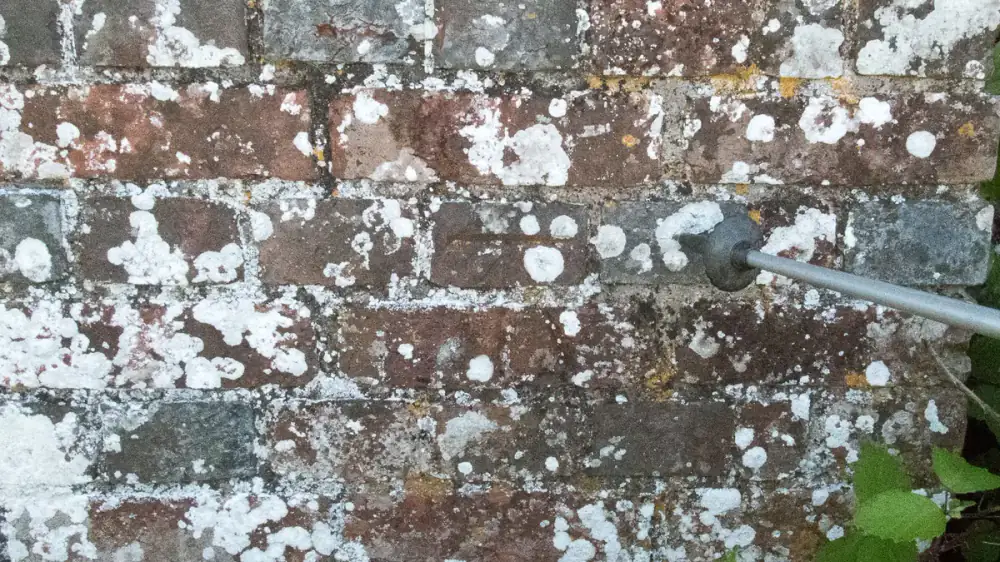
How to Remove Algae from Exterior Walls
That green film is a moisture problem, not just dirt. Here's why gentle cleaning beats blasting, how to protect plants and windows, and how to stop it coming back.
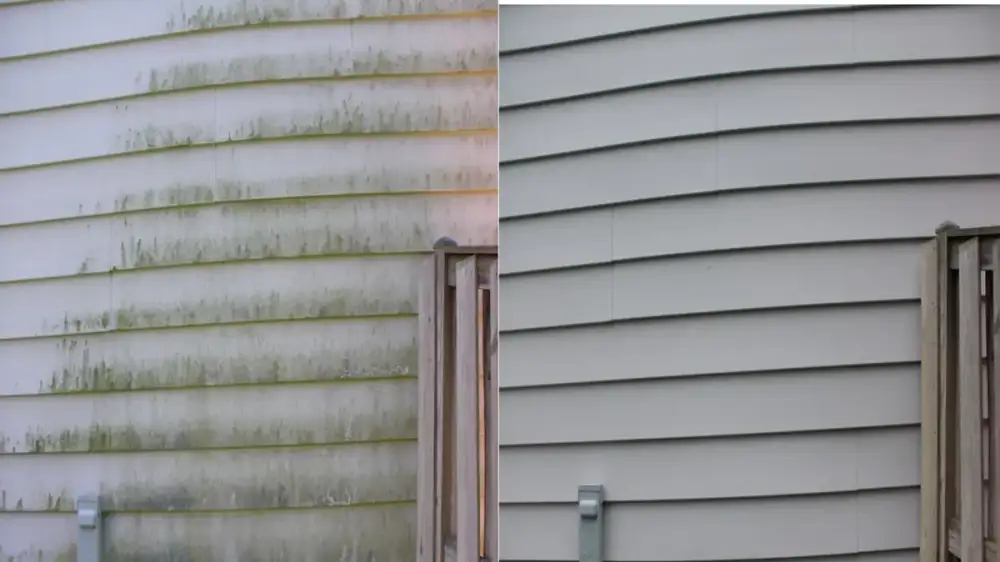
Can Pressure Washing Damage Siding?
The same force that strips dirt can crack panels, peel paint and push water into the wall. Here's how siding gets damaged — and the safer way to clean it.