How to Clean a Fence
Wood, vinyl and metal fences each ask for a different approach. Use the wrong method and you can splinter the wood, dull the vinyl, or leave rust untreated.
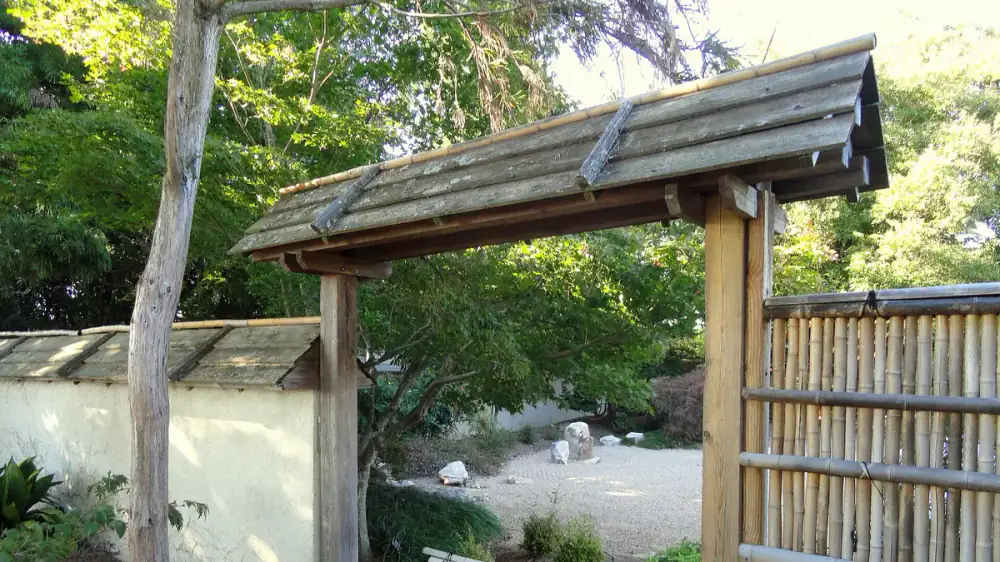
Clean a fence by matching the method to the material: wood needs a gentle, low-pressure approach and cleaning along the grain, vinyl cleans easily with soap and a soft brush, and metal needs dirt removed first, then rust treated separately. Treat algae and mildew as a chemistry problem — a cleaner and dwell time, not force — and rinse thoroughly whatever the material.
A fence weathers from every side at once and almost never gets the attention the house does. Dirt films over it, algae greens its shaded face, mildew streaks the damp corners — and because it fades so gradually, most people only notice when it already looks tired. Reviving it is not difficult work. The catch is that "how" depends entirely on "what," because the method that makes a vinyl panel gleam will fur and splinter a wood board, and the cleaner that is fine on metal can strip a stain off timber.
First, name what you are cleaning
Everything downstream follows from this one identification, so make it before you spray anything:
- Wood is soft and porous. It splinters and furs under force, holds dirt in its grain, and usually wears a stain or seal you do not want to strip.
- Vinyl is durable and non-porous, but its surface can be dulled and its panel joints can trap water.
- Metal is strong but turns vulnerable to rust the moment its protective coating is compromised.
Each reacts differently to water, pressure and cleaners. Get the identification right and the correct method almost chooses itself.
Wood: gentle, and always with the grain
Wood is the least forgiving of the three. Its porous surface soaks up dirt and grows algae readily, and high pressure is actively damaging — it raises the grain, gouges soft spots, and drives water deep into the boards where it does no favors.
- Rinse with a hose to clear loose dirt.
- Apply a wood-safe cleaner, follow the label, and let it dwell without drying out.
- Scrub along the grain with a soft-bristle brush — never across it.
- Rinse thoroughly, working top to bottom.
- Let it dry completely before any sealing or staining.
If you insist on a pressure washer, keep the pressure low, fit a wide tip, hold it well back, and keep it moving. The cautious logic is identical to the one that governs decking, and the fuller method for a wood deck carries over neatly to wood fencing.
Vinyl: the easy one
Vinyl is the material that rewards you for not overthinking it. A garden hose, a bucket of mild soap solution and a soft brush handle most of what it needs.
- Rinse off the loose dirt.
- Wash with a mild soap solution and a soft brush or sponge, working section by section.
- Rinse before the solution dries, especially in direct sun.
High pressure is simply unnecessary here, and it carries its own downsides — it can dull the surface and push water into the panel joints. The same instincts that keep vinyl siding looking right apply directly: mild solution, soft touch, thorough rinse.
Metal: clean first, then treat the rust
Metal fences — wrought iron, aluminum, chain link, steel — are a two-stage job. Clean off the dirt and growth, then treat rust as a separate task with its own tools.
- Wash off dirt and growth with a mild cleaner and a brush suited to the finish.
- Rinse and dry.
- Address rust on its own. Brush off light surface rust, treat it with a rust-specific product, then prime and repaint to reseal the metal.
Keep one honest limit in view: heavy, structural rust that has eaten through the metal is a repair-or-replace question, not a cleaning one. No amount of scrubbing brings back steel that has corroded away.
| Material | Method | Pressure | Watch out for |
|---|---|---|---|
| Wood | Cleaner, scrub along grain, rinse | Low or none | Splintering, raised grain, stripped stain |
| Vinyl | Soap solution, soft brush, rinse | None needed | Dulling the surface, water in joints |
| Metal | Clean, then treat rust separately | Low | Rust returning if left unsealed |
The green film, and why it keeps coming back
Whatever the fence is made of, the green that shows up on its shaded, damp side is the problem people most often get wrong. It is living growth, not surface dirt — and that single fact changes the whole approach. Force knocks the visible layer off but leaves the spores behind, so it returns within a season, sometimes within weeks. The reliable route is chemistry: apply a suitable cleaner, let it dwell so it can break the growth down, then scrub gently and rinse.
Because it is the very same organism that colonizes walls, the method for removing algae from exterior walls transfers straight to fencing. And the most effective long-term move is not chemical at all: improving airflow and letting more sunlight reach the fence — trimming back the plants that press moisture against it — does more to slow regrowth than any single cleaning ever will. If you do use a product containing diluted bleach, remember it can lighten wood and harm plants, so shield nearby greenery and rinse well.
Knowing where cleaning ends
Some things a wash cannot fix, and it is worth recognizing them so you do not waste effort. Wood gone soft and spongy — the kind a screwdriver sinks into — is rot, not dirt. Rust that has eaten through the metal, posts that lean or wobble, a finish peeling off in sheets: these are repair and renewal questions that live beyond the reach of a brush. Most fence cleaning is squarely a ground-level, weekend-sized job, but consider handing it off when the run is long enough to swallow a whole weekend, when you find structural rot or leaning posts, when the job calls for strong cleaning solutions you would rather have applied and contained by someone experienced, or when a stubborn, recurring growth problem hints at a bigger moisture issue. The general exterior cleaning overview can help you judge where that line falls.
Common questions
What's the best way to clean a wood fence?
Work gently. Rinse with a hose, apply a cleaner suited to wood, let it dwell, then scrub along the grain with a soft brush and rinse. If you use any pressure, keep it low and the tip well back, because wood splinters and furs up easily under force. Let it dry fully before sealing or staining.
Can I pressure wash a vinyl fence?
Vinyl is durable, but it's better cleaned with a soap solution and a soft brush than blasted with high pressure, which can dull the surface or force water into panel joints. A garden hose and a mild cleaner handle most vinyl fences without any pressure washer at all.
How do I remove algae and green growth from a fence?
Algae is living growth, not just dirt, so it needs a cleaning solution rather than force. Apply a suitable cleaner, let it dwell so the chemistry can work, then scrub gently and rinse. Blasting it off leaves spores behind, so it returns quickly. Improving airflow and sunlight around the fence slows regrowth.
Should I use bleach to clean my fence?
Some cleaning products contain diluted bleach, and it can be effective on organic staining, but it can also lighten wood, harm plants, and damage metal over time. Follow product labels rather than mixing your own strong solutions, protect nearby plants, and rinse thoroughly. When unsure, choose a cleaner formulated for your fence material.
How do I clean a rusty metal fence?
Clean off dirt and growth first with a mild cleaner, then address rust separately. Light surface rust can often be removed with a brush and a rust-specific product, followed by priming and repainting to protect the metal. Heavy, structural rust is a repair or replacement question, not a cleaning one.
How often should I clean my fence?
Most fences benefit from a cleaning once a year, ideally before resealing a wood fence or ahead of the growing season. Fences in damp, shaded spots that grow algae may need attention more often. Let the condition of the fence, not a strict calendar, set the schedule.
Do I need to seal a wood fence after cleaning it?
Cleaning and sealing are separate steps, but they pair well. Cleaning removes dirt and growth; sealing or staining protects the wood afterward. If your fence is due for a fresh coat, clean it first, let it dry completely, then apply the finish so it bonds to clean, dry wood.
Keep reading

Pressure Washing vs Soft Washing
One relies on force, the other on cleaning solution at low pressure. Matching the method to the surface is what protects siding, roofs and trim.
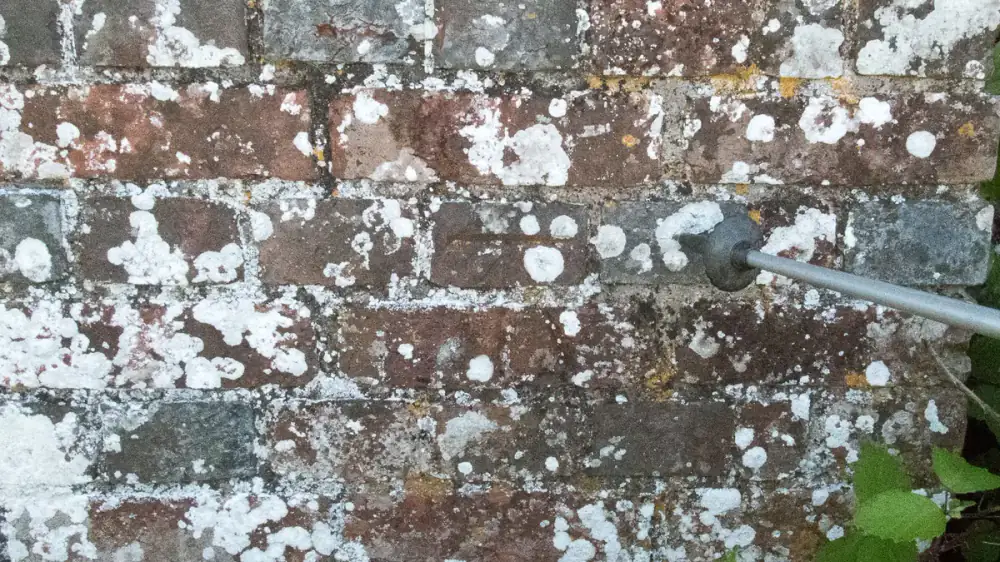
How to Remove Algae from Exterior Walls
That green film is a moisture problem, not just dirt. Here's why gentle cleaning beats blasting, how to protect plants and windows, and how to stop it coming back.
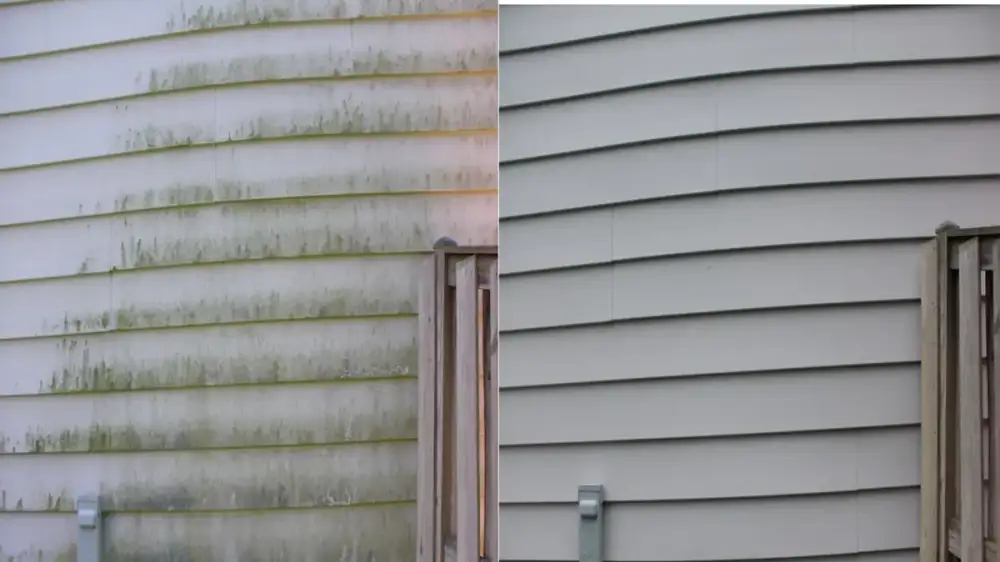
Can Pressure Washing Damage Siding?
The same force that strips dirt can crack panels, peel paint and push water into the wall. Here's how siding gets damaged — and the safer way to clean it.