How to Clean Outdoor Light Fixtures
Outdoor fixtures mix electricity, glass and weathered metal — which is why the first step isn't cleaning, it's cutting the power. Do that, and the rest is gentle work.
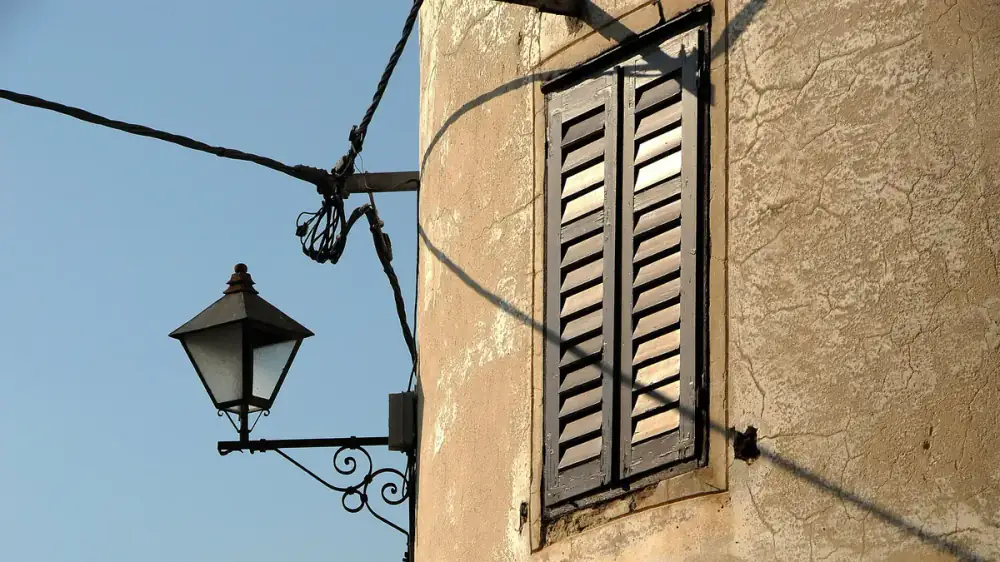
Before anything else, cut the power at the switch and breaker and let the bulb cool — cleaning means moisture, and moisture plus electricity is the hazard. Then work gently: wipe the housing with a damp cloth, wash the glass separately with a mild cleaner, and clear out bugs and debris. Light oxidation lifts with a soft cloth. Anything touching the wiring or connection is a job for an electrician.
Most exterior surfaces forgive a sloppy approach. A light fixture doesn't, and the reason is what's inside it. A wall lantern or porch light packs together three things you'd normally take pains to keep apart — a live electrical circuit, water in the form of your cleaning cloth, and metal that has been weathering outdoors for years. The cleaning itself is genuinely easy. What makes it safe is doing the parts in the right order, and never letting the first part slip.
Everything hinges on killing the power
This is the one step where "close enough" isn't good enough. Before a damp cloth comes anywhere near a fixture, turn off the switch that controls it and, wherever you can get to it, flip the breaker for that circuit too. A switch stops the light; the breaker makes the circuit genuinely dead, and that's the state you want to work in around water.
Then give the bulb time to cool. A hot bulb burns skin, and cold moisture landing on hot glass can crack it — two easy injuries that a few minutes of patience erases. Finally, confirm the fixture is actually off rather than trusting your memory of which switch does what; the light shouldn't come back on when you flip the switch it's tied to. Because cleaning always involves a damp cloth at minimum, and usually washing the glass, the power stays off for the entire job, not just the moments that feel risky.
The cleaning itself is light-handed throughout
With the fixture cold and dead, the work is quick and gentle from start to finish. Most fixtures let you lift out or unscrew the glass panels or shade — set those pieces somewhere they won't get knocked off a step. With the glass out of the way, tip or brush out the dead insects, cobwebs and grit that outdoor fixtures collect before you add any moisture; wetting that debris first just makes a paste of it.
Wash the glass on its own, away from the fixture, with a mild cleaning solution and a soft cloth, then rinse and dry each piece fully. Back at the fixture, wipe the housing with a cloth that's damp, not soaked — you're cleaning a surface, not flushing an interior, so keep moisture away from the socket and any openings. Then dry everything, reassemble, and only restore power once every part is bone dry.
Notice what never appears in that sequence: no hosing, no spraying, and above all no pressure washer. Driving water into a housing or toward the wiring is the exact failure this whole method exists to prevent. The general principle that gentler tools suit delicate surfaces — the heart of pressure washing versus soft washing — carries extra weight when there's a circuit behind the surface.
Weathered metal: how far has it gone?
The metal on an outdoor fixture ages, and what you do about it depends entirely on how far the aging has progressed. A quick read of the surface tells you whether you're cleaning or facing something else.
| Condition | What you're seeing | Gentle approach |
|---|---|---|
| Surface film and grime | Dull, dirty look | Damp cloth and mild cleaner |
| Light oxidation | Chalky haze or dull patches | Soft cloth with gentle rubbing; test a hidden spot |
| Tarnish on brass or copper | Darkening of the metal | Product suited to that metal, applied cautiously |
| Heavy corrosion or pitting | Flaking, rust, rough surface | Treat as a repair or replacement question, not cleaning |
| Rust weeping onto surfaces | Streaks below the fixture | Address the source; see rust-stain removal |
Light oxidation lifts off most metals with a soft cloth and a mild cleaner and nothing more forceful. The catch is that outdoor fixtures are made from all sorts of metals and coatings, and the wrong product can strip a finish or react badly — so test a hidden area first and keep the touch light. Once oxidation has crossed into corrosion around the wiring or contacts, though, you've left cleaning behind entirely; that's an electrical question. Rust weeping from a fixture is worth chasing down too, because the stain it leaves on the wall below is its own separate problem — our approach to removing rust stains from siding handles the wall, while the fixture's corrosion may need a pro.
When the job stops being cleaning
Being up close with the power off makes this the ideal moment to notice things a quick glance from the ground would miss — and some of them mean the fixture needs an electrician, not a cloth. Moisture or condensation sitting inside the housing means the seal has failed and water is reaching places it shouldn't. Green or rusty buildup on the socket, contacts or wiring is corrosion working on the electrical parts, not grime to scrub. A light that flickers or cuts out hints at a connection problem behind the fixture. Cracked or clouded glass lets water in, and a fixture that's loose or pulling away from the wall puts strain on the wiring itself.
None of those are cleaning problems, and no amount of wiping fixes them. They're the signal to bring in a licensed electrician — as is any fixture mounted high enough that reaching it safely becomes its own hazard stacked on top of the electrical one. The dividing line stays simple: keeping the glass and housing clean is routine exterior cleaning you can do yourself once the power's off, while anything touching the electricity behind them belongs to a professional. If you do hire out, the cost tends to track the number of fixtures, their height, and whether the real issue was dirt or a genuine electrical fault, so treat any figure as a planning number rather than a quote.
Your questions, answered
Do you need to turn off the power to clean outdoor light fixtures?
Yes. Cut the power at the switch — and ideally at the breaker — before touching a fixture with any moisture or cloth. Water and electricity together are dangerous, and cleaning inevitably involves both. Letting the bulb cool first also prevents burns and cracked glass.
How do you clean oxidation off metal light fixtures?
Light oxidation on many metals lifts with a mild cleaner and gentle rubbing using a soft cloth. Avoid harsh abrasives, which scratch. Heavier corrosion, or an unknown finish, is worth treating cautiously — some metals and coatings react badly to the wrong product, so test a hidden spot first.
Can you use water to clean an outdoor light fixture?
A damp cloth is usually enough, and it keeps water controlled. Avoid spraying or hosing a fixture directly, and never use a pressure washer — forcing water into the housing or wiring is exactly what you're trying to avoid. Make sure the power is off and the fixture is dry before restoring it.
How do you get bugs and grime out of a light fixture?
With the power off and the fixture cool, open or remove the glass, empty out the debris, and wash the glass separately with a mild cleaner. Wipe the housing with a damp cloth. Let everything dry fully before reassembling and restoring power.
How often should outdoor light fixtures be cleaned?
A couple of times a year suits most homes, with a light wipe whenever they look grimy. Fixtures near heavy landscaping, salt air or lots of insects may need more frequent attention. Cleaning also gives you a chance to spot corrosion or moisture inside early.
When should you call an electrician for a light fixture?
Any time there's moisture inside the housing, corrosion on the wiring or contacts, a flickering or intermittent fixture, or damage to the fixture itself. Cleaning is safe; anything involving the wiring, the connection or the fixture's electrical integrity belongs to a licensed electrician.

Pressure Washing vs Soft Washing
One relies on force, the other on cleaning solution at low pressure. Matching the method to the surface is what protects siding, roofs and trim.
How to Remove Algae from Exterior Walls
That green film is a moisture problem, not just dirt. Here's why gentle cleaning beats blasting, how to protect plants and windows, and how to stop it coming back.
Can Pressure Washing Damage Siding?
The same force that strips dirt can crack panels, peel paint and push water into the wall. Here's how siding gets damaged — and the safer way to clean it.