How to Remove Rust Stains from Siding
A rust stain on siding is rarely the siding's fault. Something metal is bleeding onto it — a fastener, a fixture, or fertilizer overspray — and until that stops, the stain returns.
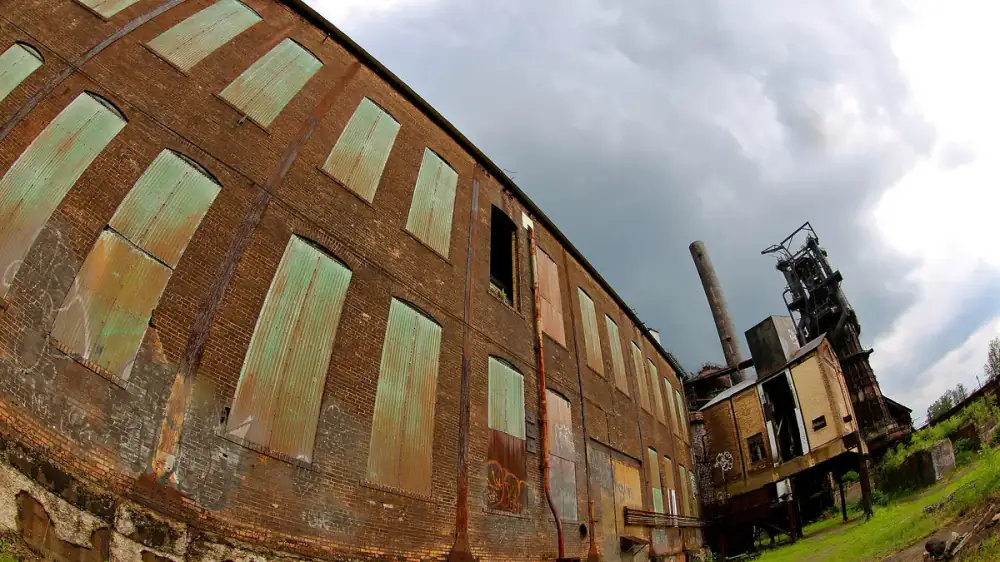
A rust streak on siding is a clue, not the crime: metal somewhere above it is corroding and bleeding down the wall — a rusting fastener, a fixture or bracket, or iron-rich fertilizer and well water flung by a sprinkler. Lift the stain gently with a cleaner made for rust rather than bleach, working bottom-up and spot-testing first. Then deal with the metal, because a clean wall over a live source stains again by next season.
Rust on siding invites you to fight the wrong battle. The orange streak is right there, obvious and offensive, and it draws all the attention — so the wall gets scrubbed, the streak fades, and everyone moves on. Then it comes back. It comes back because siding does not rust; siding has nothing in it to rust. The rust is arriving from somewhere else, running down the panel on rainwater and condensation, and cleaning the streak without finding that somewhere is like mopping under a dripping pipe.
Follow the streak upward
Gravity does the diagnostic work for you. Rust travels down, which means the top of a streak sits at or near its source. Before you touch a cleaner, stand back, find where each streak begins, and look at what is directly above it. A handful of culprits account for nearly all of it.
Corroding fasteners are the classic case — nails and screws that were never rust-resistant weep as they age, and the stain begins precisely at a fixing point and trails down from there. Metal fixtures and brackets are next: light fittings, house numbers, downspout straps, hose reels, railings, and shutters all carry steel parts that eventually rust. Lower on the wall, near the ground, a different signature appears — fertilizer overspray. Many lawn feeds are iron-rich, and a sprinkler or spreader that throws granules against the house leaves rust streaks as that iron oxidizes. Well water heavy in iron does the same, but in an even band wherever the spray consistently lands rather than in isolated runs.
Naming the source tells you two things at once: how to stop the recurrence, and how much to worry. A single weeping nail is purely cosmetic. Rust bleeding from a structural bracket or a railing anchor is worth a closer look, because it may mean the metal is losing strength, not just color.
Lifting the mark without dulling the wall
With the source identified, treat the stain itself using the lightest method that works. The aim is to remove the iron oxide without abrading the finish underneath it.
- Rinse the area first so you are lifting a stain rather than grinding loose grit across the panel.
- Begin mild. A gentle cleaning solution with a soft brush or cloth handles lighter marks. Work upward from the bottom and rinse as you climb, so runoff never dries into fresh streaks on siding you have not reached yet.
- Escalate only if needed. Rust-specific cleaners use an acidic chemistry general cleaners lack. They can be aggressive, so read the label, shield nearby plants and trim, and test a hidden section before committing to a visible one.
- Rinse thoroughly at the end. Residual cleaner can mark siding or scorch plantings, so finish with plenty of clean water.
Two temptations to refuse. Bleach is one — it belongs to the world of algae and mildew, and on rust it can actually react with the iron and lock the stain in rather than release it. Abrasive scrubbing and high pressure are the other; they dull or crack the surface and still leave the source untouched. The logic for choosing gentleness is the same one set out in pressure washing versus soft washing: force is the wrong instrument for a delicate wall.
What each material will tolerate
Siding is not one thing, and the cleaner or handling that suits vinyl may be too much for painted wood or too little for masonry.
| Siding material | Gentle approach | Watch out for |
|---|---|---|
| Vinyl | Mild cleaner, soft brush, bottom-up | Abrasives and harsh chemicals that dull the finish |
| Fiber cement | Soft cloth or brush with mild cleaner | Scrubbing that wears the coating |
| Painted wood | Wipe gently; test cleaner first | Strong products stripping the paint |
| Aluminum | Soft cloth and mild cleaner | Abrasion leaving marks in the soft metal |
| Brick or masonry | Mild cleaner; rust products cautiously | Acidic cleaners etching the mortar |
For vinyl especially, general upkeep is inseparable from stain work — the routine in cleaning vinyl siding covers handling the surface without dulling it, and the vinyl siding material guide explains what that surface can and cannot take.
Reading the stain as a structural hint
Most rust removal is squarely a homeowner job, but the close-up view is also a chance to notice when a stain is more than cosmetic. Rust originating from a structural bracket or railing anchor can mean the metal is weakening rather than merely discoloring. Staining that returns fast confirms the source is still live. Rust weeping from around a fixture's mounting can point to corrosion reaching a fastener buried in the wall. Pitting or flaking on the source metal shows it is corroding through, not just skinning over. And a broad, even stain low on the wall usually finger sprinkler or well-water iron rather than any single fitting.
Stopping the bleed for good
This is where the recurring problem finally becomes a one-time one. Prevention is not about the siding at all; it is about stopping metal from bleeding onto it. Replace corroding fasteners with rust-resistant nails and screws wherever you can reach them. Treat or swap out rusting fixtures and brackets — a corroding downspout strap will keep painting the wall until it is dealt with. Aim sprinklers away from the house so iron-rich water and fertilizer spray never reach the panels, keep granular fertilizer off the siding when spreading near the foundation, and rinse the wall promptly if any lands there before the iron has time to set. The through-line worth internalizing: rust returns only when its source is left in place. A fuller account of where these streaks come from and how they spread lives in the guide to rust stains on exterior surfaces.
Where the job stops being yours
Bring in help when the source is a structural bracket, railing anchor, or fastening you cannot safely assess or replace; when the staining is high enough that reaching it means working at height; when the mark covers a large area or shrugs off gentle methods and a stronger product would risk the finish; or when there is corrosion around a fixture's electrical or structural mounting, which is a repair question rather than a cleaning one. What that help costs turns on the size and height of the area, the siding material, and whether the source needs repair or replacement — so treat any number as a planning figure, not a quote. The lasting takeaway is that this is a source problem wearing a stain's clothing. Handle both, fold the wall into routine exterior cleaning, and the streaks stop coming back.
Questions people also ask
What causes rust stains on siding?
Something metal bleeding onto the surface. Common sources are corroding nails and screws, metal fixtures and brackets, railings, and iron-rich fertilizer or well water sprayed onto the wall by sprinklers. The rust washes down the siding in streaks, so the stain usually points back toward its source above.
How do you remove rust stains from vinyl siding?
Start with the gentlest approach: a mild cleaner and a soft brush or cloth, working from the bottom up to avoid streaking, then rinsing. Products made for rust removal exist, but they can be harsh, so test on a hidden area first and follow the label. Avoid abrasive scrubbing that dulls the surface.
Will bleach remove rust stains?
No — and it can make them worse. Chlorine bleach is for organic stains like algae and mildew, not rust, and it can react with the iron and set the stain further. Rust needs a different chemistry, which is why matching the cleaner to the stain matters.
How do you stop rust stains from coming back?
Fix the source. Replace corroding fasteners with rust-resistant ones, treat or replace rusting fixtures and brackets, and adjust sprinklers so iron-rich water and fertilizer don't hit the wall. Until the metal stops bleeding, cleaning the siding only buys time before the streak returns.
Can fertilizer really stain siding?
Yes. Many lawn fertilizers contain iron, and a sprinkler or spreader that throws granules or spray onto the siding leaves rust-colored streaks as the iron oxidizes. Well water high in iron does the same thing. Keeping fertilizer and sprinkler spray off the wall prevents it.
Should you pressure wash rust stains off siding?
High pressure is risky on most siding and doesn't address the source, so the stain returns anyway. A gentle cleaner suited to rust, applied by hand and rinsed, treats the stain without the risk of cracking panels or driving water behind them. Fixing the source is what actually prevents recurrence.

Pressure Washing vs Soft Washing
One relies on force, the other on cleaning solution at low pressure. Matching the method to the surface is what protects siding, roofs and trim.
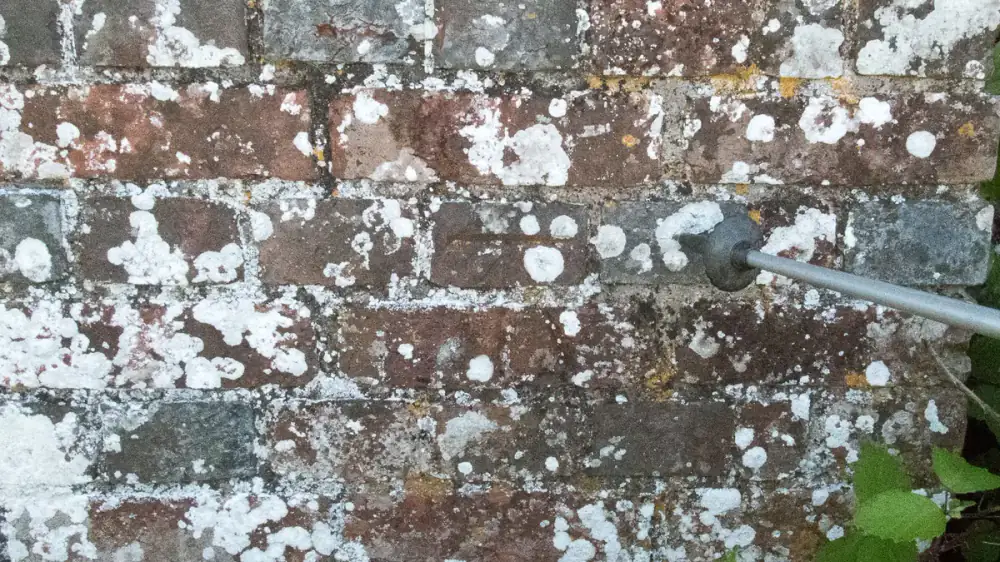
How to Remove Algae from Exterior Walls
That green film is a moisture problem, not just dirt. Here's why gentle cleaning beats blasting, how to protect plants and windows, and how to stop it coming back.
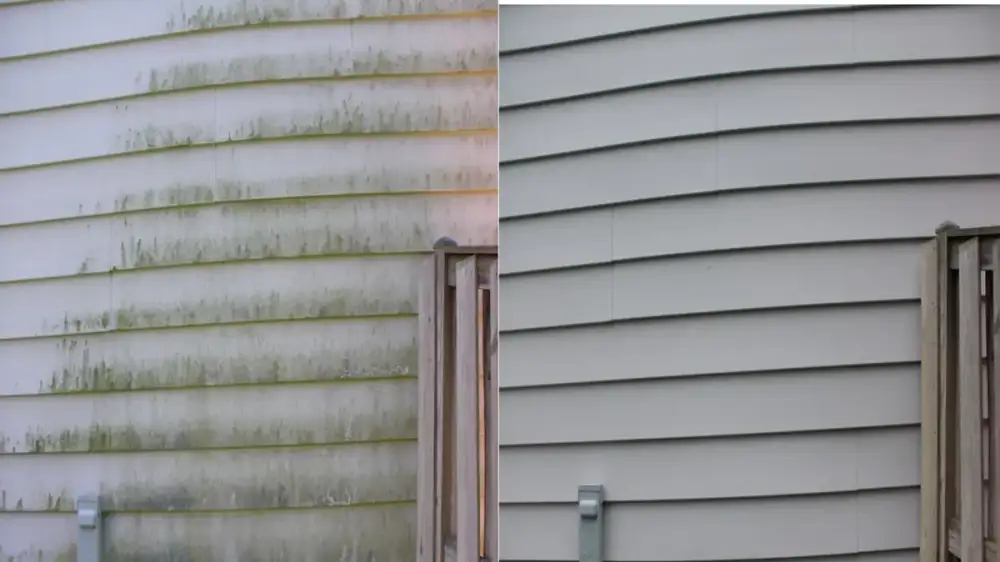
Can Pressure Washing Damage Siding?
The same force that strips dirt can crack panels, peel paint and push water into the wall. Here's how siding gets damaged — and the safer way to clean it.