How to Prioritize When Everything Needs Attention
A calm triage framework for the overwhelmed homeowner: protect against water first, handle safety, then let cosmetics wait their turn — without drowning in the list.

When everything needs attention, rank by what each problem threatens, not how it looks. Work in three tiers: first, anything that lets water into the structure; second, genuine safety hazards; third, everything cosmetic. Within each tier, do the cheapest damage-stopping steps before the full repairs. This gives you one clear next thing to do at any moment, which is the real cure for feeling overwhelmed.
Standing in the driveway looking at a house that needs everything at once is a particular kind of paralysis. The gutters sag, there is a stain creeping down the siding, the paint is peeling on the north side, a railing wobbles, and something about the back corner just looks wrong. Every item feels urgent, so none of them get done, and the list quietly grows. The way out is not more energy or more money. It is an order of operations — a simple way to know, at any moment, what the next right thing is.
Rank by threat, not by appearance
The instinct is to start with whatever bothers you most to look at. This instinct is almost always wrong, because the problems that bother us visually are rarely the ones doing the most damage. Peeling paint is annoying and visible; a small gutter leak is invisible and far more dangerous. Triage means overriding that instinct and asking a colder question of every item on the list: if I do nothing about this for a year, what does it damage?
That one question sorts most of the list on its own. A cosmetic blemish, ignored for a year, is a slightly worse cosmetic blemish. A water intrusion, ignored for a year, has been feeding the wood behind the wall the whole time. This is why understanding how water damages a home exterior is the foundation of good prioritizing — once you grasp how quietly and expensively water spreads, the ranking stops feeling arbitrary. The threat, not the appearance, sets the order.
The three tiers
Here is the framework in one place. Work down it, and within each tier, address the highest-threat item first.
| Tier | What belongs here | Why it ranks here |
|---|---|---|
| 1 — Water | Gutters, downspouts, drainage, roof edge, anything letting water into the structure | Failures here are quiet, compounding, and the most expensive to repair |
| 2 — Safety | Loose railings, unstable steps, anything at risk of falling or causing injury | Direct risk to people; usually fixable once identified |
| 3 — Cosmetic | Faded finishes, minor blemishes, pure appearance with nothing at risk behind it | Real but not urgent; waiting costs little |
The order of the first two tiers occasionally flips — a genuinely dangerous railing over a hard surface should not wait behind a minor gutter tweak. Use judgment. But for most houses, water problems vastly outnumber safety hazards, and water is the category that punishes waiting the hardest, so it earns the top of the list by default. If money is the binding constraint rather than time, prioritizing exterior maintenance on a budget reaches the same conclusion from the cost side: spend first where water meets structure.
Within a tier: stop the damage before you fix it
There is a second, quieter layer to triage that saves a lot of anxiety. Even inside your top tier, you rarely have to choose between doing nothing and doing the full, expensive repair. There is usually a cheap middle step that stops the damage from getting worse while the real fix waits its turn.
If a downspout is dumping water against the foundation, extending it away from the house is a small, ground-level move that buys months. If a gutter is overflowing because it is clogged, clearing the clog holds the line until you can address why it clogs. These interim steps do not fix the underlying problem, and you should not pretend they do — but they convert a spreading emergency into a stable, scheduled repair. That conversion is enormously valuable when you cannot do everything at once. Protecting against further damage is a legitimate priority in its own right, not a consolation prize.
The cosmetic trap, and its one exception
The hardest discipline in triage is leaving the satisfying jobs undone. Repainting the front door, pressure-washing the walk, tidying the visible face of the house — these produce a fast, gratifying result, and that is precisely why they lure resources away from the boring, invisible work that matters more. If you find yourself reaching for the cosmetic wins first, treat it as a signal to stop and recheck the list.
There is one honest exception. Some things that look cosmetic are actually protection failing. Paint peeling off bare wood is not a vanity problem — it is the wood losing its shield against water, which quietly promotes it up into the water tier. Learning to read exterior warning signs is largely about telling these apart: distinguishing the blemish that is only a blemish from the one that is an early symptom of something structural. When in doubt, ask the year-out question again. If the answer involves water reaching wood, it is not cosmetic.
Deciding what you do and what you hand off
Triage settles the order of the work; it does not settle who does it. These are separate decisions, and conflating them is a common way to stall out — people put off the whole list because a few items feel intimidating. Split it instead. The looking, the ranking, and the cheap damage-stopping steps are almost all safe and ground-level. The repairs behind them may not be.
Anything on the roof, at height, or involving real structural work belongs with a professional, and drawing that line clearly for your own comfort and situation is worth doing up front — DIY versus professional exterior work is a good reference for where it falls. The advantage of triaging first is that when you do bring someone in, you hire for the right problem at the right time, with the damage already contained rather than spreading while you shop.
From a pile to a rhythm
The last step is what keeps you from ending up back in the driveway six months from now, staring at another overwhelming list. A triage is a one-time rescue; a routine is what prevents the next emergency. Once you have worked the current list down, fold the survivors and the recurring tasks into creating an exterior maintenance plan, and keep new problems from accumulating with the light, regular monthly exterior home checks.
That shift — from a pile you are digging out of to a rhythm you are maintaining — is the real destination. It helps to understand which items tend to slide to the bottom of everyone's list and why, and the exterior maintenance tasks homeowners commonly ignore is a useful mirror for that. Handle the water, then the hazards, then the looks; stop the bleeding before you do the surgery; and turn what is left into a routine. Do that, and "everything needs attention" stops being a crisis and becomes, simply, a list — one you always know the top of. The full guides hub is there for whatever question the next walk-around turns up.
Common questions
Everything feels equally urgent. How do I even start ranking?
Stop ranking by how a problem looks and start ranking by what it threatens. Ask one question of each item: if I ignore this for a year, what does it damage? Anything that lets water into the structure jumps to the top; anything that is purely cosmetic falls to the bottom. That single question does most of the sorting for you.
Why does water beat everything else, even safety?
They are close, and genuine safety hazards do come first. But most homeowners face far more water risks than safety hazards, and water damage is the quiet, compounding kind that spreads to whatever sits behind it. A loose railing is dangerous until you fix it; a leaking gutter is dangerous the whole time you don't know it is leaking.
What if I genuinely can't afford the top-priority items right now?
Then buy time cheaply. Many water problems can be slowed with free or low-cost interim steps — redirecting a downspout, clearing a blockage, improving how water drains away — that hold the line until you can do the real repair. Protecting against further damage is itself a valid priority, even when the full fix has to wait.
Should cosmetic work ever come first?
Occasionally, when the cosmetic problem is actually an early warning in disguise — peeling paint over wood, for instance, is often protection failing, not vanity. But pure appearance, with nothing at risk behind it, always waits. The satisfying jobs are rarely the important ones, and that mismatch is exactly what triage is built to correct.
How do I keep from feeling overwhelmed all over again next month?
Convert the triage into a plan and a routine. A one-time sort tells you what to do now; a light recurring check keeps new items from piling up into another overwhelming list. The goal is to move from firefighting to a steady rhythm where you are only ever handling a few things at a time.
Do I have to do all this myself?
No. Triage is about deciding the order of the work, not who performs it. The looking and the ranking are yours; plenty of the actual repairs — especially anything at height or structural — belong with a professional. Sorting first just means that when you do hire, you hire for the right thing at the right time.
Related guides

Prioritizing Exterior Maintenance on a Budget
When funds are limited, spend where they prevent the most damage. Here is how to rank exterior tasks so a small budget does the most good.
Reading Exterior Warning Signs
Most exterior problems announce themselves early. Here is how to read the signs across the whole house and where each one points.
Exterior Maintenance for Coastal Homes
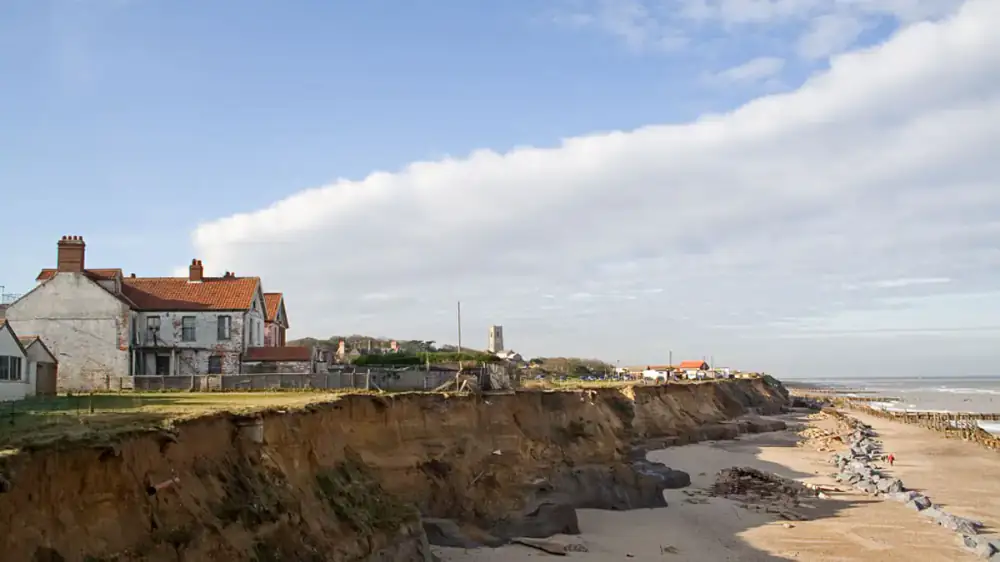
Salt air, corrosion and wind-driven rain make coastal homes their own category. Here is how to rinse, choose materials and check more often.