The True Cost of Deferred Maintenance
Waiting feels like saving. It almost never is. A clear-eyed look at how a postponed repair quietly compounds — in damage, in scope, and in the choices it takes away from you.
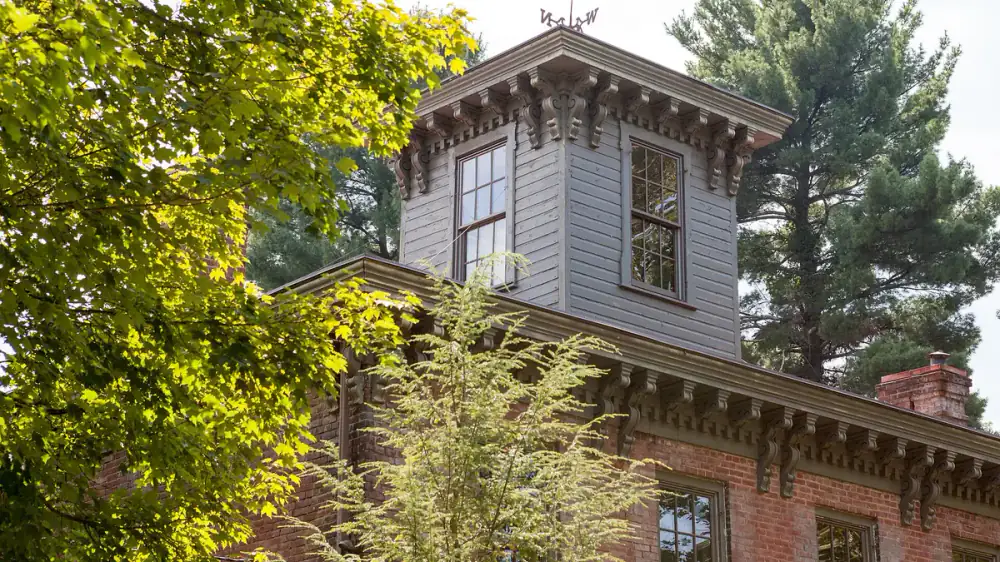
Deferring maintenance feels like saving money, but it usually costs more. A postponed problem compounds — the damage spreads to whatever sits behind it, the repair grows in scope, and it eventually forces itself on you at the worst possible time, stripping away your ability to shop calmly or schedule the work. The costs run in factors, not figures: waiting turns a small, chosen expense into a large, unchosen one. Deferring wisely means containing the damage cheaply, not simply doing nothing.
There is a decision every homeowner makes, usually without noticing they are making it. A small problem appears — a slow gutter, a soft spot, a stain — and the mind quietly files it under "later." Later feels responsible. It feels like restraint, like not throwing money at something that has not become urgent. And for a while, nothing happens, which seems to confirm the wisdom of waiting. This essay is about why that intuition is, more often than not, exactly backward — and how the "savings" from waiting tend to turn into the largest bills a house ever hands you.
The illusion at the center of it
Deferral feels frugal because of a simple accounting trick your brain plays. When you postpone a repair, the running cost looks like zero. Nothing left your account. Compared to spending now, waiting appears to be the cheaper path by definition. But that zero is not real. It is a bill that has been moved into the future and left, unsupervised, to grow.
The reason it grows rather than staying still is the crux of the whole thing, and it is worth grounding in how water damages a home exterior. Exterior damage — especially the water-driven kind that accounts for most of what goes wrong — does not politely wait for you to be ready. It is active. A small gutter overflow keeps feeding the fascia, then the wood behind it, then the wall, every single day you defer. The problem you filed under "later" is using the time you gave it to get bigger. Waiting is not a pause. It is an investment, in the wrong direction.
Compounding, the way it actually works on a house
The word "compounding" is borrowed from finance, and the analogy is exact. Money left to compound grows because each period's gains become the base for the next. Deferred damage compounds the same way: each stage of spread becomes the starting point for the next stage. This is why the cost of waiting is not linear. A repair does not get a little more expensive each month you postpone it. It gets more expensive at an accelerating rate, because the damage is expanding the very base it works from.
Consider how the scope of a single problem migrates over time:
| Stage | What the problem is | What the repair addresses |
|---|---|---|
| Caught early | A clog, a small overflow, a failing seal | The one component, from the ground, quickly |
| Deferred a while | Water reaching the material behind it | That component plus the wood or surface it fed |
| Deferred longer | Damage spread into the structure | The original part, the collateral damage, and the structure behind both |
| Failure | The system gives way, often at a bad time | Emergency repair, on the problem's schedule, at its scope |
Notice that the leftmost column is always the same tiny thing. The rightmost column is what you actually pay for, and it grows at every row. You never get to pay for the first column once you have deferred past it. That is the mechanism, stated plainly.
The costs you cannot see on the invoice
If the story ended with "the repair gets bigger," deferral would still be a bad bet. But the larger repair bill is only the visible half of the cost. The invisible half is often worse, and it is the part almost nobody prices in: deferral steals your choices.
When you address a problem early, you are in control. You choose when to do the work, ideally in good weather. You choose who does it, comparing options at your leisure. You negotiate from calm, because nothing is failing. Every one of those advantages evaporates the moment a deferred problem becomes an emergency. Now the timing is the house's, not yours — mid-winter, mid-storm, the week you meant to relax. Now you take whoever is available, at whatever they quote, because you cannot wait. The emergency has stripped you of the leverage and the patience that make good decisions possible. This is why building a relationship with a trusted pro before you are desperate matters so much: the value of knowing someone is highest precisely when deferral has left you with no time to find them.
There is a resale cost too. A house carried on deferred maintenance wears its history on the outside, and buyers are increasingly fluent in reading it. The neglect that felt like private thrift becomes a public discount at sale, negotiated against you by someone who can see exactly where the corners were cut.
Why "it hasn't been a problem yet" is a trap
The most seductive argument for deferral is experience: you waited, and nothing bad happened. This feels like evidence, and it is — but it is evidence of the wrong thing. It proves the damage is in an early, quiet stage, not that it is absent. Exterior problems are patient specifically because their early stages are undramatic. The absence of a visible symptom is not the absence of a problem; it is the window in which the problem is still cheap to solve.
This is exactly what learning to read exterior warning signs is for — catching the quiet stage on purpose, before the drama that would finally force your hand. The homeowners who get burned by deferral are rarely reckless. They are usually the ones who mistook a slow-moving problem's silence for its absence, and let the meter run.
Deferring wisely versus deferring blindly
None of this means every task must be done the instant it appears. Resources are real, and some deferral is not only acceptable but correct. The distinction is between deferring blindly — doing nothing and hoping — and deferring wisely, which means containing the damage cheaply while the full repair waits.
Wise deferral has two parts. First, rank by threat, not by appearance, so you know what can actually wait: anything letting water into the structure compounds fast and should rarely be postponed, while a purely cosmetic blemish with nothing at risk behind it can sit comfortably. If everything feels urgent at once, how to prioritize when everything needs attention walks through the triage, and prioritizing exterior maintenance on a budget shows where limited money buys the most protection. Second, when you must wait on a real repair, buy time cheaply — a redirected downspout, a cleared blockage, a ground-level step that stops the spread — so the problem holds steady instead of compounding while you save.
The cheaper path was always the boring one
Strip away the framing and deferred maintenance comes down to a single trade: a known, small, chosen cost now, or an unknown, larger, unchosen one later. Stated that baldly, almost nobody would take the second deal. It only wins when it is disguised as thrift, when the compounding is invisible, and when "later" feels like restraint rather than a wager.
The antidote is not vigilance-as-anxiety; it is rhythm. A steady, unglamorous routine catches problems while they are still in the cheap column, which is the entire game. If you want to make waiting stop working against you, the move is to build that rhythm on purpose — a light recurring look through the monthly exterior home checks, and a simple structure from creating an exterior maintenance plan. The boring path, it turns out, was the frugal one all along. Deferral only ever looked cheaper because the bill was hiding. The rest of the guides hub is there when you are ready to stop letting it hide.
Questions people also ask
If I can't afford a repair now, isn't waiting my only option?
Sometimes the full repair genuinely has to wait — but doing nothing and deferring smartly are different things. Cheap interim steps that stop the damage from spreading, like redirecting water away from the problem, protect you while you save. Waiting without containing the damage is the version that compounds; waiting while you hold the line is far safer.
Why does a small delayed repair get so much more expensive?
Because the damage rarely stays where it started. A postponed water problem keeps feeding whatever sits behind it, so the eventual repair covers not just the original part but everything it reached. You are no longer paying to fix one thing; you are paying to fix that thing plus its consequences.
Isn't some of this just scare talk to make me spend?
The logic doesn't depend on worst-case drama — it depends on how exterior damage actually behaves, which is quietly and cumulatively. Not every deferred task explodes into disaster. But the pattern holds often enough, especially with anything involving water, that betting against it is a poor long-term wager.
Does deferring maintenance cost me anything beyond the eventual repair bill?
Yes, and this is the part people miss. Deferral also costs you choices — the ability to shop calmly, schedule for good weather, and negotiate from a position of strength. An emergency repair strips all of that away. It shows up too when you sell, since neglect leaves visible fingerprints buyers have learned to read.
How do I decide what's safe to defer and what isn't?
Ask what each item threatens if ignored. Anything that lets water into the structure compounds fast and should almost never wait; purely cosmetic issues with nothing at risk behind them can wait comfortably. Ranking by threat rather than appearance is how you defer wisely instead of dangerously.

Prioritizing Exterior Maintenance on a Budget
When funds are limited, spend where they prevent the most damage. Here is how to rank exterior tasks so a small budget does the most good.
Reading Exterior Warning Signs
Most exterior problems announce themselves early. Here is how to read the signs across the whole house and where each one points.
Exterior Maintenance for Coastal Homes
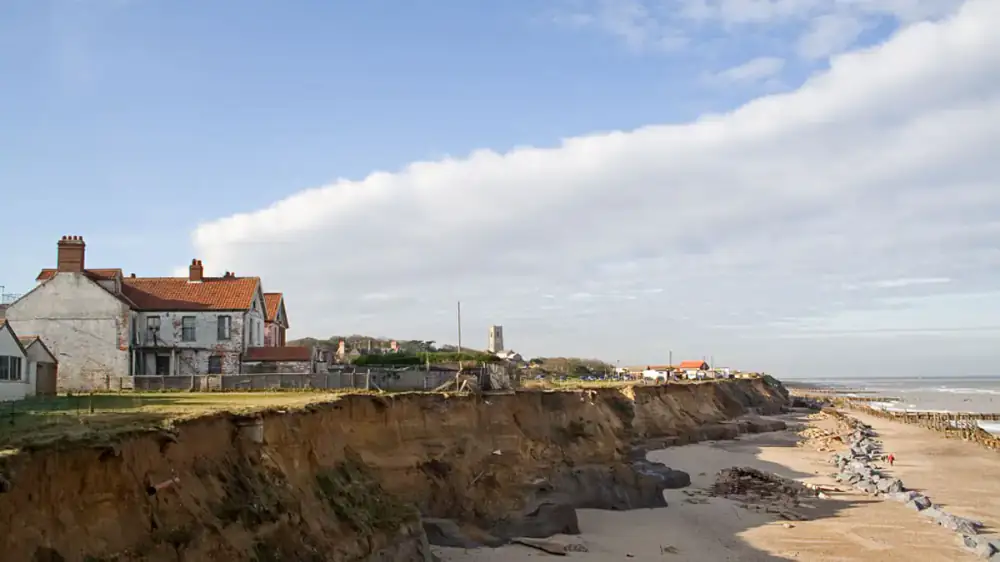
Salt air, corrosion and wind-driven rain make coastal homes their own category. Here is how to rinse, choose materials and check more often.