DIY vs Professional Gutter Guard Installation
Some gutter guards drop in from a step stool; others really belong to a pro. The right call depends on the guard type, your roof, and how comfortable you are working at height.
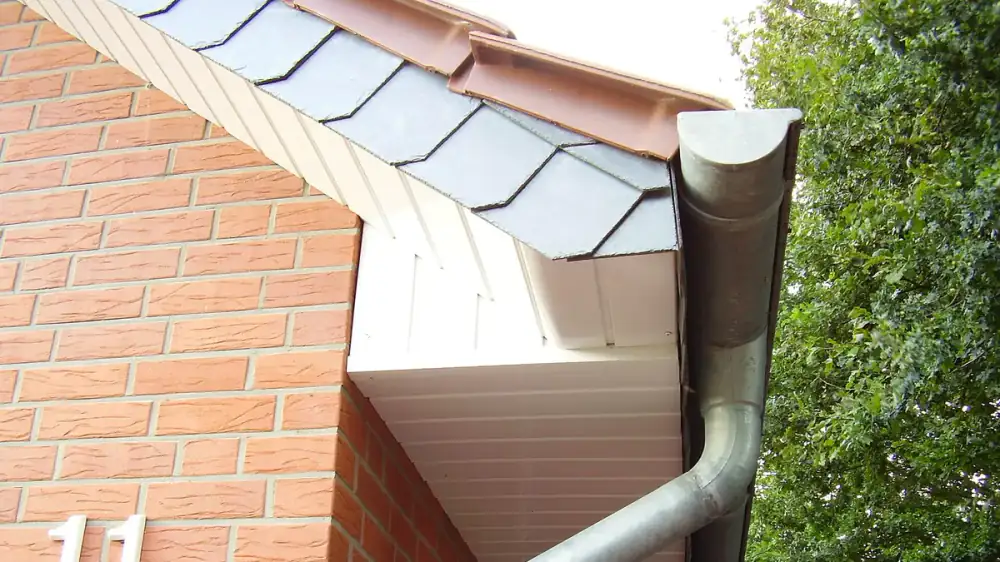
It depends on the guard and your roof. Drop-in and clip-on guards on a low, easily reached roof are reasonable do-it-yourself projects. Under-shingle, reverse-curve, high, steep or complex installs belong to a professional — for the fit, and above all for safety at height. The install itself is rarely the hard part; safe access is. If you can't set a stable ladder and reach the gutter comfortably, hire it out.
There is a version of this decision that sounds like it's about money — save a few hundred dollars by doing it yourself, or pay a crew to handle it. That framing is misleading. Fitting a gutter guard is one of the few home projects where the easy part and the dangerous part are two entirely different things, and confusing them is how people get hurt. The tool work is simple. The ladder is not.
We don't sell guards or installation, so what follows is a plain read of when each path makes sense — weighted, honestly, toward the thing that should weigh most.
Why the labor is the cheap part
For most guard types, the physical fitting is genuinely undemanding. Foam wedges into the trough. Brushes lay in. Rigid screens rest on the gutter or clip to the front lip. Mesh panels clip on and, at most, take a handful of screws. None of that calls for a tradesperson's hands.
What it does call for is reaching the gutter — safely, along the entire run, sometimes with a section balanced in one hand. That access, not the fastening, is the whole game. Our overview of how gutter guards work walks through how each type mounts, which is really a preview of how much roof-edge time you'd be signing up for.
Guard type sets the floor
The mounting method is the single strongest predictor of whether a job stays a homeowner project. Sorted roughly from friendliest to hardest:
- Foam, brush and drop-in screens. No roof contact, no fasteners into the deck. A confident homeowner on an accessible roof can handle these.
- Clip-on micro-mesh panels. They fasten to the gutter's front lip — fiddlier, but still within reach of a patient DIYer.
- Under-shingle micro-mesh. This slides beneath the first course of shingles, touches the roof, and can affect a roofing warranty. Experience helps.
- Reverse-curve systems. These often anchor into the roof and rely on exact positioning to shed water instead of overshooting it. Professional work in nearly every case.
If you're still deciding between mesh styles, our comparison of micro-mesh vs screen gutter guards covers how their mounting differs — which maps almost one-to-one onto how hard each is to fit yourself.
The two details a rushed install gets wrong
A guard only earns its keep if it's seated correctly, and two things trip up DIY jobs more than any others.
The first is slope. Gutters are pitched slightly toward the downspouts so water drains rather than pools. A guard has to follow that pitch. Forced in flat, or unevenly, it turns the trough into a shallow pond that holds water and debris exactly where it shouldn't.
The second is the edges. Gaps where panels meet, or a back edge that doesn't sit tight against the roofline, quietly invite leaves and grit underneath — undoing the entire point. Reverse-curve and surface-tension designs are the touchiest here; a panel a little out of position will let heavy rain shoot straight past the gutter.
None of this is beyond a careful person on a simple roof. But it's precise work, and precision is the first thing to slip when part of your attention is busy keeping you upright.
The test that actually decides it
Here the question stops being about dollars. Fitting guards means working along the roof edge, often leaning out to seat or fasten a panel, sometimes wrestling a long section in a breeze. Falls from ladders and roofs are among the most common serious injuries in home maintenance, and they don't announce themselves in advance.
So put the money aside and answer one thing honestly: can you set a stable ladder on level ground and reach the gutter comfortably, without leaning past your center of balance or stepping onto the roof? If yes, and the roof is low, a drop-in install is a fair weekend project. If the roof is high, steep, slick, or a second story puts you well off the ground — or if the job needs you standing on the roof at all — that's a professional's work done with a professional's fall protection. It's the same reason we don't publish step-by-step height instructions: past a certain point, the responsible answer is simply to hire it out.
Where your roof points you
Use this as a starting read, then weigh it against your own steadiness and the specifics of your home.
| Your situation | Leans DIY | Leans professional |
|---|---|---|
| Single-story, low, walkable-access roof | Yes | — |
| Two or more stories, or high roof edge | — | Yes |
| Steep or slick roof pitch | — | Yes |
| Drop-in foam, brush or screen | Yes | — |
| Clip-on micro-mesh panels | Often | If roof is high or steep |
| Under-shingle or reverse-curve system | — | Yes |
| Roof still under a warranty that limits work | — | Yes |
| Can't set a stable ladder on level ground | — | Yes |
| You're comfortable and steady at height | Supports DIY | — |
If most of your row lands in the right-hand column, you already have your answer.
When a homemade job goes quietly wrong
You won't always know an install missed the mark until the next real storm. During the following steady rain, watch the roofline and glance into the trough for a few tells: water sheeting over the front edge while the gutter behind stays dry, which points to matting or wrong pitch; debris slipping in at the seams or the back edge; panels that shift, lift or rattle in wind because they were never secured; standing water near the low points, betraying a slope problem; and — the one that undoes everything — guards fitted over a sagging or clogged gutter, where the real fault is now sealed underneath and harder to reach.
If you spot any of these and the fix means going back up a tall or steep roof, that's the moment to bring in someone with the gear for it. A pro sets fall protection, gets the pitch right the first time, and can confirm your gutters are even sound enough to guard before covering them.
Done on the right roof with the right type, a DIY guard install is a satisfying, genuinely money-saving afternoon. Done on the wrong one, it trades a large risk for a small saving. Let the guard type and — most of all — the height make the call. And whichever way you go, keep expectations grounded: no guard retires the ladder for good, as our guide to whether gutter guards eliminate cleaning makes clear.
Your questions, answered
Can I install gutter guards myself?
Often, yes — for the right type on a low, accessible roof. Drop-in screens, brushes and foam are designed to be fitted by homeowners, and clip-on mesh panels aren't much harder. The install itself is usually straightforward; the real question is whether you can reach the gutters safely. Under-shingle and reverse-curve systems, and any high or steep roof, lean strongly toward professional work.
Which gutter guards are easiest to install yourself?
Drop-in types are the simplest: foam wedges into the trough, brushes lay in, and rigid screens rest on the gutter or clip to the front lip. These need basic tools and no roof contact. Micro-mesh panels that clip to the front lip are a step up but still DIY-friendly. Systems that tuck under shingles or screw into the roof deck are the hardest and usually best left to installers.
Is professional gutter guard installation worth the cost?
It can be, especially for high or steep roofs, complex rooflines, or systems that fasten to the roof. A pro brings fall-protection equipment, gets the fit and pitch right, and — for some products — is required to keep a warranty valid. On a single-story home with drop-in guards, the DIY savings are real and the risk is low. The value depends on your roof and the guard type.
What makes gutter guard installation risky to do yourself?
Height is the main hazard. Working from a ladder along the roof edge, reaching to fasten panels, and handling long sections all raise the risk of a fall — and falls from height cause serious injury. Steep or slick roofs, second stories, uneven ground and any need to step onto the roof turn a simple job into a dangerous one. When access isn't safe, hire it out.
Does a poor DIY install cause problems later?
It can. Guards that aren't seated to the gutter's pitch, panels with gaps at the seams, or mesh that isn't secured can let debris in or send water sheeting over the edge in heavy rain. A guard installed on a sagging or clogged gutter also just hides the problem. Getting the fit and slope right — or having a pro do it — is what makes the system actually work.
When should I definitely hire a professional?
Hire a pro when the roof is high, steep or complex, when a second story puts safe ladder work out of reach, when the guard fastens under shingles or into the deck, and when a roofing warranty requires certified installation. Also hire out if you can't set a stable ladder on level ground. No amount of savings is worth a fall from a roof edge.
You might also like
Common Gutter Guard Problems
Guards solve some problems and create others. Here are the most common gutter guard issues — overflow, surface debris, ice, poor fit — and how to spot them.
Micro-Mesh vs Screen Gutter Guards
Both block leaves, but only one stops fine grit and pine needles. Here's how micro-mesh and screen guards compare on debris, upkeep and fit.
Do Gutter Guards Eliminate Cleaning?
The honest answer is no. Guards cut how often you clean, not the need entirely. Here's what still gets in and why checks still matter.