Gutter Guards and Solar Panels
Rooftop solar changes how water and debris move off your roof — and that affects which gutter guard makes sense and where it needs the most attention.
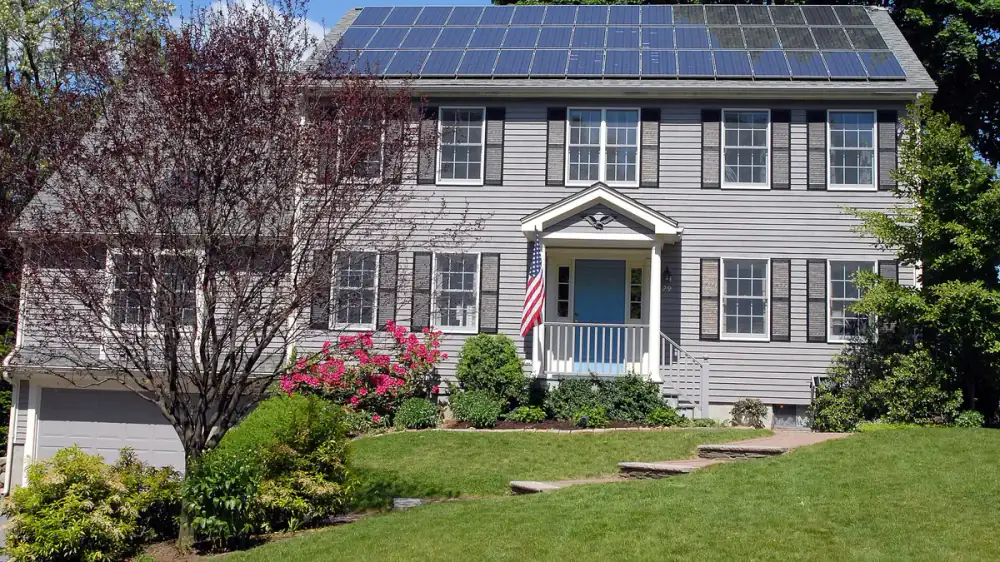
Rooftop solar doesn't stop you from using gutter guards, but it changes the job. Panels concentrate runoff and debris into channels between and below the array, so certain gutter sections take more water and more grit than before. Choose a guard that handles high flow without overshooting, pay extra attention to the runs beneath the array, and remember a guard protects the trough — not the roof surface under the panels, which still needs its own care.
Panels and gutter guards get chosen years apart, by different logic, and usually without a thought for each other. Then they end up on the same roof and turn out to be linked in ways most homeowners never anticipated. The moment an array goes up, water and debris stop coming off the slope in an even sheet. They get funneled, sheltered and slowed — and that reshapes where your gutters work hardest, which in turn shapes what guard suits the house and where it needs watching.
We don't sell guards or panels, so this is a practical look at how the two systems push on each other and what a sensible guard choice looks like once solar is in the picture.
How an array redraws the roof's water map
A bare roof sheds rain in a broad, fairly even sheet from ridge to eave. An array breaks that pattern. Panels sit slightly proud of the roof on rails, so rain runs off their lower edges and drips into the gap beneath, while more water travels down the channels between rows and modules. Instead of spreading out, the flow gathers into streams.
The consequence is that runoff reaches the gutter unevenly. Some sections below the array take a fast, concentrated flow; others stay comparatively dry. In a downpour those concentrated streams can hit the trough hard enough to overshoot a guard that isn't pitched to catch them — the same difficulty a steep roof creates, sharpened by the array. Knowing which sections carry the load is the first thing the solar layout tells you about your gutters.
The shelf under the panels
The gap beneath the modules behaves like a sheltered shelf. Windblown leaves, pine needles, seed pods and grit drift in and settle there, out of reach of the rain that would otherwise rinse them off the roof. Shade and trapped moisture under the array can also encourage moss, algae and slow organic buildup over time.
The panels don't manufacture any of this — but they change where it lands and how it moves. Eventually much of it washes toward the gutter, and it tends to arrive at the same concentrated points where the runoff funnels. So a gutter run directly below an array often sees both more water and more debris than it did before solar went on. That's the combination a guard on a solar roof has to be chosen for.
Choosing for concentrated flow
Given fast, funneled water and shifted debris, some guard types cope better than others below an array:
- Micro-mesh, well-pitched, handles both the fine grit washing out from under the panels and the higher flow at concentration points — as long as the surface is kept clear. See micro-mesh vs screen gutter guards for the trade-offs.
- Sturdy screens shed leaves well and rarely overshoot, but let finer material through — a real concern when a lot of grit is coming off the roof.
- Surface-tension and reverse-curve designs rely on water hugging a curved lip, and a concentrated stream off a panel edge can break that adhesion and overshoot, so pitch and placement matter more than usual.
The right choice still starts with your trees, as it always does — the array shifts the problem, it doesn't replace it. Our guide to how gutter guards work explains why matching the guard to your debris is the foundation of any good decision, and if you're weighing the upgrade as a whole, see whether gutter guards are worth it for your home.
| Change from the array | Effect on the gutter | What it means for the guard |
|---|---|---|
| Water funnels off panel edges | Concentrated flow at set points | Needs good pitch to avoid overshoot |
| Gap under panels traps debris | Grit and leaves wash out over time | Favors finer mesh on those runs |
| Shade and trapped moisture | Moss and organic buildup | More frequent checks below the array |
| Uneven shedding across the slope | Some runs load faster than others | Focus upkeep on the busy sections |
One boundary is worth stating plainly: a guard protects the trough, not the roof surface. Debris that gathers under the panels still has to be dealt with up on the roof — the guard only keeps the runoff carrying it from clogging the gutter below. It's a genuine benefit, but not a substitute for tending the array itself.
Reading your roof after a storm
The best diagnostic for a solar roof is free: watch how water comes off the array during and after a heavy rain. Because the panels concentrate flow at specific points, that's where trouble shows first — and a few ground-level signs tell you the array is loading your gutters unevenly. Look for overflow at particular spots below the panels while other sections stay clear, streaking or staining on the fascia directly under the array, debris packed at one end of a run rather than spread along it, moss or dark buildup on the roof around the array, and water pooling near the foundation below the downspout that serves the panel section.
The mistakes to sidestep follow from all this. Don't assume the panels handle drainage — they redirect it, and the gutter below often works harder, not less. Don't treat the guard as roof maintenance. Don't spread your attention evenly along the eave when the array clearly loads certain runs more. Don't fit a low-flow design under a fast panel-edge stream, which will spill exactly where you least want it. And don't have guard work done near panel mounts, flashing or eave-level wiring without a careful eye — those spots are where an install can do damage.
That last point is also where safety and coordination meet. Both jobs — servicing the array and tending the gutters — mean working at height with safe roof access, and the runs that concentrate runoff are often the high or steep ones. It's worth bringing in a professional when you're adding or replacing guards on a roof that already carries panels, when the concentration points sit high or on a steep pitch, or when guard work would happen near mounts and conduit. A pro can confirm the gutters are sound, choose a guard suited to the concentrated flow, and coordinate so the guard and the array don't interfere. Because both involve the same access, having the panels and gutters assessed and serviced in a single visit is usually more efficient — and clearing debris from around the array at the same time reduces what reaches the gutter in the first place.
Solar and gutter guards live together comfortably. The trick is recognizing that the array reshapes how water and debris arrive at your gutters — match the guard to that new pattern, keep an eye on the runs below the panels, and remember a guard shrinks trough cleaning without ever ending the upkeep the roof itself still needs.
Questions people also ask
Do solar panels change how gutter guards should be chosen?
They can. Panels concentrate runoff into channels between and below the array, so water often hits certain gutter sections harder and faster. That favors a guard that handles high flow without overshooting — a well-pitched micro-mesh or a sturdy screen — over designs that struggle when water sheets off fast. The debris that collects under panels also matters, so match the guard to what your trees drop.
Does rooftop solar create more debris in gutters?
Indirectly, yes. The gap under panels traps windblown leaves, needles and grit, and shade plus moisture there can encourage moss and organic buildup. Some of that eventually washes toward the gutter. Panels don't generate debris themselves, but they change where it lands and how it moves, which can load particular gutter runs more than before.
Can you install gutter guards if you already have solar panels?
Usually yes. Most guards install on the gutter and the roof edge below the array, so panels higher up the slope rarely block the work. The exception is under-shingle micro-mesh near the panel mounts or where wiring runs along the eave — those spots need care. It's often best to have the guard and the array assessed together so nothing interferes.
Do gutter guards help with debris under solar panels?
Not directly. A gutter guard protects the trough, not the roof surface or the space beneath the panels. Debris that gathers under the array still needs to be addressed on the roof. What a guard does is keep the runoff that carries that debris toward the gutter from clogging the trough — a real benefit, but not a substitute for tending the roof itself.
Does solar affect where gutters overflow?
It can. Because panels channel water into gaps and off their lower edges, flow concentrates at specific points rather than spreading evenly along the eave. Those points are where overflow shows up first if a guard's surface mats or the trough is undersized. Watching how water comes off your array after a storm tells you which gutter sections need the most attention.
Should you clean solar panels and gutters at the same time?
Combining the two visits often makes sense, since both involve safe roof access. Clearing debris from around and under the array reduces what eventually reaches the gutter, and checking the guard at the same time keeps the whole system working together. Coordinating the work — ideally with professionals who handle both — is more efficient than treating them as separate chores.
More from this section
Common Gutter Guard Problems
Guards solve some problems and create others. Here are the most common gutter guard issues — overflow, surface debris, ice, poor fit — and how to spot them.
Micro-Mesh vs Screen Gutter Guards
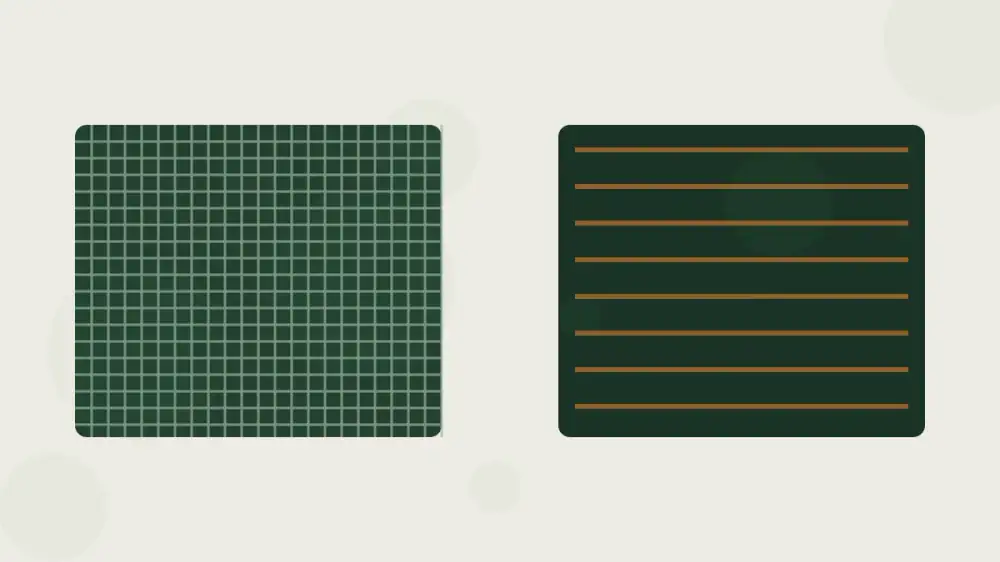
Both block leaves, but only one stops fine grit and pine needles. Here's how micro-mesh and screen guards compare on debris, upkeep and fit.
Do Gutter Guards Eliminate Cleaning?
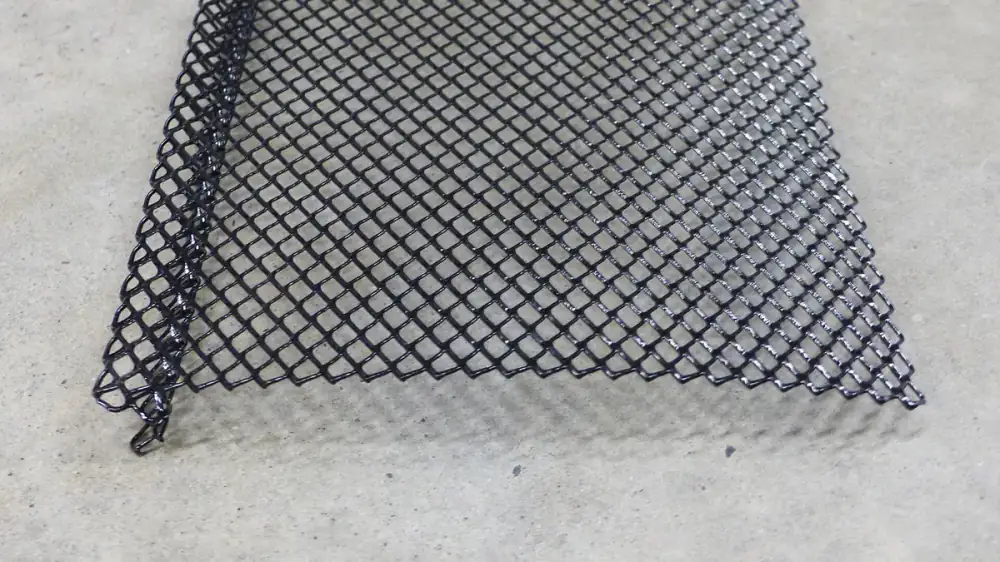
The honest answer is no. Guards cut how often you clean, not the need entirely. Here's what still gets in and why checks still matter.