Gutter Guards and Your Roof Warranty
Some gutter guards fasten under your shingles or into the roof deck — and that can brush up against the terms of your roofing warranty. Here's what to check before you install.
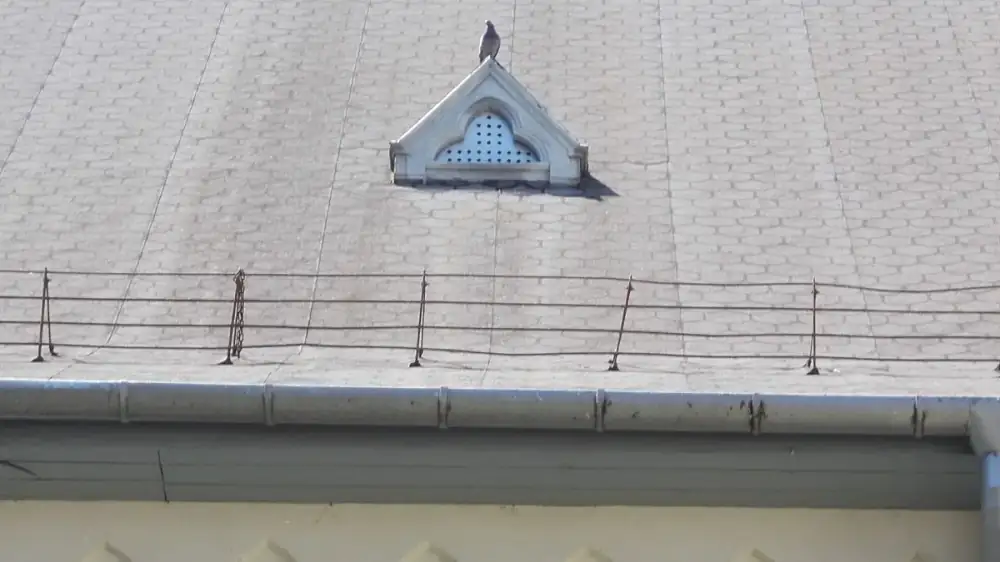
Some gutter guards can affect a roofing warranty, but many don't. The ones to watch are guards that fasten under the first course of shingles or screw into the roof deck — those alter the roof and may conflict with a manufacturer's or installer's terms. Guards that rest in the gutter or clip to the front lip usually leave the roof untouched. Before installing anything, read your specific warranty and ask the manufacturer or your roofer.
There's one question that settles almost everything about gutter guards and your roof warranty, and you can answer it before you read a single line of legal fine print: does the guard touch the roof? Most homeowners file gutter guards under "gutter decision," and for many products that's exactly right — they sit in the trough and never go near the shingles. But a handful of designs reach up and attach to the roof itself, tucking under the first course of shingles or fastening into the deck. The instant a guard does that, a gutter project has quietly become a roof project, and roof projects are what warranties have opinions about.
We don't sell guards, so this is a plain, cautious walk-through of how installs interact with roofing coverage, which types raise questions, and what to confirm before anyone fastens anything. The honest framing up front: this deserves a five-minute check, not a panic.
The dividing line: does the guard touch the roof?
Guards attach in a few distinct ways, and only some of them involve the roof at all:
- Inside the trough. Screens, brushes and foam simply drop into the gutter. No contact with the roof.
- Clipped to the front lip. Many mesh and micro-mesh panels clip or screw to the gutter's front edge and rest on the back wall or hangers. Still no roof contact.
- Under the shingles. Some micro-mesh systems slide their back edge up beneath the first course of shingles, which lifts — and in some designs refastens — those shingles.
- Into the roof deck. Certain reverse-curve and rigid systems anchor with screws that pass through the shingles into the wood deck beneath.
Those first two groups sit entirely on the gutter side of the line and rarely raise a question. The last two cross it. Anything that lifts shingles, drives fasteners through them, or penetrates the deck is, in plain terms, an alteration to the roof. To understand how each design mounts, our overview of how gutter guards work is a good starting point.
Two warranties, two ways to run afoul
A roof usually carries two separate protections, and a roof-touching guard can brush against either. The manufacturer's material warranty covers the shingles themselves against defects, and many of these documents include language about unauthorized alterations, added penetrations, or work performed by non-certified installers. The contractor's workmanship warranty covers the quality of the original installation, and if a third party lifts shingles or drives fasteners near the roof edge, that contractor may later argue any leak isn't their responsibility.
Neither of these means a guard will void your coverage. It means the terms decide — and the terms vary by manufacturer, by contractor and by product. The only reliable way to know where you stand is to read the ones that apply to your roof.
How the common styles rank
| Guard style | Roof contact | Warranty concern |
|---|---|---|
| Drop-in screen, brush or foam | None | Low |
| Mesh clipped to the front lip | None | Low |
| Micro-mesh tucked under shingles | Lifts first shingle course | Moderate to high |
| Screwed into the roof deck | Penetrates shingles and deck | Moderate to high |
| Reverse-curve fastened to the roof | Often anchors to the deck | Moderate to high |
Treat this as a general map, not a verdict on any specific product — always check against your own guard and paperwork. If you're weighing a mesh system in particular, our comparison of micro-mesh vs screen gutter guards explains how the mounting differs between them, which is exactly the detail that decides where you land on this table.
A short pre-install check
Four steps, in order, keep a good idea from turning into a denied claim.
Read the actual documents
Track down both the shingle manufacturer's warranty and the paperwork from whoever installed the roof. Read the sections on alterations, added penetrations, roof-edge work and third-party contractors, and note anything that mentions voiding coverage.
Line the install up against the terms
Now look at how your chosen guard attaches. If it never touches the roof, you're almost certainly clear. If it tucks under shingles or screws into the deck, compare that method directly against the warranty language you just read.
Get the answer in writing
If any doubt remains, contact the shingle manufacturer or your roofing contractor and ask outright whether a specific install affects your coverage. Get the reply in writing and keep it — a short email now is far cheaper than a rejected claim later. A sales pitch of "it won't affect your warranty" is not the same thing as confirmation from the party who actually holds the coverage.
Decide who fastens what
Some manufacturers require that anything touching the roof be done by a certified installer. If your guard fastens to the roof, using an approved roofer can be what keeps the coverage intact. A guard that never reaches the roof usually sidesteps the question entirely.
If guards are already on the house
Sometimes the install predates you — fitted by a previous owner, with no paperwork to consult. In that case the roof edge itself is the evidence. From the ground and from the attic, watch for new leaks or water stains on the ceiling near an exterior wall after guards went in; lifted, curled or loose shingles along the first course above the gutters; visible screw heads or fasteners through the shingles at the roof edge; granule loss or cracking concentrated where a guard was pried under the shingles; and a guard that has pulled shingles up rather than sitting flush beneath them. Any one of these is reason enough to have a roofer look before the next heavy rain.
A parallel caution applies to condition before any new install: guards belong over sound roofs and sound gutters. Forcing a system onto worn or damaged shingles invites leaks that no warranty will cover, regardless of how the guard attaches.
The height factor is why this is often a professional's job rather than a weekend one. Inspecting the first shingle course, judging whether fasteners have compromised the edge, or fitting a roof-anchored system all mean working at the eave, and reverse-curve and under-shingle micro-mesh systems in particular are best left to pros who understand both the guard and the roof beneath it. Bring one in whenever a guard fastens under your shingles or into the deck, whenever the roof is still under an active material or workmanship warranty, and whenever the paperwork isn't clear enough for you to judge the install yourself.
The bottom line is genuinely simple: a gutter guard that never touches your roof rarely raises a warranty question, and one that does deserves a careful read of your terms and a direct question before installation. Ask first, install second — and both your gutters and your roof coverage keep working as intended. If you're still weighing the decision overall, our balanced look at whether gutter guards are worth it sets the warranty question alongside the rest of the trade-offs.
Answers to common questions
Can installing gutter guards void my roof warranty?
It can, depending on how the guard attaches and what your warranty says. Guards that lift or fasten under the first course of shingles, or that screw into the roof deck, are the ones most likely to conflict with a manufacturer's or installer's terms. Drop-in guards that rest in the gutter and clip to the front lip generally don't touch the roof at all. Always read your specific warranty and ask before installing.
Which gutter guard types are most likely to affect a roof warranty?
Systems that anchor under the shingles or into the roof deck raise the most questions — that includes some under-shingle micro-mesh installs and many reverse-curve designs. Guards that clip to the gutter's front lip or rest inside the trough usually leave the roof untouched, so they're far less likely to be an issue.
How do I find out what my roof warranty allows?
Locate your warranty paperwork — from the shingle manufacturer and from the contractor who installed the roof — and read the sections on alterations, penetrations and third-party work. If the language is unclear, contact the manufacturer or installer directly and ask, in writing, whether a given guard install affects coverage. Keep their answer for your records.
Does a roofer need to install my gutter guards to protect the warranty?
Sometimes. Some manufacturers require that any work touching the roof be done by a certified installer to keep coverage intact. If your chosen guard fastens under shingles or into the deck, using an approved roofing contractor can be the safer path. A guard that doesn't touch the roof usually avoids this question entirely.
Are drop-in gutter guards safe for my roof warranty?
Generally yes, because they don't interact with the roof. Screens, brushes and foam that sit inside the trough, and mesh panels that clip to the gutter's front lip, leave the shingles and deck alone. That's not a guarantee for every product, so it's still worth confirming, but these designs rarely raise warranty concerns.
When should I involve a professional before installing guards?
Bring in a professional whenever a guard fastens under shingles or into the deck, when your roof is still under an active manufacturer or workmanship warranty, or when you can't tell from the paperwork whether an install is allowed. A qualified roofer or the manufacturer can confirm what keeps your coverage intact before anything is fastened.
Keep reading

Common Gutter Guard Problems
Guards solve some problems and create others. Here are the most common gutter guard issues — overflow, surface debris, ice, poor fit — and how to spot them.

Micro-Mesh vs Screen Gutter Guards
Both block leaves, but only one stops fine grit and pine needles. Here's how micro-mesh and screen guards compare on debris, upkeep and fit.
Do Gutter Guards Eliminate Cleaning?
The honest answer is no. Guards cut how often you clean, not the need entirely. Here's what still gets in and why checks still matter.